Research peptides vs SARMs vs performance compounds: what the evidence actually supports
Three very different bodies of evidence, compared on what was measured and in whom — including the trials that failed, and the compounds on this site that have never been in a human study at all.
1 October 2026
Get this checklist by email
One email when a new hub goes up. Research use only; nothing else, and one click to leave.
Three shelves on this site, three entirely different bodies of evidence, and almost nobody selling any of them tells you which is which. This page is the comparison, in the only terms that mean anything: what was measured, in whom, and what came out.
The classes, and what stands behind each
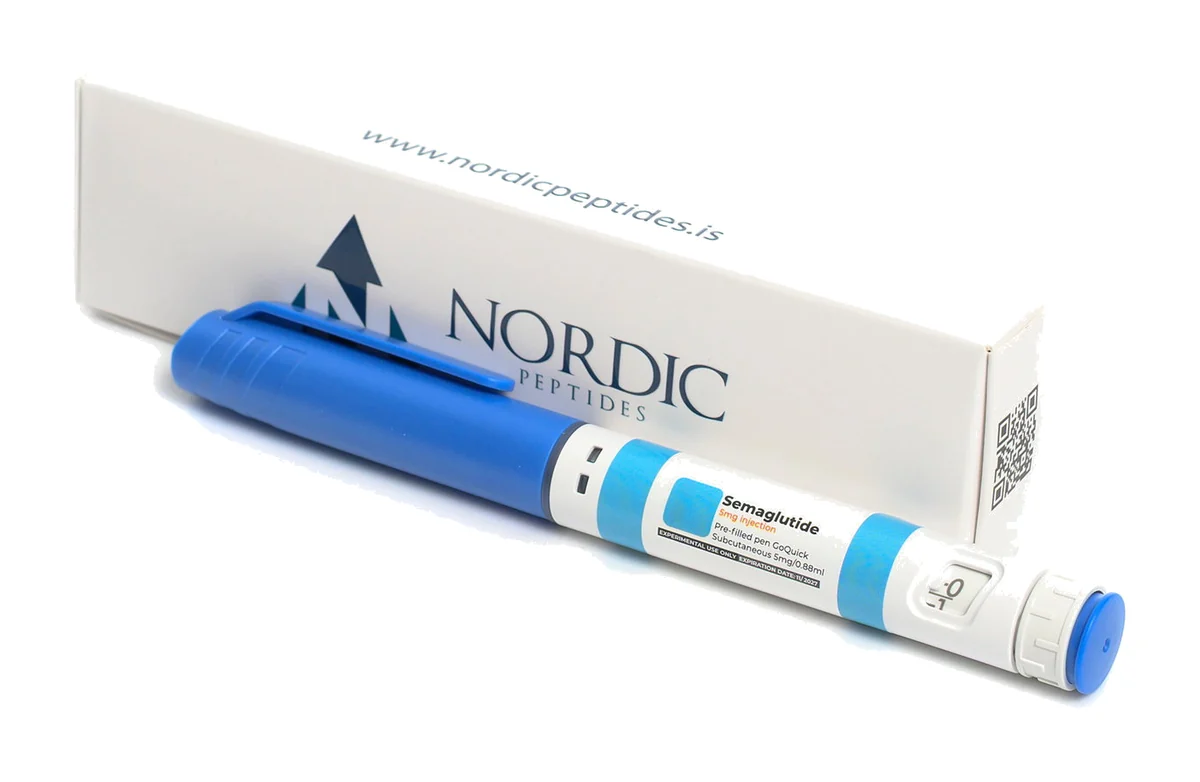
Prescription peptides. Semaglutide, tirzepatide and tesamorelin are approved medicines with marketing authorisations, patient leaflets and prescribing information. The STEP 2 phase 3 trial randomised 1,210 adults with overweight or obesity and type 2 diabetes across 149 clinics in 12 countries to semaglutide 2.4 mg, semaglutide 1.0 mg or placebo once weekly for 68 weeks. Mean body weight changed −9.6% on 2.4 mg against −3.4% on placebo, a treatment difference of −6.2 percentage points (95% CI −7.3 to −5.2; p<0.0001); 68.8% of the 2.4 mg arm lost at least 5% of body weight against 28.5% on placebo. Gastrointestinal adverse events were reported in 63.5% of the 2.4 mg arm against 34.3% on placebo — the effectiveness figure and the tolerability figure are the same trial, and a page that prints only the first is not telling you the truth.
That is what a developed evidence base looks like. It also means the material sold here as research compound is not a licensed product, and we do not present it as one.
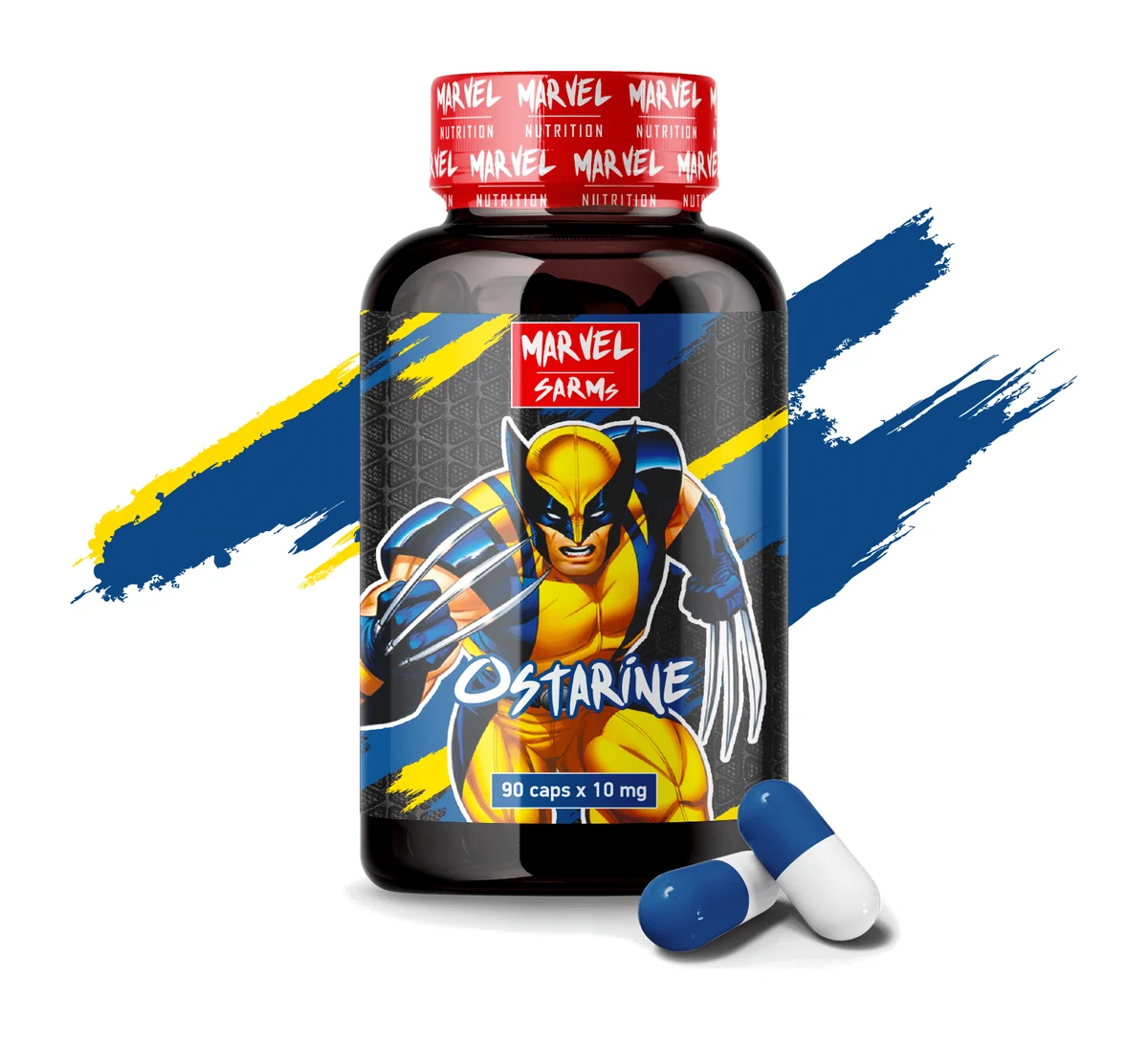
SARMs. Enobosarm (ostarine) has gone further through development than any other SARM, and this is where the honest answer is uncomfortable. GTx ran POWER 1 and POWER 2: two identically designed randomised, double-blind, placebo-controlled, multicentre phase 3 trials, each giving 300 patients placebo or enobosarm 3 mg daily for 147 days, with co-primary endpoints of stair-climb power and lean body mass assessed by DXA at day 84, after the FDA required a responder analysis. Neither trial met its primary endpoint. The compound was never approved anywhere.
The most recent enobosarm publication is a 2024 phase 2 in advanced ER-positive, HER2-negative, AR-positive breast cancer at 35 centres in nine countries: of 102 evaluable patients, clinical benefit at 24 weeks was 32% (95% CI 20–47) at 9 mg and 29% (95% CI 17–43) at 18 mg, with grade 3 or 4 drug-related adverse events in 8% and 16% of patients respectively. That is a real result and it is an oncology result. It is not a body-composition result.
“Clinically studied” and “clinically approved” are different sentences. Only one of them appears on a label.
Growth-hormone secretagogues. Ipamorelin, CJC-1295 and GHRP-6 have no phase 3 programme in healthy adults. What exists is hormonal-marker work in small and short studies. A growth hormone reading moving is a laboratory observation; whether that is worth anything to a person is a question the research has not answered, and the honest position is that it has not been asked at that scale.
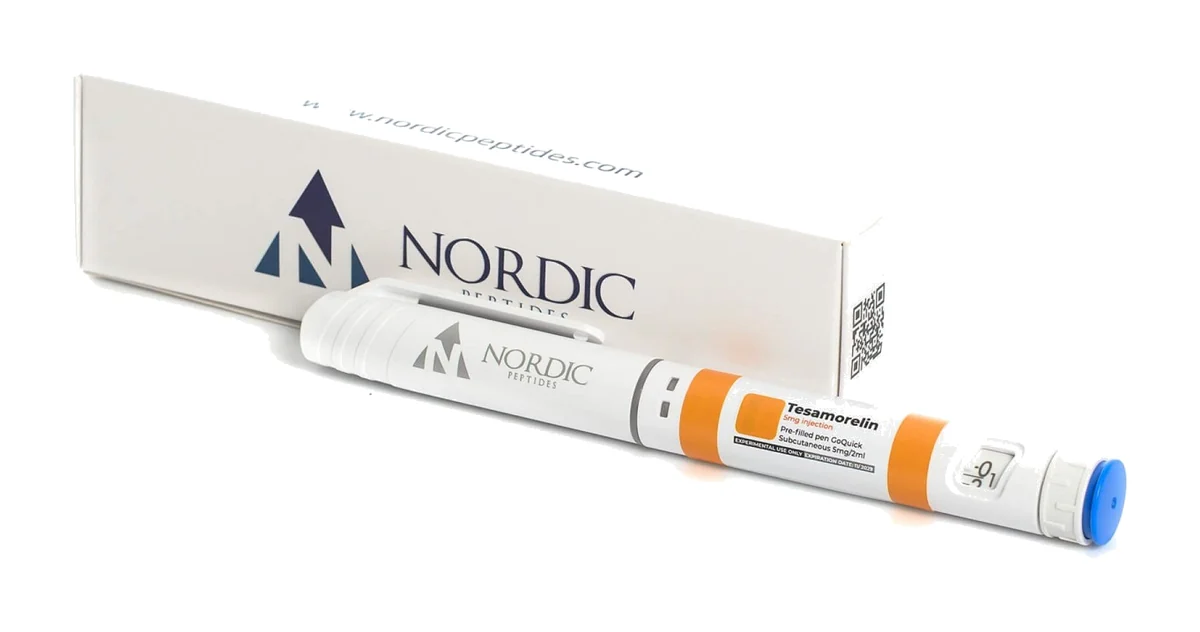
The nearest comparison on this shelf is tesamorelin, which is approved: a randomised placebo-controlled trial in HIV-infected patients with abdominal fat accumulation, with a safety extension, is the reason the compound exists as a medicine and not as research material.
Repair and cosmetic peptides. BPC-157, TB-500, GHK-Cu and Melanotan II have no human trials of the outcomes people buy them for. The literature is rodent tendon, bone and dermal studies, mostly from the 2010s. That evidence is not nothing — it is what mechanistic biology looks like before it becomes a medicine, and some of it is careful work. It is also not evidence in a person, and any label implying otherwise is misleading in a way the reader cannot detect.
What we will not do with this
We do not rank these classes by how good they are for a person, because that ranking would be an invented number. We do not say one is safer. We do not print a dose. We do not write a protocol, and we do not attach an effect claim of our own to a product page — the description you see is the manufacturer’s, published as written, and where the marketing and the literature disagree, the research desk is where that disagreement gets stated.
The measurement side of this — what a purity figure does and does not tell you — is covered separately, because a perfectly made compound and a claim about what it does are two separate questions and this market constantly runs them together.
⚠ Everything sold here is for in-vitro laboratory research only. Not for human or veterinary use. Nothing on this page is medical advice.
What has been measured in humans, by class
| What | Phase 3 or later, in humans | What the trials actually measured | Where it stands | What it means for you |
|---|---|---|---|---|
| Prescription peptides (semaglutide, tirzepatide, tesamorelin) | Yes, and approved by the FDA for named indications | Bodyweight and body composition against placebo over 68 weeks; HIV lipodystrophy fat distribution | A drug with a marketing authorisation and a patient leaflet | These are medicines. The material sold as research compound is not the licensed product, but the molecule is the same one the trials measured. |
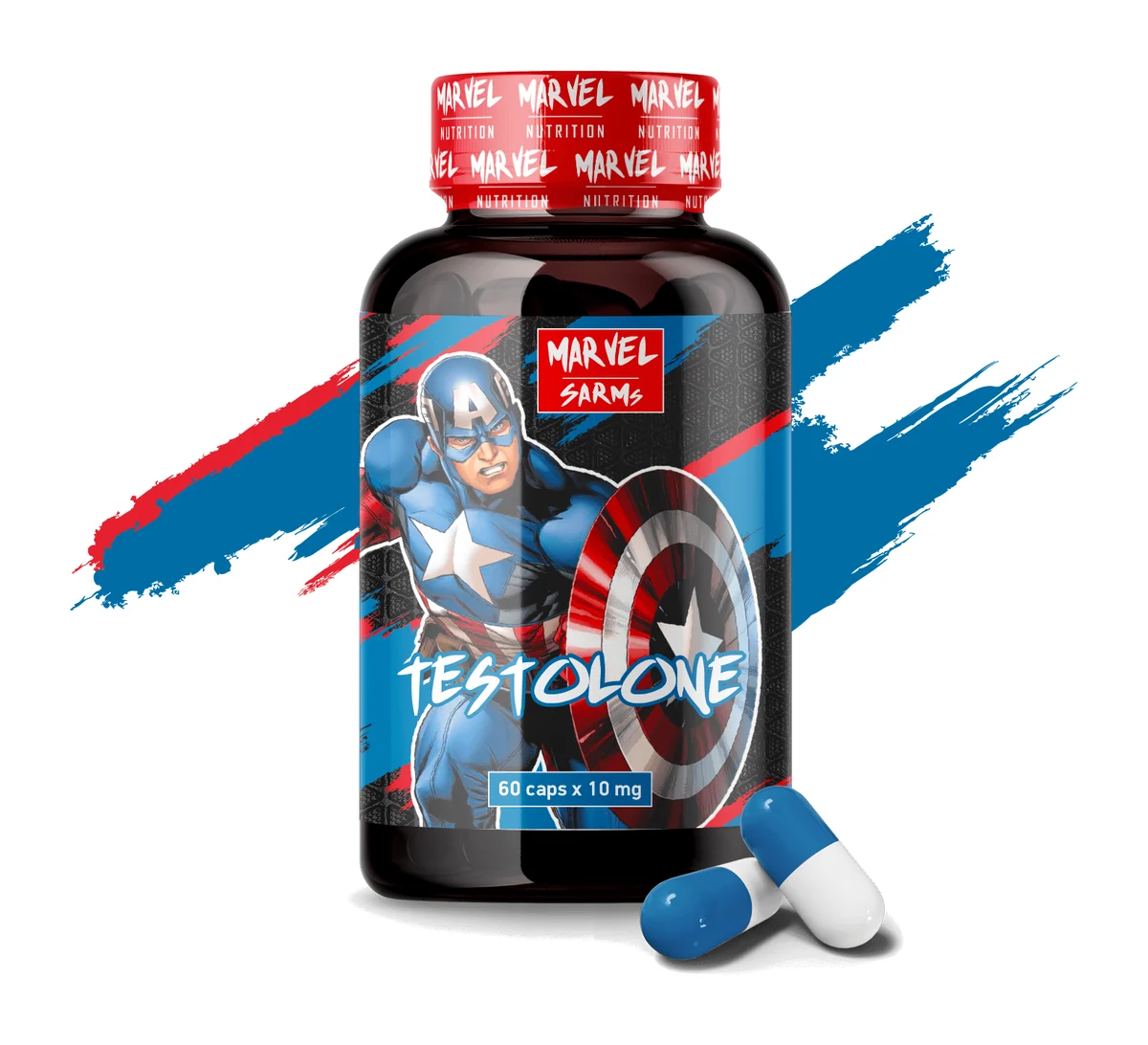
| SARMs (ostarine, ligandrol, testolone, cardarine) | One phase 3 programme exists; it did not reach its endpoint | Stair-climb power and lean body mass in cancer patients starting chemotherapy, for 147 days | Not approved anywhere. The approval pathway was attempted and abandoned. | The word "clinical" attached to a SARM is usually about a trial that read out negative. That is not a marketing point — it is the honest summary. |
| Growth-hormone secretagogues (ipamorelin, CJC-1295, GHRP-6) | No phase 3 programme for these compounds in healthy adults | Hormonal markers in small and short studies | No approval. Sold as research material. | A hormone marker moving is a laboratory observation, not a demonstrated outcome. |
| Repair and cosmetic peptides (BPC-157, TB-500, GHK-Cu, Melanotan II) | None | Rodent tendon, bone and dermal studies, mostly in the 2010s | No approval. No human trial of the outcome people buy them for. | The evidence that exists is evidence in animals. It is not nothing; it is not evidence in a person. |
Questions this page answers
Is a research peptide safer than a SARM?
That question has no answer, and anybody who gives you one is selling. Safety is a property of a dose in a person over time, and neither of these classes has a body of data that supports a comparison. What can be compared is how far each has been through development — and there the answer is unambiguous: some peptides have been approved as medicines, and no SARM has been approved anywhere.
Does "phase 3" on a label mean the compound works?
No. It means a phase 3 trial was run. Enobosarm, the SARM with the furthest programme, went through two identically designed randomised, double-blind, placebo-controlled phase 3 trials (POWER 1 and 2) designed to hit stair-climb power and lean body mass in cancer patients, and neither read out at its primary endpoint. The only enobosarm phase 2 to publish in 2024 was in advanced breast cancer and reported clinical benefit in 32% and 29% of evaluable patients at two doses — an oncology result, not a bodybuilding one.
Why do shops sell a compound whose trials failed?
Because "clinically studied" and "clinically approved" are different sentences, and only one of them is printed on a label. A compound that went through phase 3 and missed is genuinely more characterised chemically than one that has never been in a human — the failure is public data. What it is not is evidence of the effect the marketing implies.
What does this shop do with this distinction?
We publish the manufacturer's own description on each product page, verbatim, and we do not add a claim of our own to it. Where the literature says something different from the marketing, the research desk says so — see SARMs: the phase 3 exists, and it missed its endpoints. We do not write dosing protocols and we do not state that any of this is safe for a person to take.
Sources
- Palmieri C, Linden H, Birrell SN, et al. Activity and safety of enobosarm in advanced breast cancer (G200802): a randomised, open-label, multicentre, multinational, parallel design, phase 2 trial. Lancet Oncol. 2024 Mar;25(3):317-325. (PMID 38342115)
- Crawford J, Prado CMM, Johnston MA, et al. Study Design and Rationale for the Phase 3 Clinical Development Program of Enobosarm ... (POWER Trials). Curr Oncol Rep. 2016 Jun;18(6):37. (PMID 27138015)
- Davies M, Færch L, Jeppesen OK, et al. Semaglutide 2·4 mg once a week in adults with overweight or obesity, and type 2 diabetes (STEP 2): a randomised, double-blind, double-dummy, placebo-controlled, phase 3 trial. Lancet. 2021 Mar 13;397(10278):971-984. (PMID 33667417)
- Falutz J, Potvin D, Mamputu JC, et al. Effects of tesamorelin, a growth hormone-releasing factor, in HIV-infected patients with abdominal fat accumulation: a randomized placebo-controlled trial with a safety extension. J Acquir Immune Defic Syndr. 2010 Mar;53(3):311-22. (PMID 20101189)
- WADA Prohibited List — the authoritative, annually updated list of substances prohibited in sport, with the classes peptide and hormone-based methods fall into.