Fat loss.
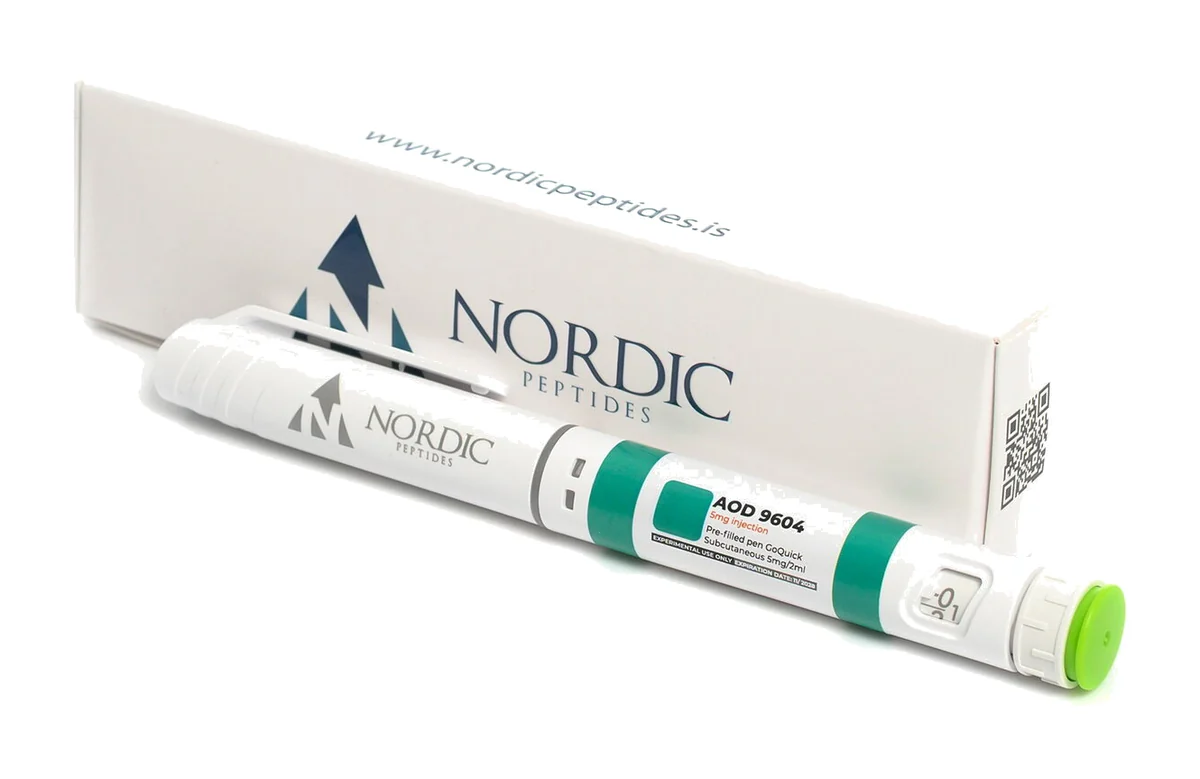
The GLP-1 shelf and everything around it: semaglutide, tirzepatide and retatrutide in pre-filled pens, alongside tesamorelin, AOD9604, tesofensine and the metabolic blends. It is the most heavily studied group in this catalog, and our research desk covers the trials behind each compound rather than summarising the marketing.
Sources checked 30 September 2026 · evidence graded from the abstracts cited on this page
Evidence, claim by claim
Every claim this category is sold on, next to the study that does or does not support it. A row graded “none” means no supporting source was found, and it is left in.
Grade: human RCT · small human · animal · in vitro · none (no source found)
| Claim | Source | Grade | What was actually measured |
|---|---|---|---|
| Semaglutide produces double-digit weight loss | N Engl J Med 2021 · PMID 33567185 | human RCT | Mean body weight −14.9% against −2.4% on placebo at 68 weeks (difference −12.4 points, P < 0.001, n=1 961, plus lifestyle intervention). Discontinuation owing to gastrointestinal events: 4.5% against 0.8%. |
| Tirzepatide produces more weight loss than semaglutide | N Engl J Med 2022 · PMID 35658024 | human RCT | −15.0%, −19.5% and −20.9% across the three dose levels against −3.1% on placebo at 72 weeks (all P < 0.001, n=2 539, mean BMI 38.0). Adverse-event discontinuation 4.3%–7.1% against 2.6%. |
| Retatrutide is the strongest weight-loss peptide on the shelf | N Engl J Med 2023 · PMID 37366315 | human RCT | −8.7% to −24.2% across dose levels against −2.1% on placebo at 48 weeks — but a phase 2 trial in 338 adults, not phase 3, with no long-term outcome data. |
| Tesamorelin reduces visceral fat | Clin Infect Dis 2012 · PMID 22495074 | human RCT | Responders (≥8% visceral adipose tissue reduction at 26 weeks) showed lower triglycerides and attenuated rises in fasting glucose and HbA1c against non-responders, in 402 subjects with HIV-associated abdominal fat. Not a body-weight endpoint. |
| These trial results carry over to a research pen | — | none | Not tested. Every trial above used pharmaceutical-grade product, administered under protocol, with a 20-week dose-escalation period where one was specified. |
| Weighing less on these peptides means better cardiovascular outcomes | — | none | Not measured. None of these four papers reports cardiovascular events, mortality or any clinical outcome as a primary result — weight is a surrogate endpoint. |
This is the most price-aware query in the peptide category, and it happens to be the one with the best evidence base attached to it. All four molecules below have randomised controlled trials behind them, and three of them have their headline numbers printed in abstracts of the New England Journal of Medicine. That is genuinely rare in this field. It is also exactly where the risk sits, because the numbers are large enough that a careless sentence turns a trial into a promise. None of these trials tested a product bought for research. Every one of them tested pharmaceutical-grade, protocol-managed product in a clinical setting, and the distance between those two things is the whole subject of this page.
What the literature shows
PMID 33567185 — A double-blind trial in 1 961 adults with a body-mass index of 30 or higher, or 27 or higher with at least one weight-related condition, none of whom had diabetes. Both arms received lifestyle intervention. Funded by the manufacturer. Sixty-eight weeks of treatment. The coprimary endpoints were percentage change in body weight and weight reduction of at least 5%.
Mean change in body weight from baseline to week 68 was −14.9% on semaglutide against −2.4% on placebo, a treatment difference of −12.4 percentage points (95% CI −13.4 to −11.5, P < 0.001), or −15.3 kg against −2.6 kg. Weight reduction of 5% or more: 86.4% against 31.5%. Of 10% or more: 69.1% against 12.0%. Of 15% or more: 50.5% against 4.9%. Nausea and diarrhoea were the most common adverse events, typically transient and mild to moderate. Discontinuation owing to gastrointestinal events was 4.5% against 0.8%.
PMID 35658024 — A phase 3 double-blind trial in 2 539 adults with obesity, excluding diabetes, over 72 weeks including a 20-week dose-escalation period. Baseline mean weight was 104.8 kg and mean BMI 38.0, with 94.5% of participants at a BMI of 30 or above. Read the population size and the mean BMI together — this is a trial cohort, not a shopper.
Mean percentage change in weight at week 72 was −15.0% (95% CI −15.9 to −14.2), −19.5% (−20.4 to −18.5) and −20.9% (−21.8 to −19.9) across the three active dose levels, against −3.1% (−4.3 to −1.9) on placebo, P < 0.001 for all comparisons. Weight reduction of 20% or more was reached by 50% (CI 46 to 54) and 57% (CI 53 to 61) in the two higher levels, against 3% (CI 1 to 5) on placebo. Adverse events caused discontinuation in 4.3%, 7.1% and 6.2% across the active levels against 2.6% on placebo. Most adverse events were gastrointestinal, occurring primarily during dose escalation.
PMID 37366315 — A phase 2 — not phase 3 — double-blind trial in 338 adults, 51.8% of them men, over 48 weeks, covering six active dose levels plus placebo. This is the largest number in the file and the smallest dataset behind it. The distinction is not a formality: phase 2 exists to find out whether a signal holds, not to confirm an outcome.
At 48 weeks the least-squares mean percentage change in body weight was −8.7% in the lowest dose level, −17.1% in the combined next level, −22.8% in the combined next and −24.2% in the highest, against −2.1% on placebo. At 48 weeks, weight reduction of 15% or more had occurred in 60% of participants in the lower of the two mid dose levels, 75% in the upper of them and 83% in the highest level, against 2% on placebo. The most common adverse events were gastrointestinal, dose-related and mostly mild to moderate, partially mitigated by a lower starting dose. Dose-dependent increases in heart rate peaked at 24 weeks and declined thereafter.
PMID 22495074 — Two phase 3 randomised double-blind studies in men and women with HIV-associated abdominal fat accumulation, 26 weeks followed by a randomised 26-week continuation, with 402 subjects in the per-protocol analysis. This is the only study on the page whose primary endpoint is visceral fat rather than body weight, and the only molecule here that is an approved medicine rather than an investigational one. The analysis compares responders with non-responders — that structure matters when reading the numbers.
Responders were defined a priori as those with at least an 8% reduction in visceral adipose tissue. Compared with non-responders at 26 weeks, responders showed a greater mean reduction in triglycerides, −0.6 ± 1.7 against −0.1 ± 1.2 mmol/L (P = .005), attenuated change in fasting glucose, +1 ± 16 against +5 ± 14 mg/dL (P = .01), and attenuated change in haemoglobin A1c, 0.1 ± 0.3% against 0.3 ± 0.4% (P < .001). The paper’s background records that the compound decreases visceral adipose tissue by 15% to 20% over 6 to 12 months in this population.
Where these compounds stand
The two most recognised drugs on this page are the two the Prohibited List never mentions, and the compound with the least regulatory paperwork is the one the list reaches through a catch-all clause. Both halves of that are checkable, so each row below carries the list section and the database entry rather than a verdict.
The list is the 2026 Prohibited List, in force since 1 January 2026. ‘Medicine status’ is the US position, read from FDA Drugs@FDA on 1 October 2026: an application number means a marketing authorisation exists in that database, and ‘no application’ means the database holds none under that name — a statement about the database, not a clearance for anything.
| Compound | Status | Source |
|---|---|---|
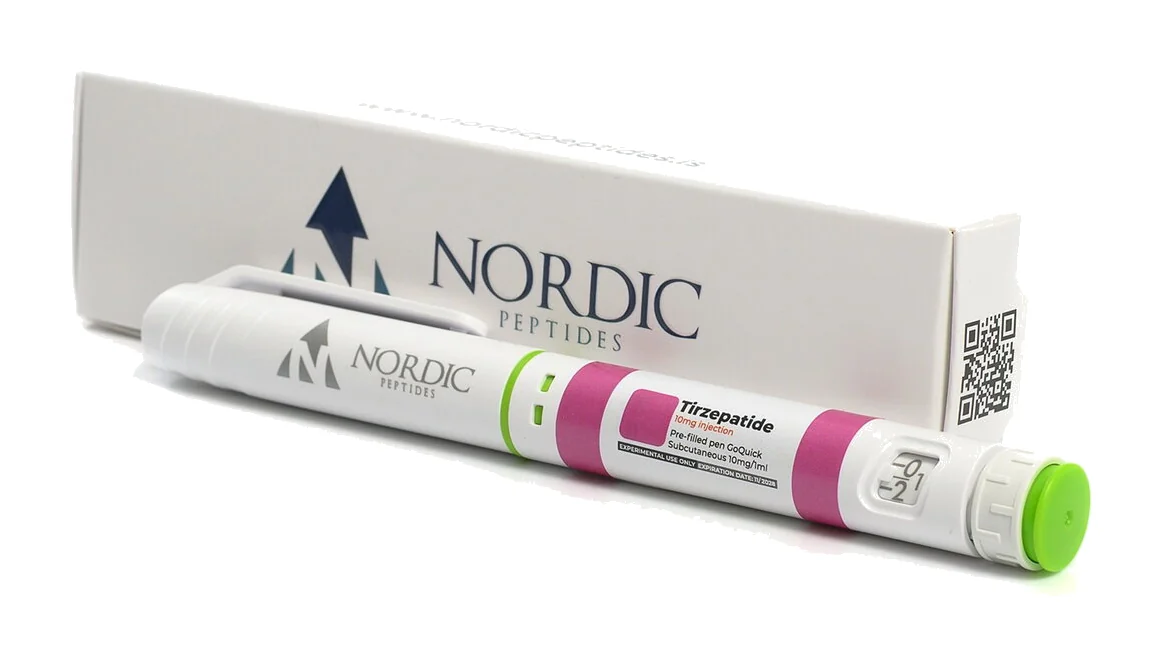
| Tirzepatide | Not prohibited in sport: the list never names tirzepatide, and the S0 catch-all only reaches substances with no current approval. Approved medicine — NDA215866 (Mounjaro) and NDA217806 (Zepbound). | WADA 2026 · Drugs@FDA |
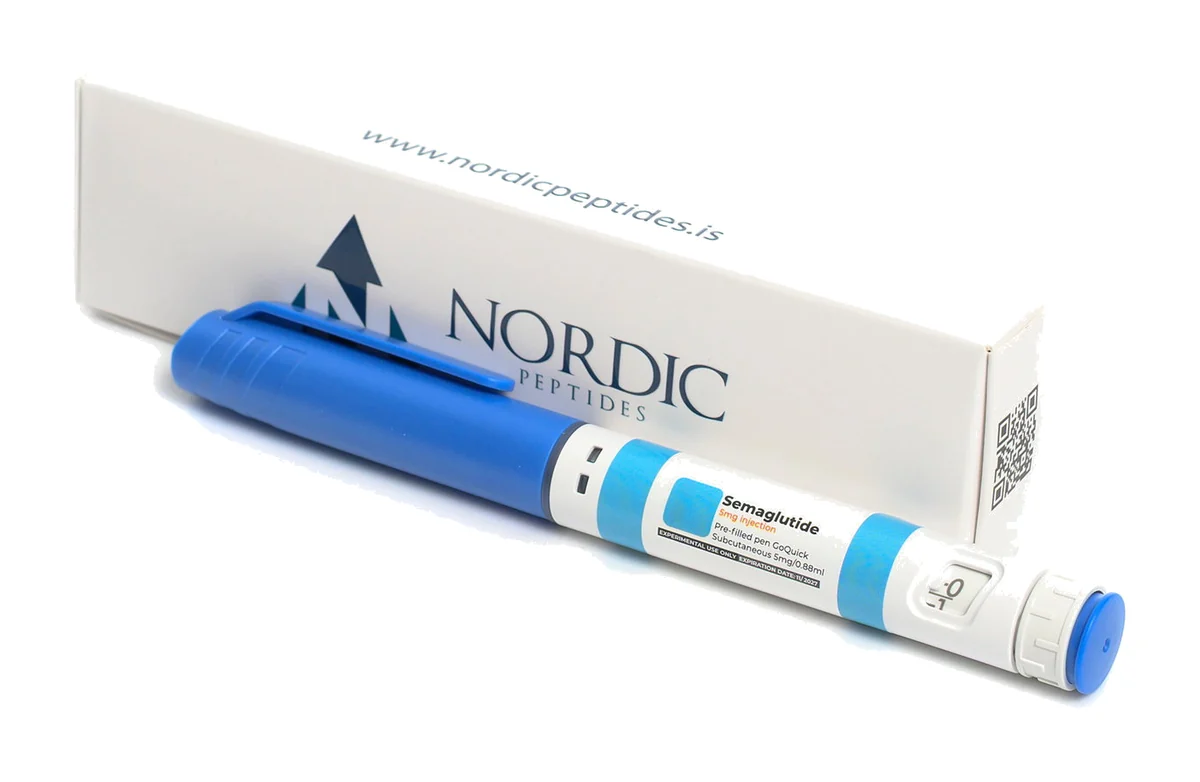
| Semaglutide | Not prohibited in sport, on the same reading. Approved medicine — NDA213051 (Ozempic, Rybelsus) and NDA215256 (Wegovy). | WADA 2026 · Drugs@FDA |
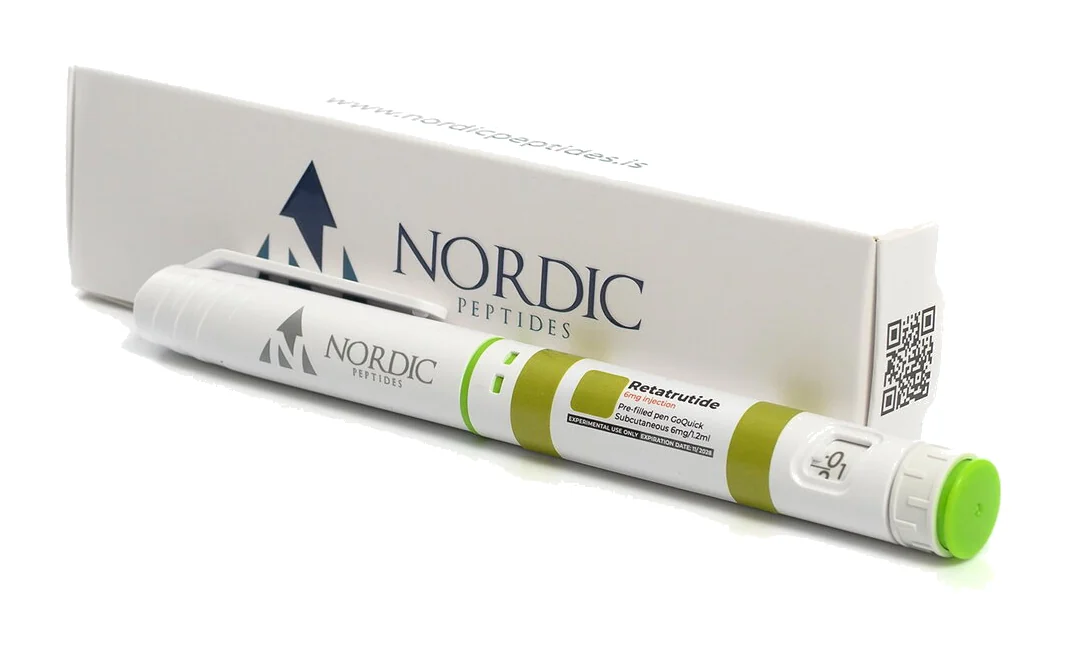
| Retatrutide | Not named in the list and no application in Drugs@FDA, so S0’s catch-all covers it: a substance with no current approval for human therapeutic use. | WADA 2026, S0 · Drugs@FDA |
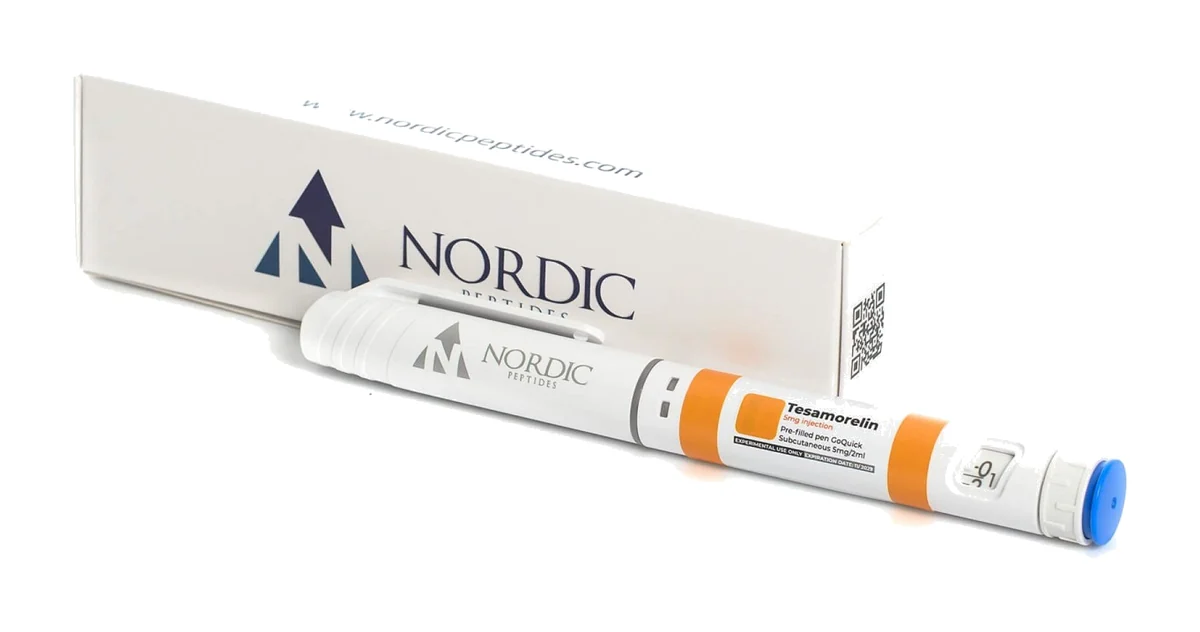
| Tesamorelin | Prohibited — S2.2.4 names tesamorelin among the GHRH analogues. Approved medicine — BLA022505 (Egrifta). One of the two rows here that is both listed and approved. | WADA 2026, S2.2.4 · Drugs@FDA |
| AOD9604 | Prohibited — S2.2.3 names it as a growth hormone fragment, “e.g. AOD-9604 and hGH 176-191”. No application in Drugs@FDA. | WADA 2026, S2.2.3 · Drugs@FDA |
S0 is the clause behind the third row, and it is worth reading in full rather than as a footnote: it covers “any pharmacological substance which is not addressed by any of the subsequent sections of the List and with no current approval by any governmental regulatory health authority for human therapeutic use”, with drugs in clinical development, discontinued drugs and veterinary-only drugs given as its own examples. Unnamed plus unapproved is the combination that puts a substance inside it, which is the entire difference between retatrutide and tirzepatide.
Two things this table is not saying. It is not a ranking: the list turns on authorisation, not on how a compound acts or how well it is studied, so an approved drug can be on it and an unlisted one can be off it. And a marketing authorisation is not an endorsement of the compound beyond the indication the application covers, or a statement about what a person should do. What these compounds do in a person is the evidence table above, and for most of them the trial literature is thinner than the marketing around them.
What the data do not show
Six things this evidence base does not contain, in order of how often they get skipped.
None of these trials tested a peptide bought for research. They tested pharmaceutical-grade product, administered under protocol, with a 20-week escalation period where one was specified. The results are evidence about the molecule. They are not evidence that a research pen reproduces the trial, and this page does not say it does.
The populations are not the people browsing. Mean BMI 38.0 in SURMOUNT-1, with 94.5% of participants at 30 or above (35658024). A BMI of 30 or 27-plus-a-comorbidity in STEP 1 (33567185). These are clinical cohorts selected on body composition and comorbidity.
Retatrutide’s headline is phase 2. −24.2% at 48 weeks in 338 people (37366315). There is no phase 3 and no long-term outcome data behind it. The number is the largest in the file and its evidence base is the thinnest, and those two facts belong in the same sentence.
Weight is a surrogate endpoint, not a health outcome. None of these four papers reports cardiovascular events, mortality, or any clinical outcome as a primary result. The evidence is about kilograms. That is a real and useful thing to know and it is not the same as knowing something about a person’s health.
What happens when the pen stops is not addressed by any of the four. No trial here reports sustained weight after withdrawal as a result. Treat it as unknown rather than as permanent.
And the discontinuation numbers are real numbers, printed in the same abstracts as the headline percentages: 4.5% against 0.8% for gastrointestinal events in STEP 1 (33567185), and 4.3% to 7.1% across active levels in SURMOUNT-1 (35658024). They deserve the same prominence as the percentages they sit next to.
Four molecules lead this protocol and a fifth is included on purpose. Tirzepatide carries the largest human dataset of anything on our shelf — 2 539 adults. Semaglutide carries the best-known name and the trial people have heard of. Retatrutide carries the strongest phase 2 numbers in the file and a card that says phase 2. Tesamorelin is the only approved molecule we sell and the only one with a visceral-fat endpoint, which is an honest frame for someone who does not want the GLP-1 comparison at all. AOD9604 is fifth because the query asks about it by name, and the card’s job there is to say what was actually measured.
Body Composition & Metabolic Research
Shelf
Read first
Research
Questions people ask about this
Answered with the same sources printed at the bottom of this page.
Which weight-loss peptide has the most human data?
Tirzepatide: 2 539 adults in a 72-week phase 3 trial, mean weight −15.0% to −20.9% across the dose levels against −3.1% on placebo. Semaglutide follows with 1 961 adults and −14.9% against −2.4% at 68 weeks.
Is retatrutide's number as strong as it looks?
It is the largest figure in the category and the thinnest dataset behind it — a phase 2 trial in 338 adults over 48 weeks, −24.2% in the highest dose group against −2.1% on placebo. Phase 2 exists to find out whether a signal holds.
Is tesamorelin a GLP-1?
No. It is the only approved medicine on this page and the only one whose primary endpoint was visceral fat rather than body weight, studied in people with HIV-associated abdominal fat accumulation over 26 weeks.
Do these results transfer to a research pen?
The trials tested pharmaceutical-grade product administered under protocol. They are evidence about the molecules, not evidence that a research pen reproduces the trial — and this page does not claim that it does.
What were the discontinuation rates?
4.5% against 0.8% for gastrointestinal events in the semaglutide trial, and 4.3% to 7.1% across active levels against 2.6% in the tirzepatide trial. They are printed in the same abstracts as the headline percentages and belong next to them.
What happens to the weight after the pen stops?
Not addressed by any of the four trials. None reports sustained weight after withdrawal as a result, so it should be read as unknown rather than as permanent.
Sources
- Once-Weekly Semaglutide in Adults with Overweight or Obesity. — N Engl J Med 2021 · PMID 33567185
- Tirzepatide Once Weekly for the Treatment of Obesity. — N Engl J Med 2022 · PMID 35658024
- Triple-Hormone-Receptor Agonist Retatrutide for Obesity — A Phase 2 Trial. — N Engl J Med 2023 · PMID 37366315
- Reduction in visceral adiposity is associated with an improved metabolic profile in HIV-infected patients receiving tesamorelin. — Clin Infect Dis 2012 · PMID 22495074