The GLP-1 line, compared: semaglutide, tirzepatide, retatrutide
One receptor, two, or three. Here is the whole line side by side — the trial numbers, the trade-offs and which pen sits where in our catalog.
23 August 2026 · 2 min read
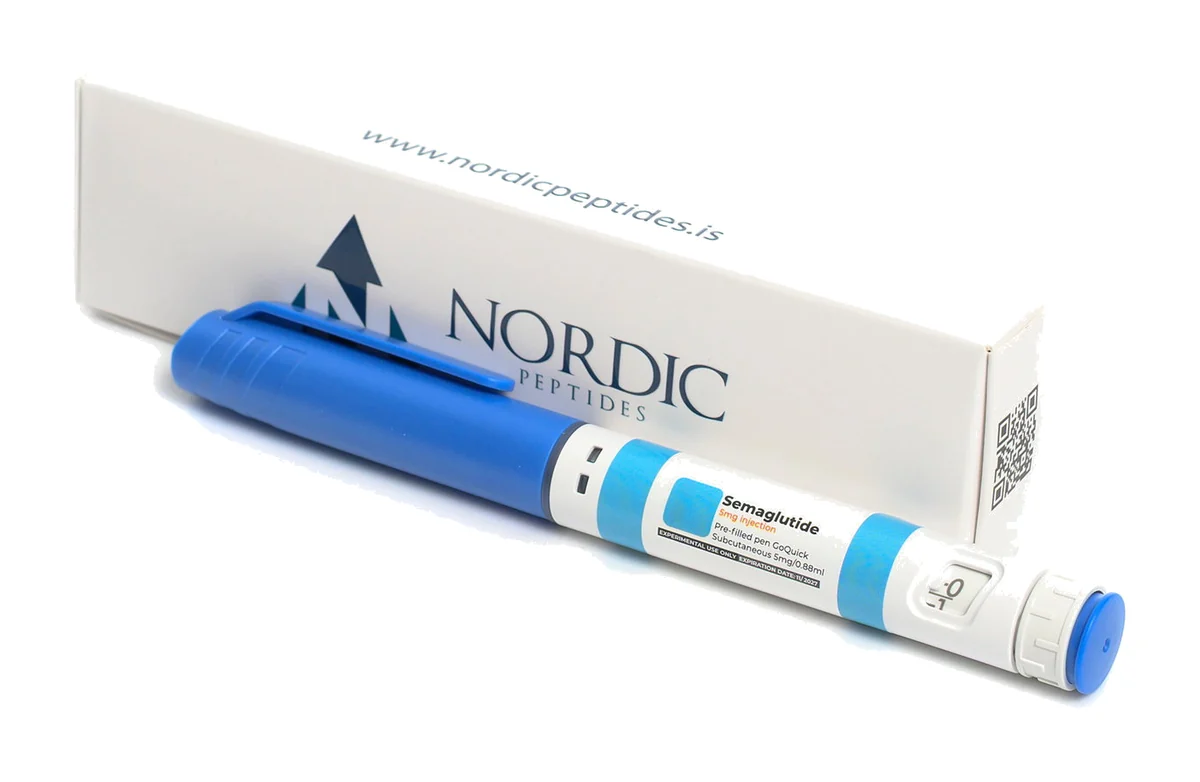 Semaglutide - 5mg
Three compounds, three generations of the same idea, and one question we get more than any other: which one. This page puts the whole line in one table so the comparison is visible instead of implied.
The generations
| Receptors | Best published result | Trial stage | |
|---|---|---|---|
| Semaglutide | GLP-1 | −14.9% at 68 weeks (STEP 1) | Approved; outcomes trial completed |
| Tirzepatide | GIP + GLP-1 | −20.9% at 72 weeks (SURMOUNT-1) | Approved for obesity |
| Retatrutide | GIP + GLP-1 + glucagon | −24.2% at 48 weeks (phase 2) | Phase 3 running |
Each generation adds a receptor and moves the number. That progression is real, it was measured in properly controlled trials, and it is the reason the newer compounds cost more per pen than the older ones.
Two comparisons in that table are direct rather than inferred: tirzepatide and semaglutide were run against each other in SURMOUNT-5 (−20.2% vs −13.7% over 72 weeks, 751 participants). Retatrutide’s figure comes from its own placebo-controlled trial, not a head-to-head, so it is not strictly comparable — a shorter trial, a different population.
What each one is actually best at
Semaglutide is the most evidenced compound in the whole category, and it is not close. The SELECT trial followed 17,604 people for around 40 months and reported a 20% reduction in major adverse cardiovascular events. No other molecule here has anything like that behind it. If the value you want is depth of published evidence, this is the one.
Tirzepatide is the current efficacy-per-evidence sweet spot: approved, head-to-head superior to semaglutide on weight, and with a lower discontinuation rate for gastrointestinal events in that trial (2.7% vs 5.6%).
Retatrutide is the frontier. The largest published reduction of the three, from a 48-week phase 2 in 338 people — and no phase 3 results, no outcomes data, no approval anywhere yet. Highest number, thinnest file.
Where the dose strengths come from
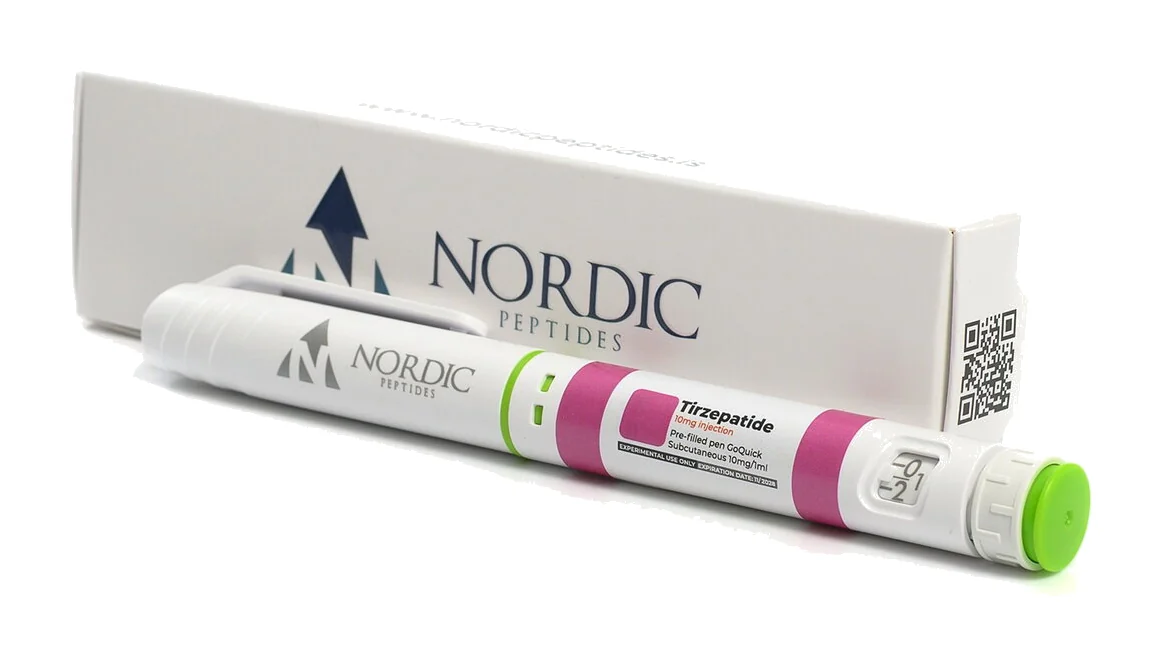
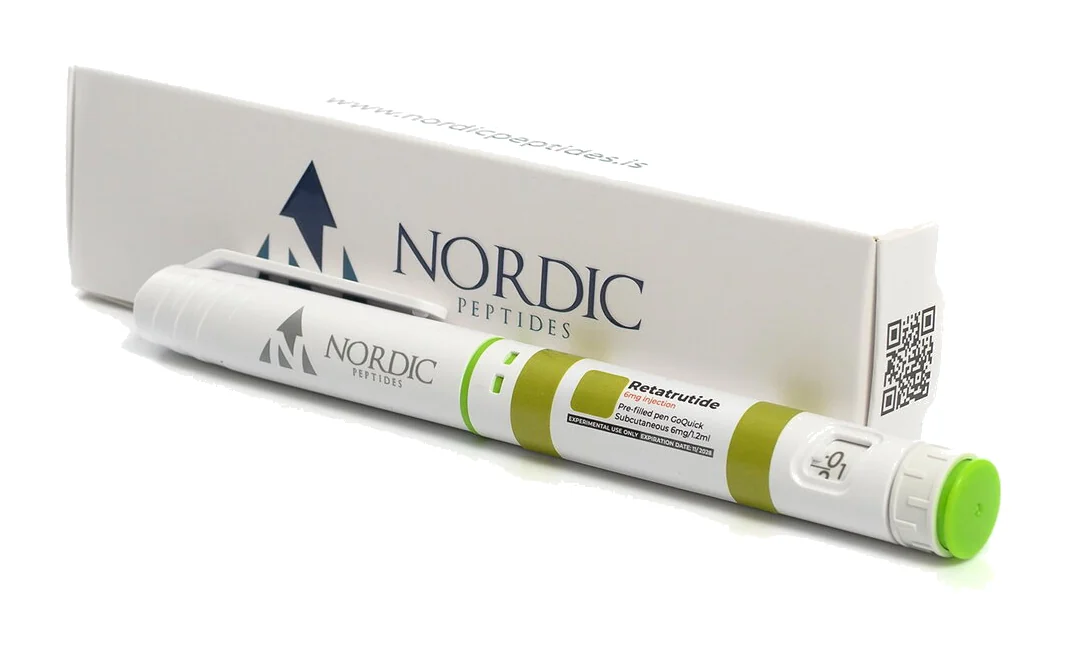
The strengths on our shelf follow the trials, not marketing. Retatrutide was escalated to 4, 8 and 12 mg targets in phase 2, which is why the pens run 6, 12, 20 and 30 mg. Tirzepatide is stocked at 5 mg and 10 mg, semaglutide at 5 mg. Which strength fits a given protocol is a question for the protocol.
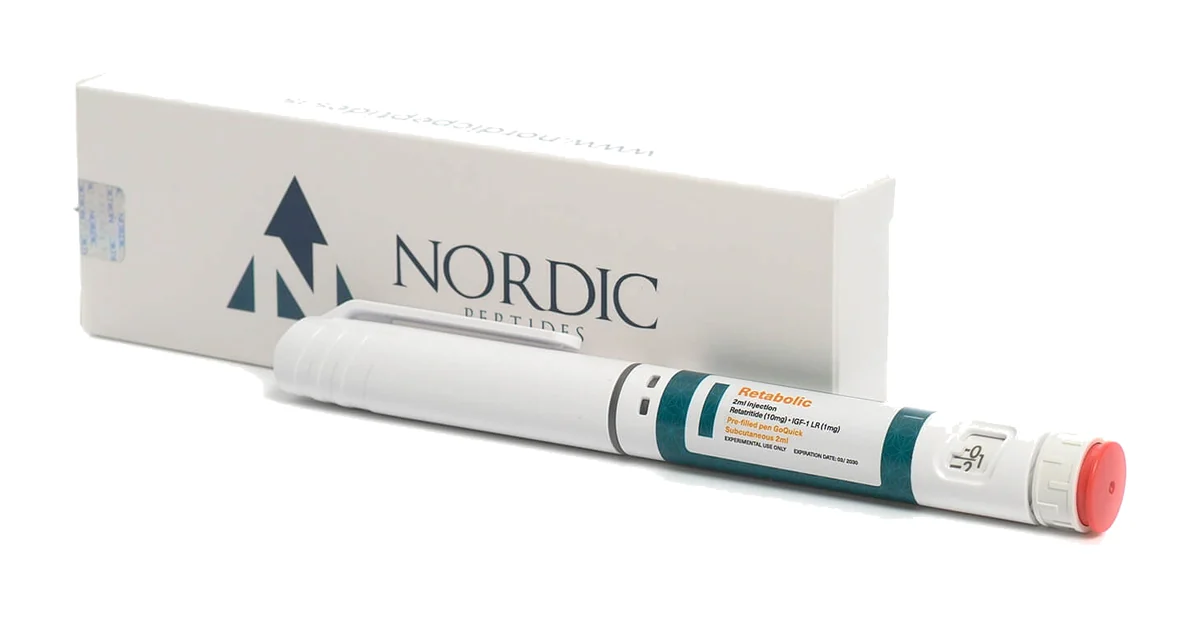
We also list Retabolic, a combination of retatrutide with IGF-1 LR3 — a blend, with the attribution caveat that comes with every blend.
What we ship, in practice
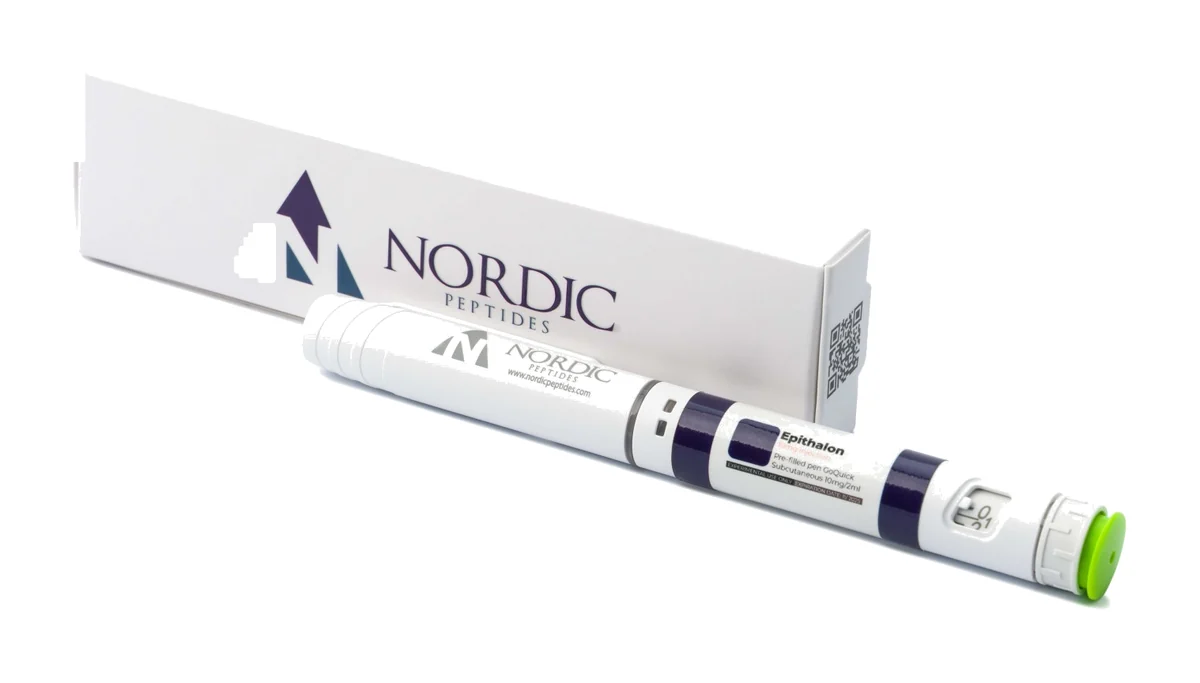
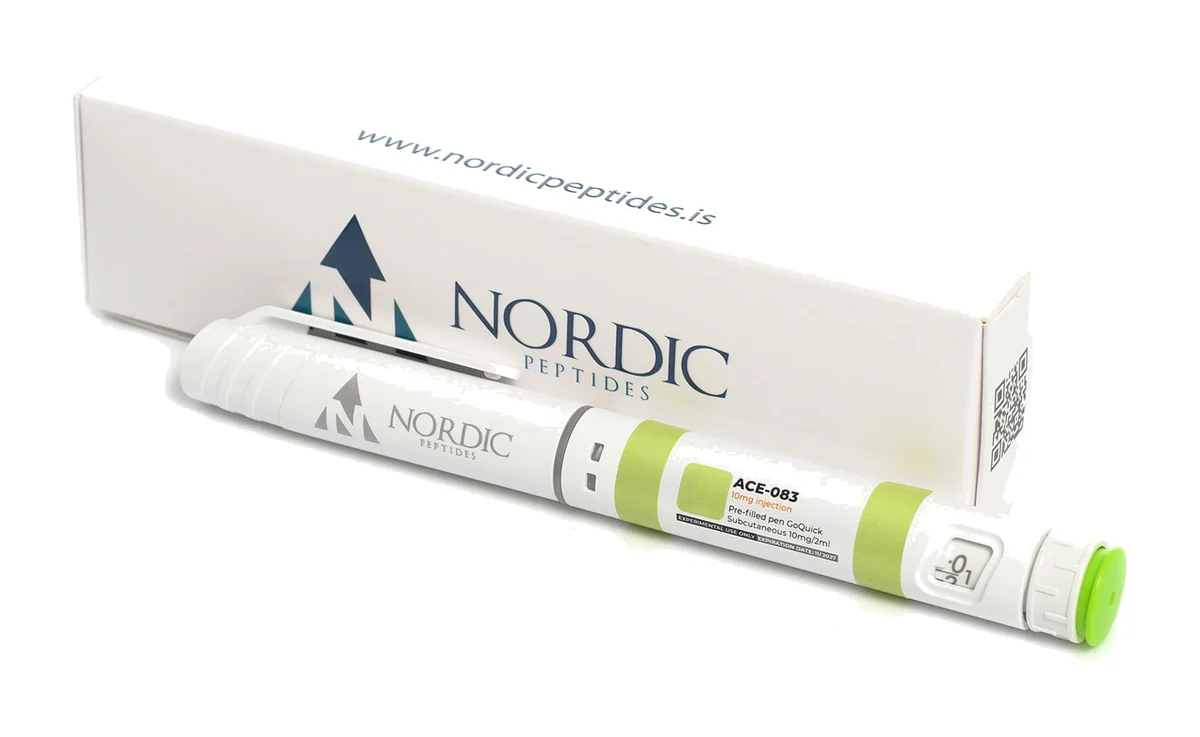
Every GLP-1 item in this line is a pre-filled Nordic Peptides pen, not a vial to be reconstituted. That is a deliberate supply decision and it has a measurable reason behind it.
Prices are on each product page and are always below the manufacturer’s own European retail. There is a single flat fulfillment and delivery fee per order, whatever the size of the order, and delivery is tracked inside the EU with same-day processing.
Read the detail
- Semaglutide: what the STEP programme showed — including what happened when people stopped
- Tirzepatide vs semaglutide: the first head-to-head trial
- Retatrutide: what the phase 2 data actually show
Research use only. Everything above describes what happened to trial participants under medical supervision — it is not a protocol, not medical advice, and nothing we supply is for human or veterinary use.
References.
- Wilding JPH, et al. Once-Weekly Semaglutide in Adults with Overweight or Obesity (STEP 1). N Engl J Med 2021;384(11):989–1002.
- Jastreboff AM, et al. Tirzepatide Once Weekly for the Treatment of Obesity (SURMOUNT-1). N Engl J Med 2022;387(3):205–216.
- Jastreboff AM, et al. Triple–Hormone-Receptor Agonist Retatrutide for Obesity — A Phase 2 Trial. N Engl J Med 2023;389(6):514–526.
- Aronne LJ, et al. Tirzepatide as Compared with Semaglutide for the Treatment of Obesity (SURMOUNT-5). N Engl J Med 2025;393(1):26–36.
- Lincoff AM, et al. Semaglutide and Cardiovascular Outcomes in Obesity without Diabetes (SELECT). N Engl J Med 2023.