Stanozolol: the bone paper, the HDL paper, and the tendon paper
A 1991 histomorphometry study in 23 people with osteoporosis, a 2015 randomised trial in 44 patients with venous ulcers where 91% lost HDL, and a systematic review of 262 tendon ruptures in which steroid use was the second most common comorbidity. Same drug, three very different papers.
14 October 2026 · 4 min read
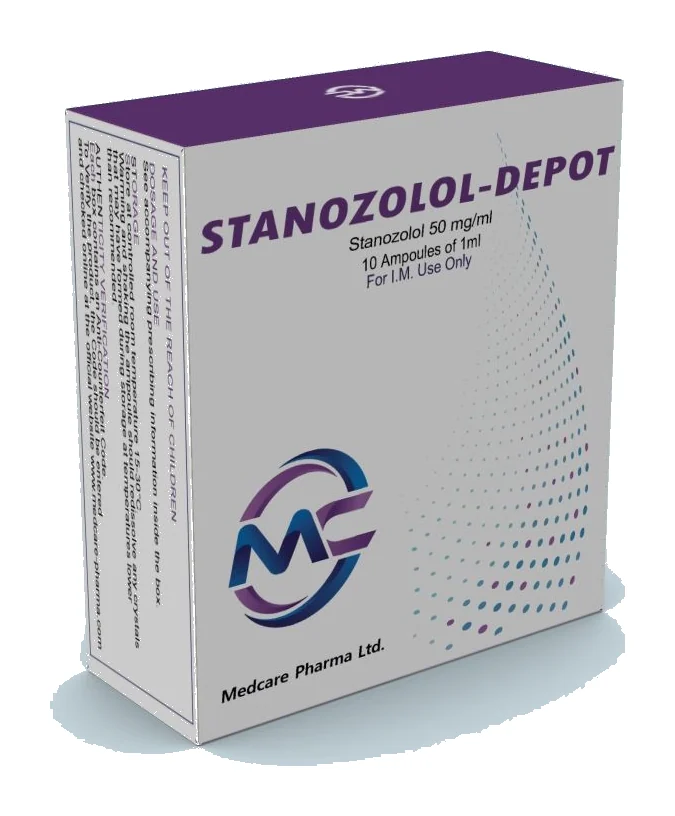 Stanozolol Depot
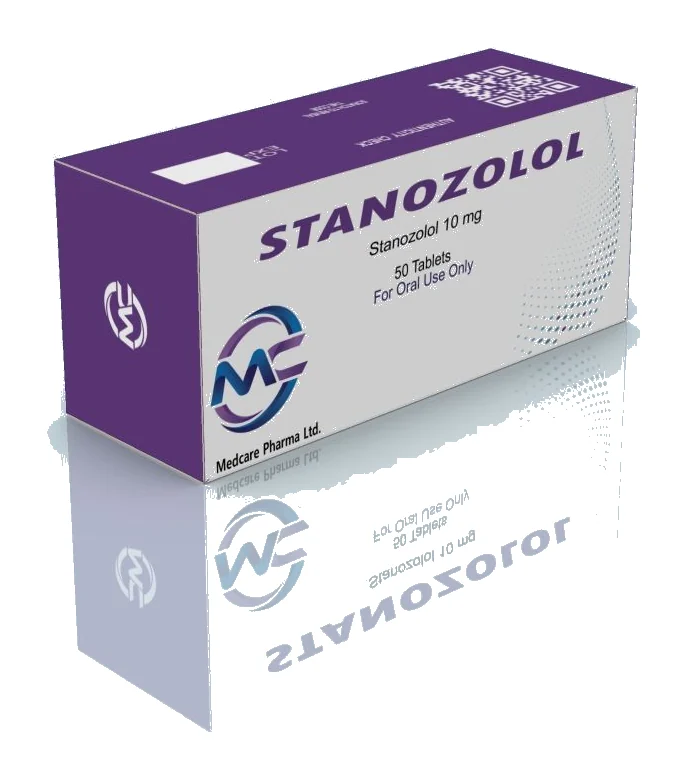
Stanozolol has been in clinical use since the 1960s, it is on the World Anti-Doping Prohibited List, and it is one of the compounds in this catalog with a genuinely awkward research file: papers that show it doing something real, papers that show it doing something undesirable, and very little that connects the two. This page puts the three best papers side by side instead of picking the flattering one.
The bone paper
From Clinical Science in 1991, and it is the most rigorous thing in this file. Twenty-three patients with osteoporosis were studied with a combination of biochemical and histomorphometric techniques. Stanozolol 5 mg/day for one year.
The fasting urinary excretion of calcium fell markedly and significantly (p<0.01). Serum calcium and phosphate, serum alkaline phosphatase activity, renal tubular calcium reabsorption and urinary hydroxyproline did not change. Histologically, trabecular bone turnover increased and the bone formation rate increased twofold (p<0.02). Bone volume and wall thickness did not change significantly. Tetracycline labelling was used to separate bone structural units completed before treatment from those formed during it: the wall thickness of units formed during treatment showed no significant change in trabecular bone, but at the endocortical surface the units formed during treatment had significantly greater wall thickness than those formed before (p<0.05).
The authors’ conclusion: stanozolol increases the turnover of trabecular bone and increases endocortical apposition of bone. That is a turnover finding, not a density finding. Bone volume did not increase. The trial reports a change in how bone is being remodelled, and remodelling is a process, not a deposit.
The lipid paper, and it is the sharpest one
A 2015 prospective, randomised, double-blinded, placebo-controlled trial in the International Journal of Lower Extremity Wounds, in patients with lipodermatosclerosis and venous leg ulcers. Forty-four patients enrolled, 21 active and 23 placebo treated and evaluated. Active arm: stanozolol 2 mg twice daily for up to six months, on top of leg compression, with laboratory follow-up for two months after stopping.
The liver enzyme result is unremarkable and should be read as such: AST became significantly elevated in 29% of patients at two months (p=0.0415) and ALT in 33% at one month (p=0.0182) — in stanozolol or placebo patients, with return to baseline in the post-treatment period.
The lipid result is the one the authors themselves flag as unexpected. Ninety-one percent of patients on stanozolol developed a significant decrease in HDL (p<0.0001), by as much as 37 U/L. Every patient remained asymptomatic, and levels returned to baseline after discontinuation. The conclusion: low-dose stanozolol 2 mg twice daily produces asymptomatic and temporary elevation of liver transaminases and depression of the HDL level in a significant proportion of patients.
That is a well-designed trial, on a low dose, in an older population, in a supervised setting, finding a large effect on a cardiovascular risk marker in nearly everyone who took it. The “HDL is not a risk marker” argument from the last decade applies to the direction of the epidemiological association; it does not apply to what this compound does to the assay.
The tendon paper
A 2017 systematic review in Hand, of surgically treated triceps tendon ruptures: 175 articles screened, 40 included, 262 patients. Average age at injury 45.6 years. Average time from injury to surgery 24 days, with 10 patients diagnosed more than a month late. Postoperatively 89% returned to pre-injury activity, with a 6% rerupture rate at an average follow-up of 34.6 months.
The line from that abstract that matters: renal disease (10%) and anabolic steroid use (7%) were the two most common medical comorbidities among these patients. The authors list both as risk factors for rupture.
A 7% prevalence among people who had already torn a tendon is not a rate of risk. It is not a cohort, not a denominator, not a comparison against non-users, and the paper does not claim one. What it establishes is narrower and still worth stating: in a systematic review of a specific tendon rupture, steroid use was one of the two most frequently recorded comorbidities.
What the data do not show
They do not show a muscle or strength effect for stanozolol in a healthy person. None of the three papers measures one. The bone paper measures histology and calcium handling; the lipid paper measures enzymes and lipoproteins; the tendon review measures surgical outcomes. The compound’s reputation in this market comes from its class, not from these papers.
They do not show a bone density benefit. Increased turnover and increased endocortical apposition, with no significant change in bone volume or trabecular wall thickness, is a remodelling result. Reading it as “it builds bone” is a category error that the abstract itself does not make.
They do not show that 2 mg twice daily is the relevant dose for anyone reading this page. That was a dose in patients aged into their eighties with venous ulcers and compression therapy, chosen deliberately low, and the 91% HDL effect happened anyway.
They do not show a quantified tendon risk. The 7% figure is a comorbidity prevalence inside a rupture cohort. Anyone quoting it as “7% of steroid users rupture tendons” has inverted the denominator, and the abstract does not support that reading.
They do not show the listed forms on this shelf are the same as the studied material. The papers use oral stanozolol tablets; this catalog lists both an oral and a depot presentation. A page that implied the depot form was covered by a 2 mg twice-daily tablet trial would be making a claim neither paper supports.
Where this sits on the shelf
The compound as supplied by the manufacturer: Stanozolol (Oral) · Stanozolol Depot
What we supply
The stanozolol preparations above, as supplied by the manufacturer, tracked, from inside the EU.
Research use only. This page summarises published studies for research reference. It is not medical advice, not a protocol, and not a suggestion for human use. Nothing we supply is for human or veterinary use.
References.
- Benéton MN, Yates AJ, et al. Stanozolol stimulates remodelling of trabecular bone and net formation of bone at the endocortical surface. Clin Sci (Lond) 1991;81(4):543-549.
- Carson P, Hong CJ, et al. Liver enzymes and lipid levels in patients with lipodermatosclerosis and venous ulcers treated with a prototypic anabolic steroid (stanozolol): a prospective, randomized, double-blinded, placebo-controlled trial. Int J Low Extrem Wounds 2015;14(1):11-18.
- Dunn JC, Kusnezov N, et al. Triceps Tendon Ruptures: A Systematic Review. Hand (N Y) 2017;12(5):431-438.
10% off every product in your first order
Join the list for your welcome code plus early access to new research arrivals. No spam — unsubscribe anytime.