What actually degrades a peptide (and why we don't ship on ice)
The cold-chain theatre in this market is mostly theatre. Here is what the manufacturers themselves specify, what really damages a peptide, and the one product in our catalog that is an exception.
23 August 2026 · 3 min read
 BPC-157 - 5mg
Ask around this market and you will be told that peptides must travel on ice, that a warm parcel is a ruined parcel, and that anyone shipping at room temperature is cutting corners. It is a good story. The manufacturers’ own labels say otherwise.
What the makers actually specify
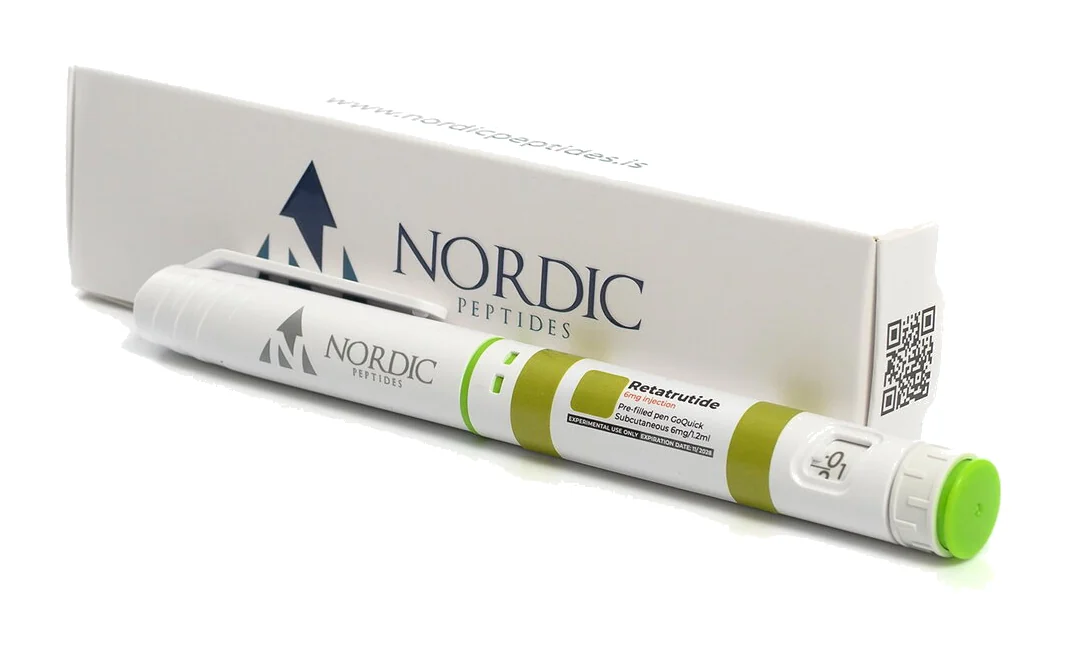
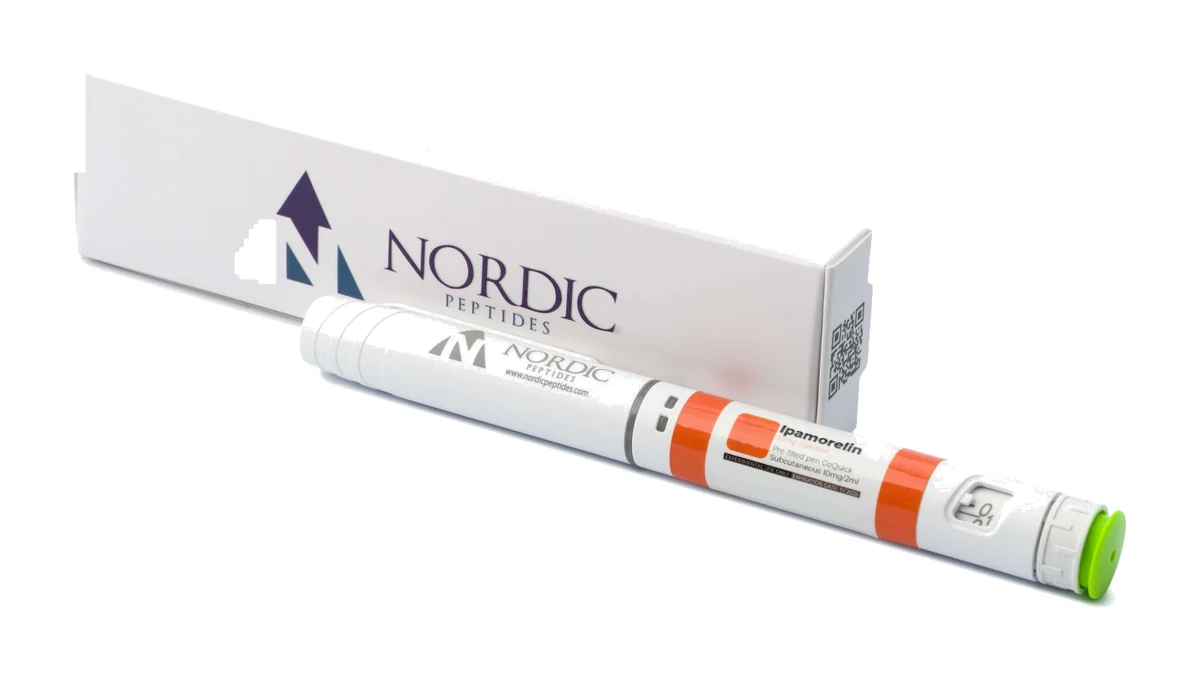
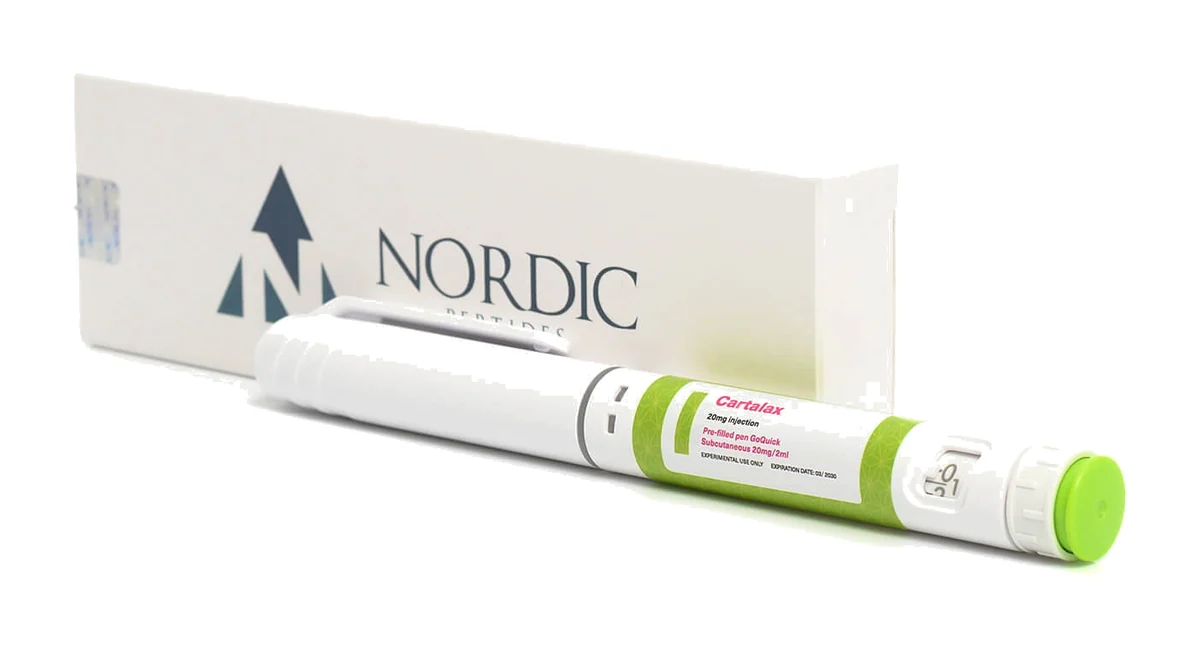
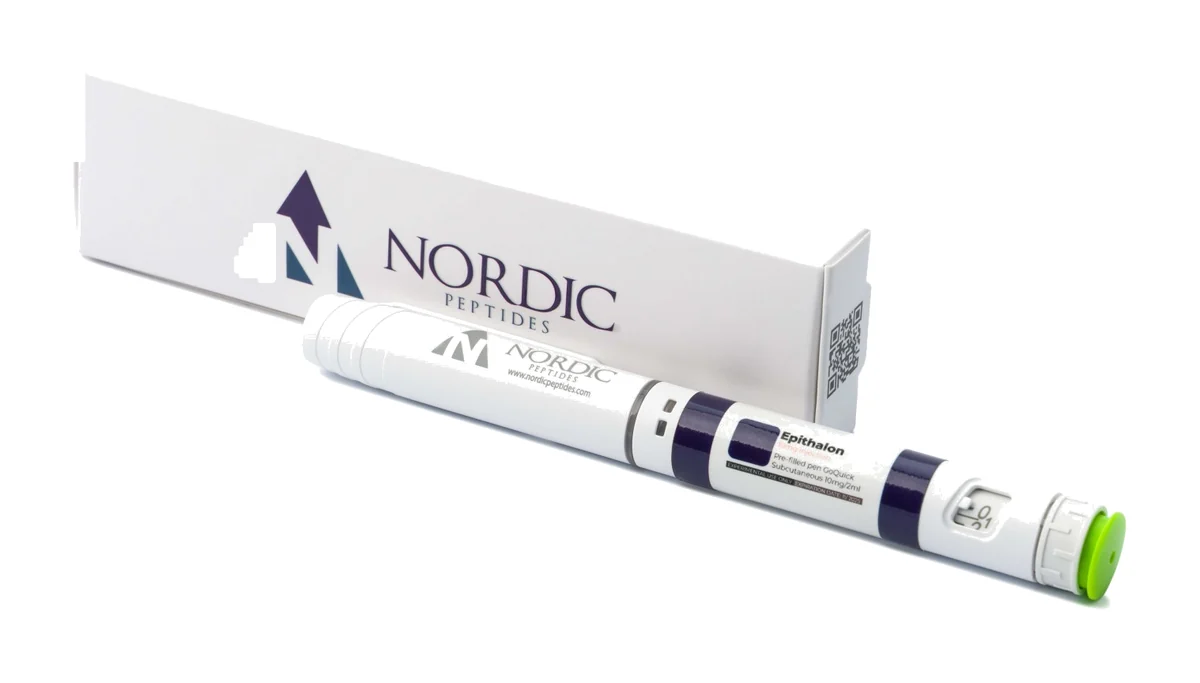
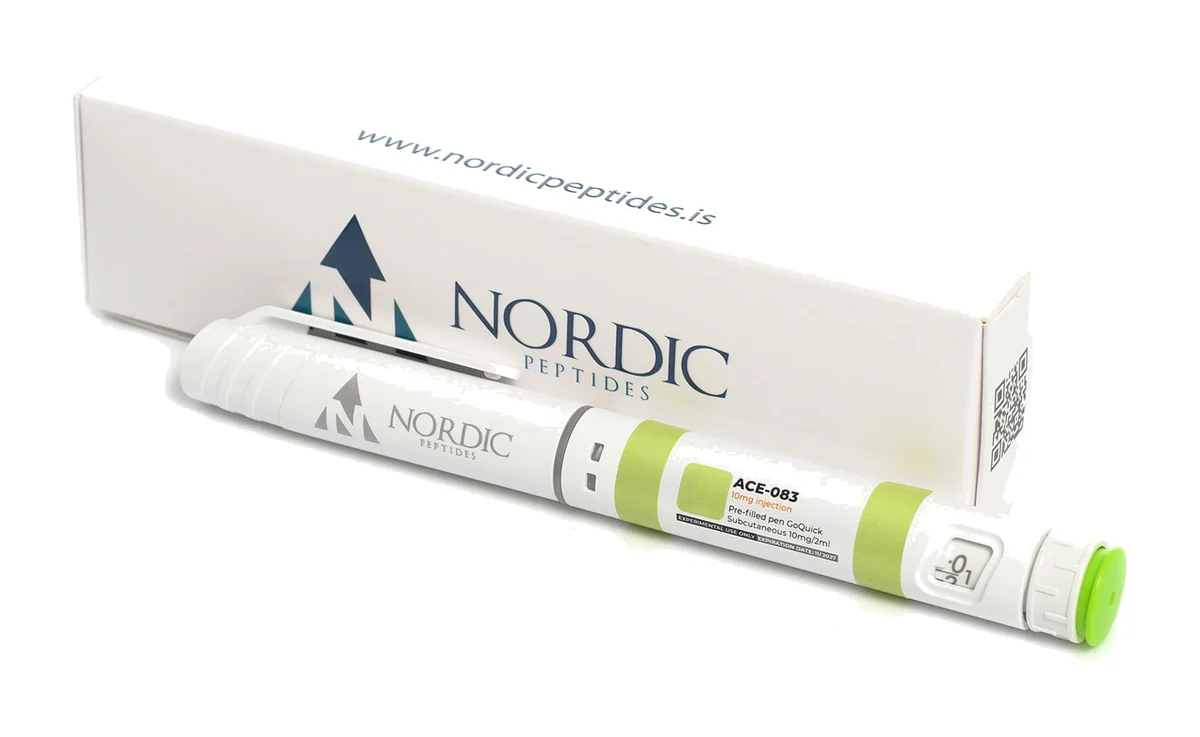
Nordic Peptides, whose pens make up the bulk of our catalog, specify storage of the sealed product at room temperature, 15–30 °C, away from light and moisture.
Med Care Pharma specify 15–30 °C, and for their oil-based ampoules a cool dry place at 30 °C ± 2 °C, protected from light.
Neither says refrigerate. Nordic’s own documentation goes further and warns explicitly against freezing the product.
So a parcel sitting in a hallway for a day is not a problem, and neither is the time it spends with the carrier. We do not ship refrigerated, we do not claim to, and we will not add the claim because competitors do.
What actually degrades a peptide
Four things, roughly in order of how much damage they do:
Water. Lyophilised peptide is stable because it is dry. Once reconstituted, the clock starts — hydrolysis, oxidation and aggregation all need water to work. This is the single biggest variable, and it is entirely on the user’s side of the transaction.
Light. Photodegradation is real for several sequences, which is why every instruction above says away from light. The carton is not decoration.
Repeated temperature cycling. Not heat itself so much as going up and down: fridge to bench to fridge. Each cycle is a fresh chance for condensation inside a cold vial, which brings us back to water.
Time after opening. Every septum puncture is an entry point. A pen’s sealed cartridge tolerates this far better than an opened vial does, which is one of the reasons the whole line is pens.
Ambient shipping temperature, in a tracked parcel over a few days, sits below all four for a sealed, lyophilised product.
The exception
One product in our catalog does ask for cold: AOD9604, and only after reconstitution, where the manufacturer specifies ≤4 °C. Where a maker asks for something different from the rest, the instruction is printed on that product’s own page in the manufacturer’s words rather than ours.
That is the rule generally — the storage note on a product page is quoted from the manufacturer, not written by us. If they say cool and dry, we print cool and dry.
After you reconstitute
Follow the maker’s own instruction for the specific compound; there is no universal number, and anyone who gives you one is guessing. What is general:
- use the diluent the manufacturer specifies, not whatever is in the drawer
- keep the reconstituted product cold and dark, and use it within the window the maker states
- do not re-freeze what you have thawed
- note the date on the vial — a reconstituted peptide of unknown age is an uncontrolled variable, and an uncontrolled variable ruins a result far more often than a warm delivery does
Why we bother saying this
Because the alternative is the market described in the 2024 JMIR analysis of grey-market semaglutide: sellers claiming pharmaceutical handling while shipping product measured at 7.7–14.37% purity, over-filled against the label, with endotoxin in every sample. Cold-chain claims are cheap to make. Printing the manufacturer’s own instruction — including the parts that make our logistics look ordinary — is the version that can be checked.
Full detail on processing, packaging and delivery is on our shipping page. Research use only: everything we ship is supplied strictly for in-vitro laboratory research, never for human or veterinary use.
References.
- Nordic Peptides — manufacturer storage instruction, as printed on the product documentation (room temperature, 15–30 °C, away from light and moisture).
- Med Care Pharma — manufacturer storage instruction (15–30 °C; oil-based ampoules in a cool dry place, 30 °C ± 2 °C, protected from light).
- Multifactor Quality and Safety Analysis of Semaglutide Products Sold by Online Sellers Without a Prescription. J Med Internet Res 2024;26:e65440.