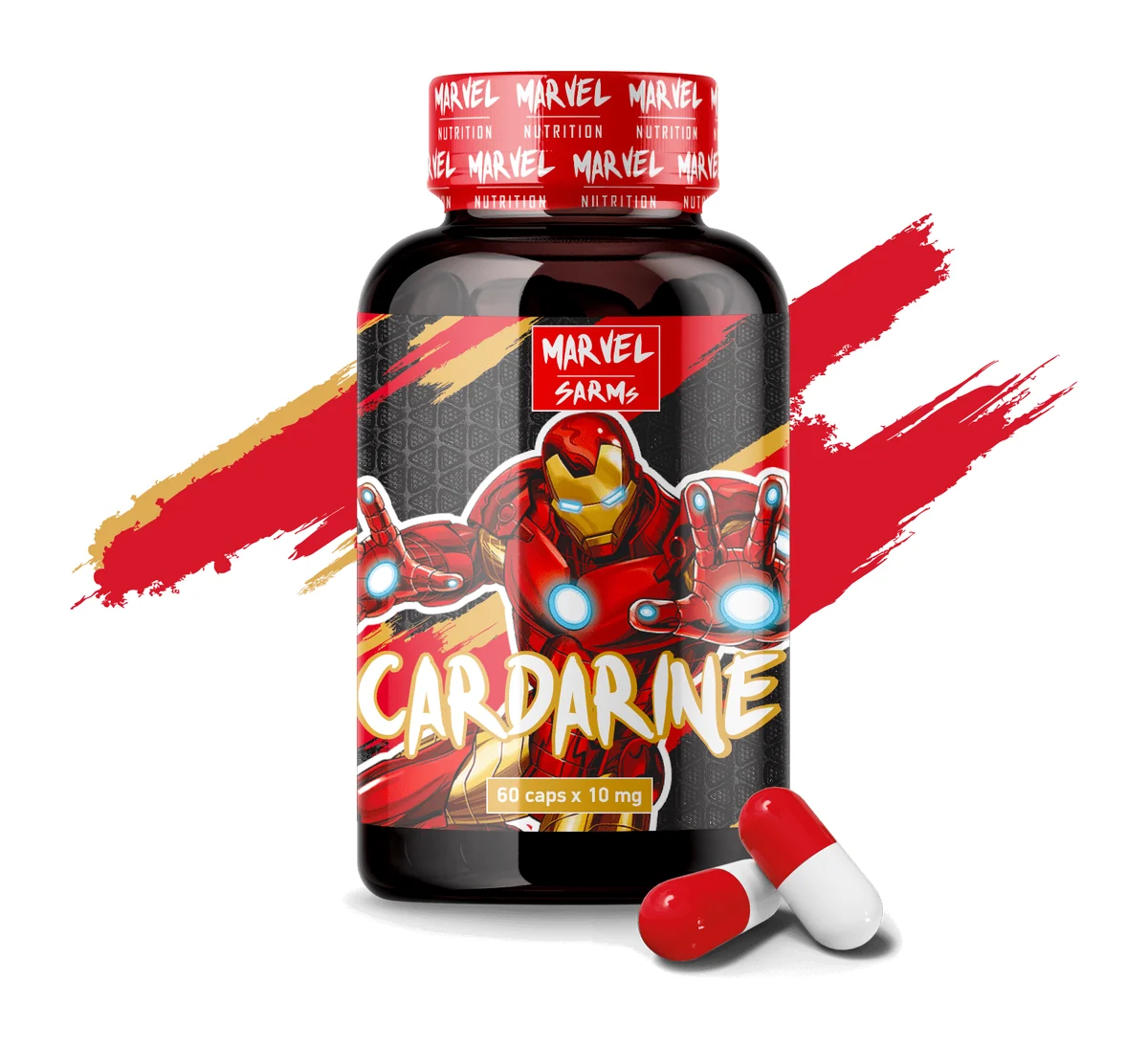
Mesterolone, halotestin, methyltestosterone: thin files
One of them has an 11.4-year randomised follow-up in 541 women, and the answer was no. The other two are oral 17α-alkylated androgens whose human record on this page is thinner than their reputation. What follows is the evidence, read in order of how much of it there is.
15 October 2026 · 5 min read
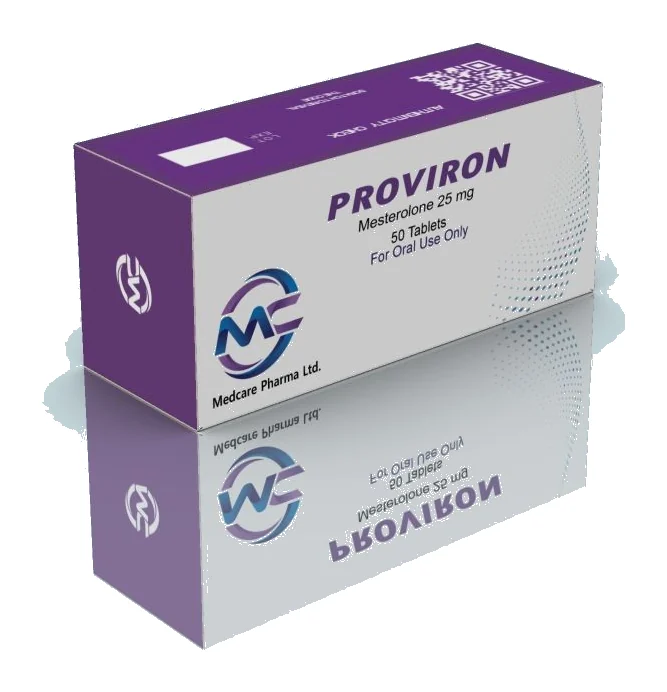 Mesterolone / Proviron
Three oral androgens sit on the Performance shelf, and they are usually sold as one thing: strong, cheap, and a fraction of what the injectables cost. They are not one thing. One of them has a long-term randomised human outcome dataset that came back negative. The other two have a published record on this page that consists of pharmacokinetic studies of related molecules. That is the honest shape of the evidence, and the order the sections below are in follows it.
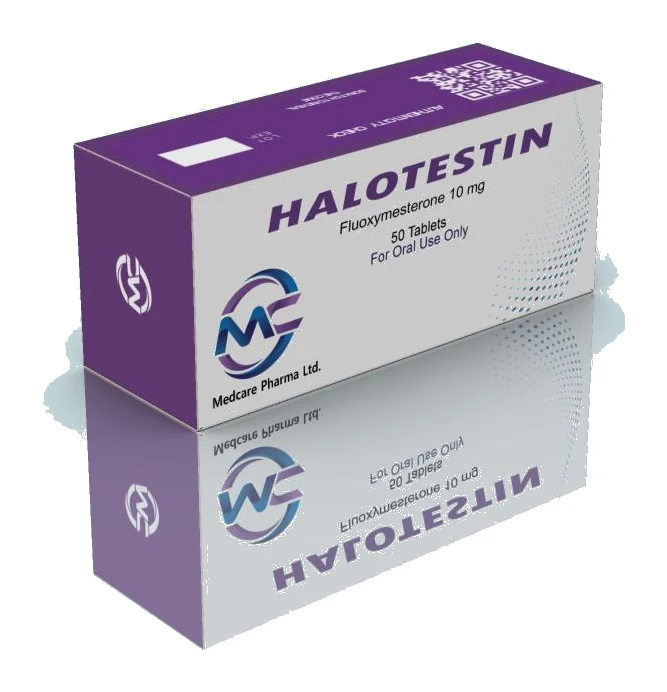
Halotestin (fluoxymesterone): the trial that is worth reading
A 2006 paper in Breast Cancer Research and Treatment reporting North Central Cancer Treatment Group trial 89-30-52. Five hundred and forty-one postmenopausal women with resected early-stage estrogen-receptor-positive breast cancer were randomised between 1991 and 1995 to tamoxifen 20 mg/day for five years alone, or tamoxifen combined with fluoxymesterone 10 mg twice daily for one year. The trial was designed to test whether adding an androgen to tamoxifen improved relapse-free survival. Median follow-up of patients still alive was 11.4 years.
The answer was no. No significant difference between tamoxifen plus fluoxymesterone and tamoxifen alone in relapse-free survival or overall survival. The adjusted hazard ratio for relapse or death without relapse was 0.84 (95% CI 0.64-1.10); for death, 0.89 (95% CI 0.67-1.18). The trial’s own summary: it did not demonstrate superiority of the combination over tamoxifen alone.
The trial also recorded the expected cost: as the authors note, there was more virilisation in the women who received fluoxymesterone. So the dataset for this compound is unusually informative — a decade of follow-up, a hard endpoint, a well-powered population, and a null result, with the tolerability signal in the abstract.
That result does not transfer to the other two compounds on this page, and it is not a muscle result. It is a demonstration that a potent androgen with a real, long human research history has produced a large trial with a negative answer.
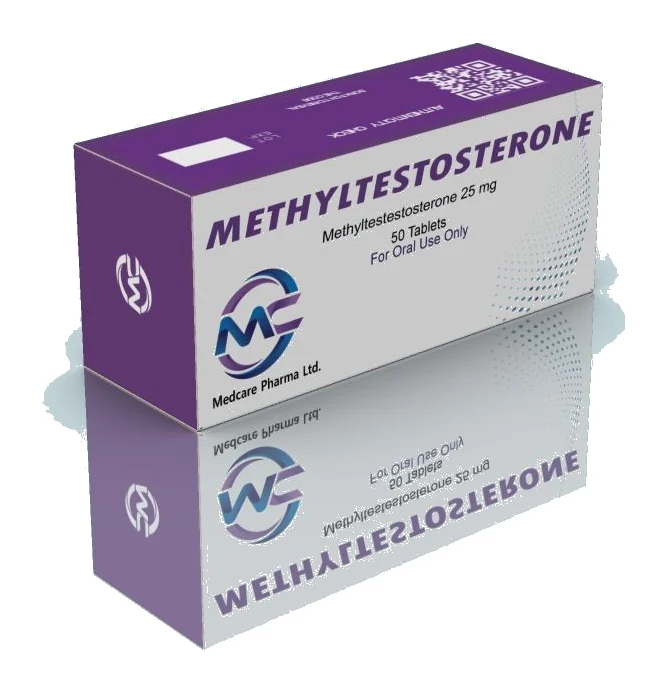
Mesterolone and methyltestosterone: what is actually in the file
For these two, the honest statement is that the human outcome literature on this page is absent, and the relevant pharmacology sits in studies of closely related molecules.
The 1997 Journal of Andrology paper on 7α-methyl-19-nortestosterone (trestolone) is useful precisely because it is about the structural family these compounds belong to. The paper explains why a synthetic androgen that does not undergo 5α-reduction is interesting: in the prostate, testosterone is 5α-reduced to dihydrotestosterone, which amplifies its stimulatory activity in tissues with significant 5α-reductase activity — essential in fetal development, with potentially undesirable consequences in adult life. MENT does not undergo 5α-reduction, so it was investigated for long-term clinical use on the expectation of being less stimulatory to the prostate.
The pharmacokinetics are the striking part. In normal men, a single intravenous bolus of 500 µg produced peak serum levels at three minutes, then an exponential decline to undetectable by 180 minutes. Terminal half-life 40 minutes, metabolic clearance 2,360 L/day — in both men and monkeys, far faster than reported for testosterone. The reason given: unlike testosterone, MENT showed no binding to sex hormone binding globulin.
A 40-minute half-life is the opposite of the five-to-eight-day profiles that make depot injectables convenient, and it is the clearest illustration on this page of why an oral 17α-alkylated androgen and an injectable ester are not interchangeable in any way a user should assume.
The 2003 Journal of Andrology primate study, in twenty adult male cynomolgus monkeys over 28 weeks, compared testosterone enanthate every four weeks, testosterone buciclate every seven weeks and testosterone undecanoate every ten weeks, each delivering 20 mg pure testosterone per kilogram. Testosterone enanthate produced the higher peaks; undecanoate and buciclate had longer half-lives. All regimens suppressed LH bioactivity and testicular volume declined (all p<0.001 versus controls), and sperm counts were markedly lowered in all animals — least with enanthate. The authors’ conclusion is the transferable one: the pattern of exposure and the degree of aromatisation, rather than overall exposure to testosterone, determine the effects. Both fluctuations in androgen concentration and the conversion rate to estradiol influence gonadal suppression as well as metabolism.
What the data do not show
They do not show a muscle, strength or body-composition result for any of the three compounds on this page. Not one abstract cited here measures lean mass, strength or hypertrophy. The halotestin trial measured relapse-free and overall survival in women with breast cancer. The other papers measured serum hormone kinetics in men and monkeys.
They do not show that halotestin’s null result applies to mesterolone or methyltestosterone. Different molecules, different populations, different endpoints. What transfers is a methodological lesson: a potent androgen with a real research programme produced a large randomised trial, and the trial was negative.
They do not show a favourable cardiovascular or lipid profile. The primate paper reports that serum creatinine and haemoglobin increased significantly in all testosterone-treated animals, and that the lowering impact on serum lipids was markedly stronger in the longer-acting preparations. It also reports that estradiol area under the curve was significantly higher with buciclate. These are animal findings and they belong to a different compound family — but they are the reason “anabolic” is not a description of what an androgen does.
They do not show a binding or clearance profile for mesterolone or methyltestosterone themselves. The 40-minute half-life and absent SHBG binding belong to trestolone, a different 17α-alkylated androgen. Quoting that number for another compound would be borrowing.
They do not show that a vial on a shelf is the studied material. The halotestin trial used an oral tablet at 10 mg twice daily for a year, in a monitored oncology trial in postmenopausal women, with eleven years of follow-up available. That is a very different setting, in a very different population, with a very different endpoint, from anything these rows are sold for.
Where this sits on the shelf
The compounds as supplied by the manufacturer: Mesterolone / Proviron · Halotestin · Methyltestosterone
What we supply
The preparations above, as supplied by the manufacturer, tracked, from inside the EU.
Research use only. This page summarises published studies for research reference. It is not medical advice, not a protocol, and not a suggestion for human use. Nothing we supply is for human or veterinary use.
References.
- Ingle JN, Suman VJ, et al. Randomized trial of tamoxifen alone or combined with fluoxymesterone as adjuvant therapy in postmenopausal women with resected estrogen receptor positive breast cancer. North Central Cancer Treatment Group Trial 89-30-52. Breast Cancer Res Treat 2006;98(2):217-222.
- Weinbauer GF, Partsch CJ, et al. Pharmacokinetics and degree of aromatization rather than total dose of different preparations determine the effects of testosterone: a nonhuman primate study in Macaca fascicularis. J Androl 2003;24(5):765-774.
- Kumar N, Suvisaari J, et al. Pharmacokinetics of 7 alpha-methyl-19-nortestosterone in men and cynomolgus monkeys. J Androl 1997;18(4):352-358.
10% off every product in your first order
Join the list for your welcome code plus early access to new research arrivals. No spam — unsubscribe anytime.