NAD+, NMN and nicotinamide: three different molecules, one marketing word
The NAD category is sold as if it were one product. It is not — and the one human randomised trial in the field tested a specific precursor, at a specific dose, in a specific population.
19 August 2026 · 2 min read
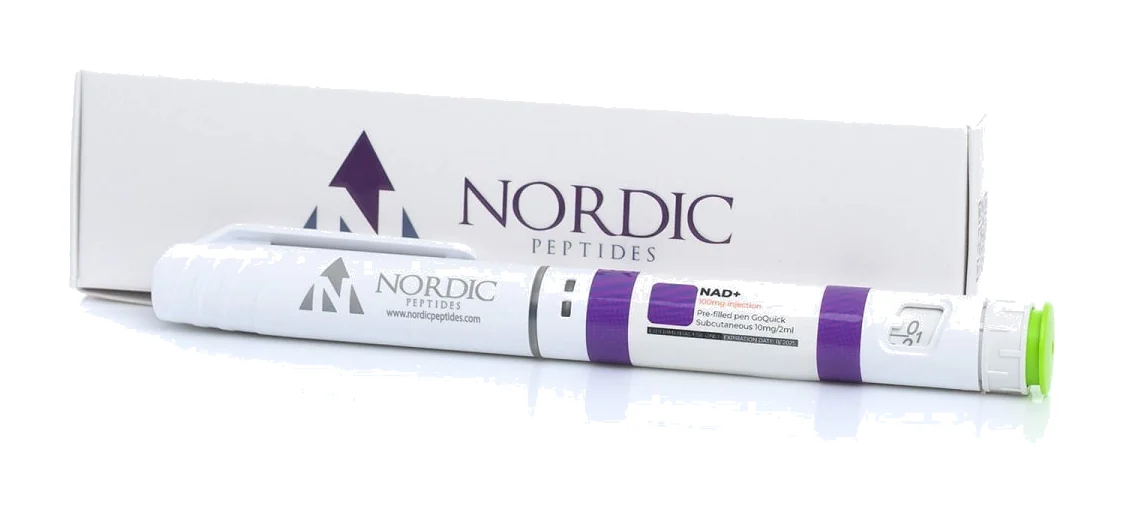 NAD+ (Nicotinamide) - 100mg
“NAD” is now a category label rather than a molecule, and the imprecision is doing real work in this market. Three different compounds get sold under it, and they are not interchangeable.
The three molecules
NAD+ (nicotinamide adenine dinucleotide) is the coenzyme itself — the electron carrier every cell uses in redox reactions and the substrate that sirtuins and PARPs consume. Cellular NAD+ declines with age; that observation is the whole basis of the field.
NMN (nicotinamide mononucleotide) is a direct biosynthetic precursor of NAD+. Its availability is a rate-limiting step in the salvage pathway, which is why it, rather than NAD+ itself, is what most human research administers.
Nicotinamide is a form of vitamin B3, further upstream, and a much older and cheaper molecule.
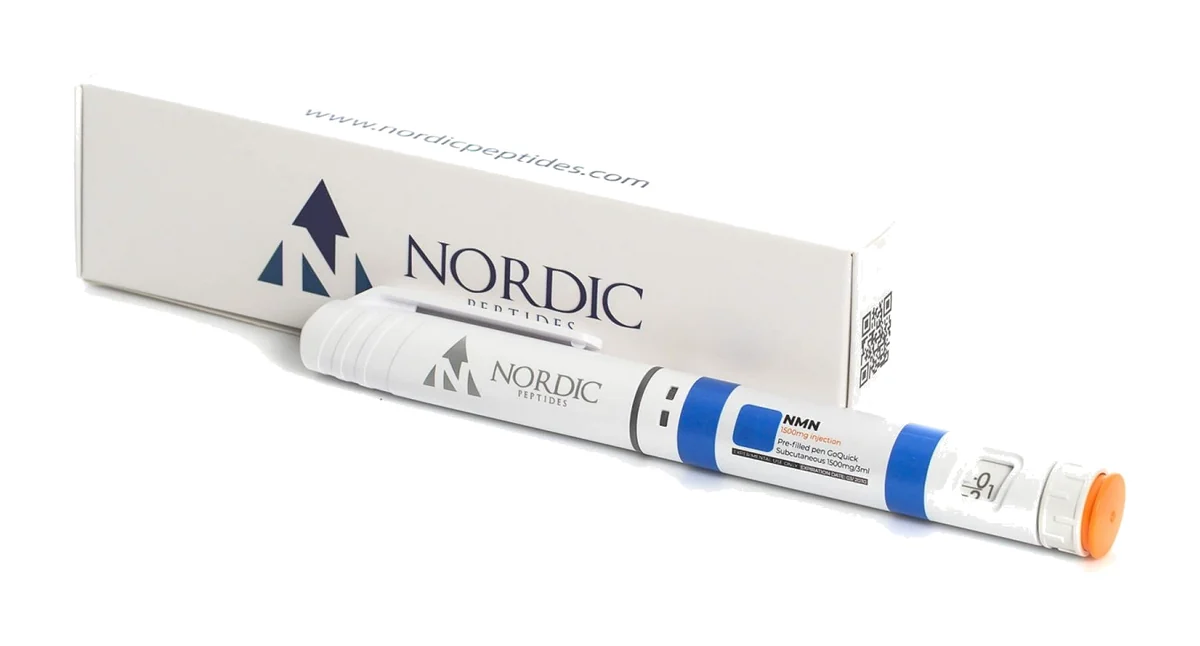
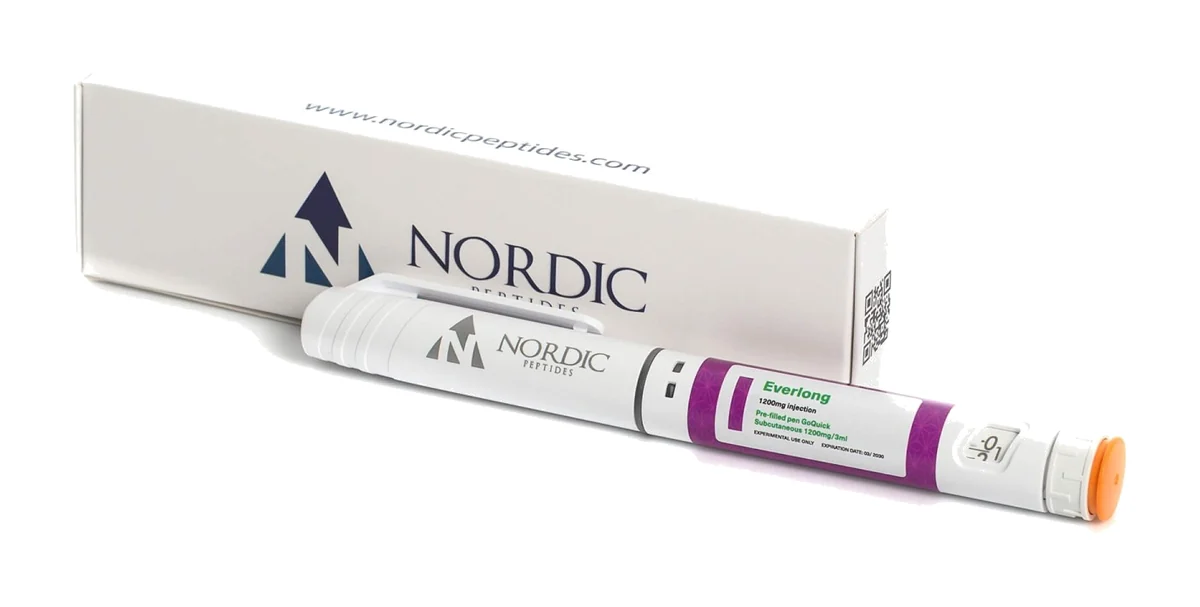
Our catalog lists what each product actually is: the item labelled NAD+ (Nicotinamide) is nicotinamide, the NMN item is nicotinamide mononucleotide, and Everlong is a combination that includes an NAD component with glutathione and resveratrol. Read the parenthesis on the label — across this market it is the only thing that tells you which molecule you are getting.
The human trial that exists
One randomised, placebo-controlled, double-blind trial anchors the field, published in Science in 2021 (Yoshino et al.):
- Population: postmenopausal women with prediabetes, overweight or obese
- Intervention: oral NMN, 250 mg/day, for 10 weeks
- Primary finding: muscle insulin sensitivity increased — roughly a 25% improvement in muscle glucose disposal — versus placebo, with changes in insulin signalling and muscle tissue remodelling
That is a real, positive, properly controlled result. It is also narrow: one small trial, one precursor, one dose, one population, ten weeks, and a metabolic endpoint rather than anything to do with ageing, energy or longevity. The paper drew a published technical comment and a response from the authors — normal scientific process, worth reading alongside the original if you care about the strength of the finding.
Notably, body weight, blood pressure, lipids, liver fat and other whole-body measures did not significantly change. The effect was tissue-specific.
What is not established
- That NAD+ administered directly does what a precursor does. The coenzyme is not efficiently taken up intact by cells, which is precisely why precursors are the research route.
- That any of it extends healthspan or lifespan in humans. That claim rests on model organisms, not on trials.
- Long-term safety at any dose. The 2021 trial ran ten weeks.
Why this matters for a supplier
It is the easiest category in this catalog to sell dishonestly — the words “NAD” and “longevity” do most of the work by themselves, and almost nobody checks which molecule is in the vial. The mechanism is genuinely well described; the human outcome data amounts to one small trial. Both halves of that sentence belong on the page.
If your interest is mitochondrial function more broadly, MOTS-c approaches the same organelle from a different direction, with a similar evidence gap between mechanism and human outcomes.
What we supply
NAD+ (Nicotinamide) 100 mg and 200 mg, NMN 1500 mg/3 ml, and the Everlong combination — Nordic Peptides, shipped as supplied by the manufacturer, batch documentation on request. Research use only — not for human or veterinary use.
References.
- Yoshino M, Yoshino J, Kayser BD, et al. Nicotinamide mononucleotide increases muscle insulin sensitivity in prediabetic women. Science 2021;372(6547):1224–1229.
- PubMed record for the NMN randomised trial (PMID 33888596).
- Response to Comment on "Nicotinamide mononucleotide increases muscle insulin sensitivity in prediabetic women" (PMID 34326209).
- Nicotinamide mononucleotide: a potential effective natural compound against insulin resistance. Signal Transduct Target Ther 2021.