Paying with USDT, USDC, Revolut or PayPal: how it works
Crypto settles itself, a card link takes one email. No card field on our site, no third-party checkout script, and why a crypto amount has to be exact.
27 August 2026 · updated 1 October 2026 · 4 min read
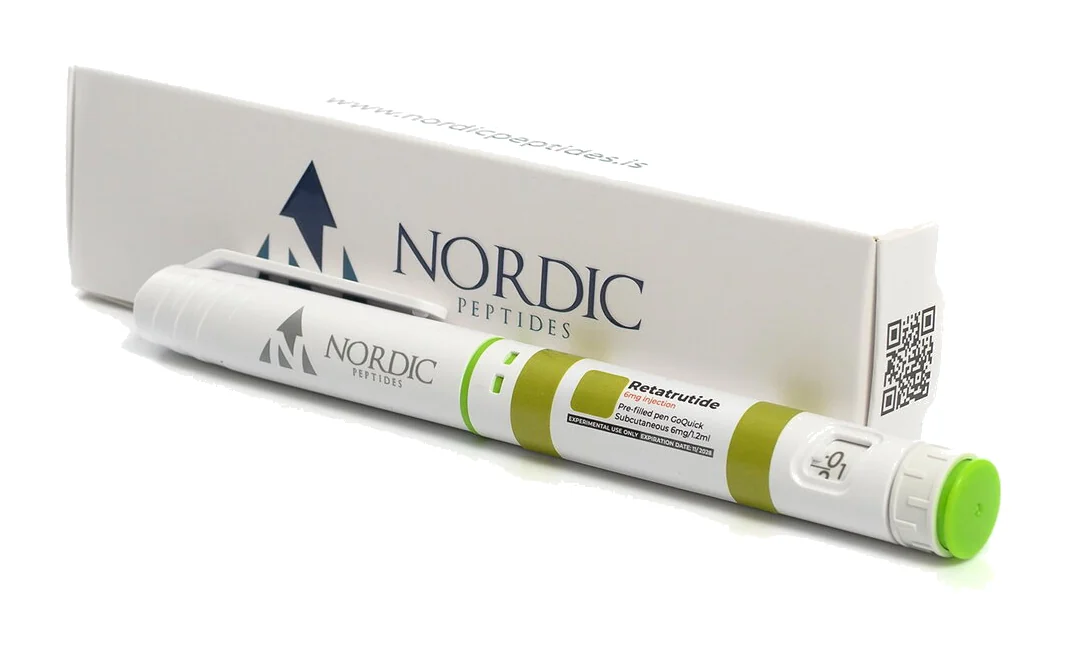 Retatrutide - 20mg
You choose the payment method on the checkout page itself, before anything is placed: crypto, or a card payment through Revolut or PayPal. There is no card field anywhere on this site — you never type a card number into our checkout, and no payment script loads into your browser from a provider’s servers.
A bank transfer is not on the list at the moment. We do not have a receiving account of our own to quote you, and a method we cannot honour does not belong on a checkout page. If and when that changes, it appears at checkout like the others — not as a promise in a paragraph.
Crypto: USDT or USDC, on Polygon, Ethereum or Tron
Pick the token and network at checkout and the invoice is created with the order. The moment the confirmation page loads you have three things: the receiving address, a QR code, and the exact amount to send.
Send that exact number. Payments are matched by amount down to the last decimal, which is what lets the confirmation be automatic — the order flips to confirmed on its own, and the confirmation email sends itself, usually within minutes of the network settling. Round the amount and a human has to reconcile it by hand, which costs you a day.
Two more things worth knowing:
- The invoice is valid for two hours. Past that it expires and a new one has to be issued — network fees do not care, but a stale address does.
- Network choice is yours, and it is a cost decision. Polygon and Tron settle cheaply; Ethereum will charge you more in gas than the difference is usually worth.
Refunds, if it ever comes to one, go back to the wallet that sent the payment, in the same token on the same network, at the number of tokens received rather than the EUR value on the day.
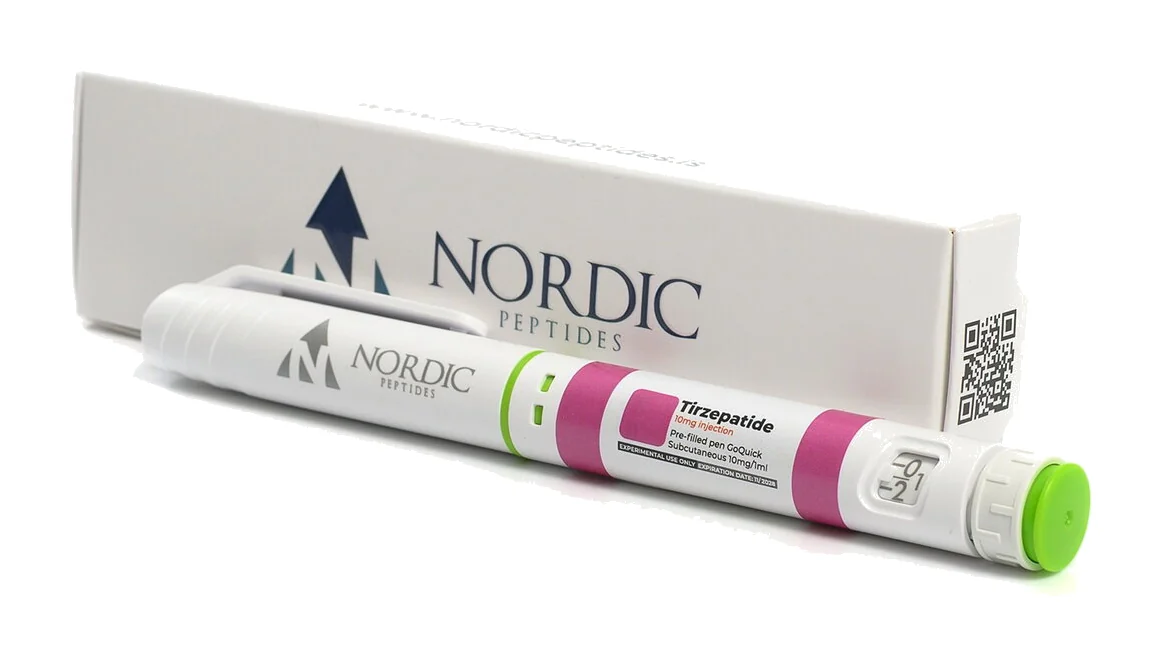
This is the fastest rail we have. If you want a bulk pen like Retatrutide 20 mg or Tirzepatide 10 mg packed the same day, crypto is how that happens.
Card payment: a link by email, not a card form
Prefer an ordinary card or a PayPal balance? Pick Card payment or PayPal at checkout and place the order as usual. The order is recorded straight away and sits marked as awaiting a payment link, and the confirmation email carries a secure link for the exact total — the goods, any discount, and the one flat fulfillment and delivery fee.
You pay on that link, on the provider’s own page, and we confirm the order as soon as the payment clears. If the link expires or you close the mail by accident, reply to it and we send a new one; nothing is lost and nothing has to be re-ordered.
The honest trade-off is time: a link is a message, so this rail costs a few minutes and occasionally an email exchange. Crypto costs nothing but the network fee and confirms itself.
Why there is no card field here
Card processors treat this category as high risk and either decline the merchant outright or price the account as if every order were a chargeback waiting to happen. Every shop in this market that shows a card logo is either paying for that in prices or is about to lose the processor.
We would rather run rails that actually work — a stablecoin invoice that confirms itself, and a provider-hosted payment link that never touches our server — than embed a card field in our own checkout and wait to find out what it costs us. A SEPA transfer will join them the day we hold an account that can actually receive one.
What checkout does not do
- No third-party payment script. Nothing loads from a payment provider’s servers into your browser on this site; the card and PayPal pages live on the provider’s domain, reached from the link in your email.
- No tracking cookie, no consent banner, no analytics vendor. Our own statistics are assembled on the server from a one-way hash that changes every midnight; the browser stores nothing at all. Details are on privacy and it is the reason you have never had to dismiss a cookie wall here.
- No stored card data, because no card is ever entered here — and we never see it.
Totals, coupons and the fee
The arithmetic is the same in the browser and on the server: goods, minus any discount, plus one flat fulfillment and delivery fee per order. A coupon reduces the goods, never the fee. Prices are in EUR everywhere, and a crypto invoice converts EUR to the token at the rate at the moment the invoice is created — which is another reason not to sit on one for two hours.
Items with no list price are quoted by email before anything is paid, and an order containing one waits for that quote — the total is not final yet, so there is nothing exact to send or to link.
Which to pick
Crypto if you want the order confirmed today and moving today. Card or PayPal if you would rather pay the way you pay for everything else and can spare a few minutes for the email.
Never used a stablecoin before? The step-by-step guide to paying with crypto covers the whole thing from opening an exchange account to pressing send, including the five mistakes that cost people a day.
Either way the rest of the path is identical: same-day packing, plain box, tracking number by email — the whole route is here. Fill a basket from the catalog, or start at the front page.
Research use only. Not for human or veterinary use, and nothing on this page is medical advice.