SARMs: the phase 3 exists, and it missed its endpoints
This class is usually sold with the word 'clinical' attached. There is real clinical work behind it — two phase 3 trials — and knowing what they found is the difference between an informed buyer and a marketed-to one.
23 August 2026 · 3 min read
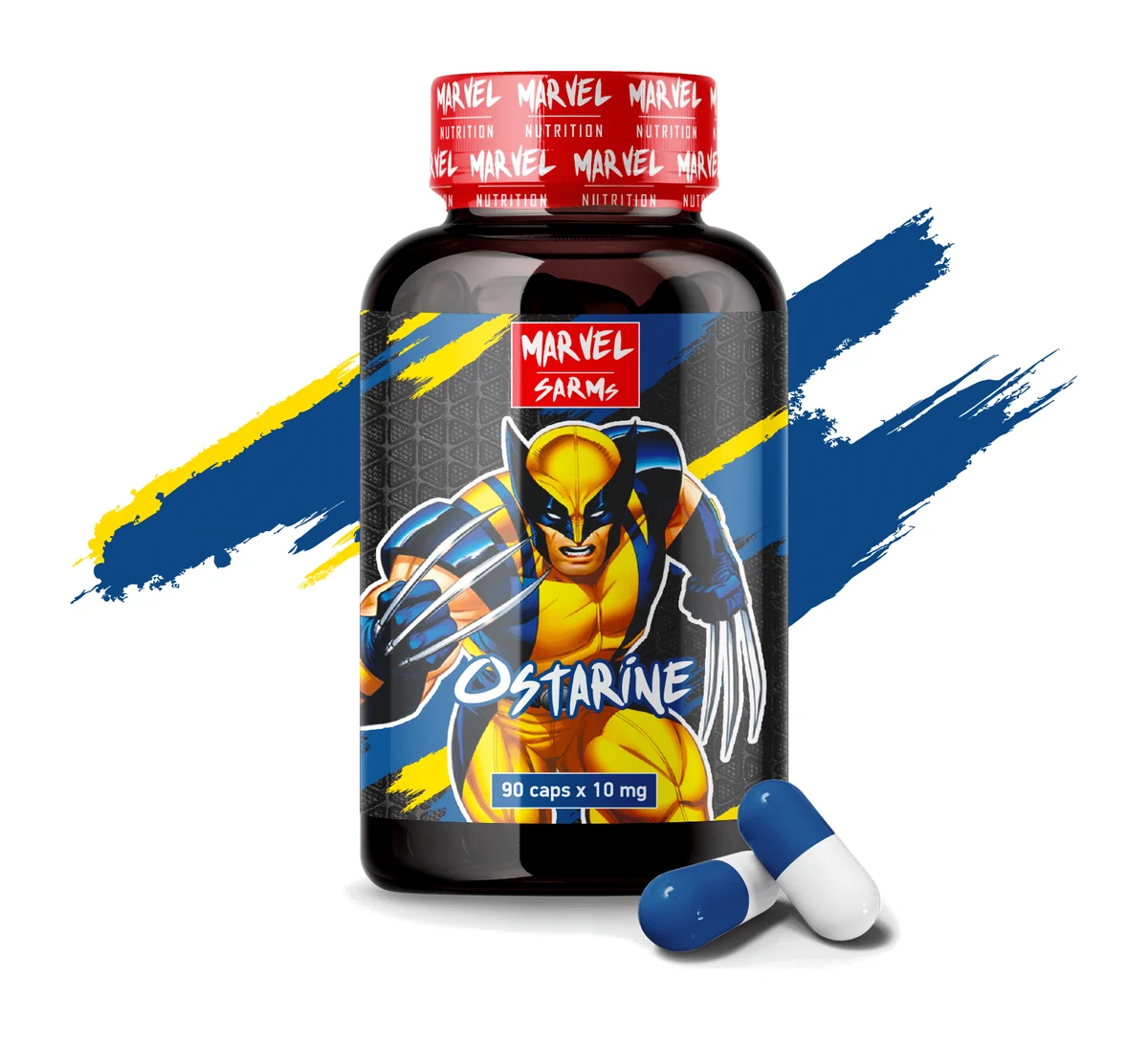 Ostarine
Almost everything written about SARMs online falls into one of two camps: the supplement-adjacent version where they are safe steroids, and the alarmed version where they are poison. The actual literature is more specific than either, and more useful.
What they are
Selective androgen receptor modulators bind the androgen receptor with tissue selectivity — the design intent being anabolic effects in muscle and bone without the full androgenic profile of testosterone. That is a coherent pharmacological idea, and it is why real pharmaceutical companies pursued it.
Ostarine (enobosarm, MK-2866) is the one that went furthest.
The trials that were run
Phase 2 results were encouraging. In healthy elderly men and postmenopausal women (n=120), enobosarm produced dose-dependent gains in lean body mass and improved stair-climb power over 12 weeks. A phase 2 cancer-cachexia trial (n=159) also improved lean body mass.
On that basis, GTx ran POWER 1 and POWER 2 — two identically designed randomised, double-blind, placebo-controlled phase 3 trials in patients starting first-line chemotherapy for non-small-cell lung cancer, with co-primary responder endpoints of lean body mass and physical function agreed with the FDA.
The result: the trials failed to meet the overall criteria for the co-primary endpoints. Lean body mass reached significance in one trial and not the other (p=0.036 and p=0.113 at day 84); the physical-function endpoint missed in both (p=0.315 and p=0.289).
Read that carefully, because both halves matter. The compound did something measurable to lean mass — the signal was real and reproducible in one of two identical trials. It did not translate into the functional benefit the endpoint required. Enobosarm has never been approved.
The safety file
This is the part the “safer than steroids” framing gets wrong.
Drug-induced liver injury is the dominant adverse event in the published case literature on SARMs, with a growing series of reports of acute hepatotoxicity — including in adolescents — after use of products bought as supplements or research chemicals. In 2017 the FDA issued a public warning about SARMs sold in supplements, naming life-threatening reactions including liver toxicity.
Case reports are not incidence data, and self-reported use of unregulated products makes attribution hard. But the pattern is consistent enough, and specific enough to one organ system, that anyone treating this class as consequence-free is not reading the same literature.
The rest of the class
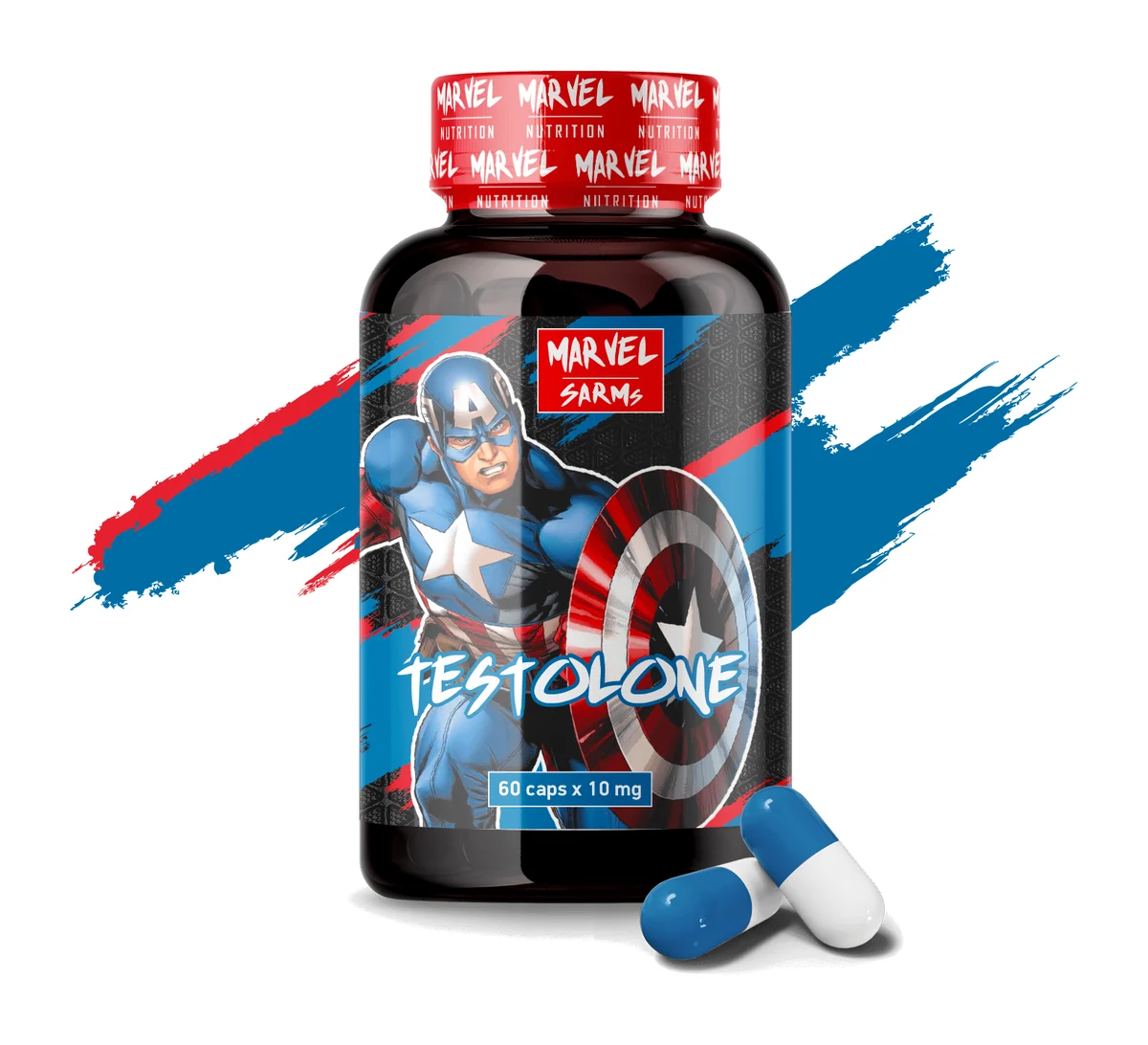
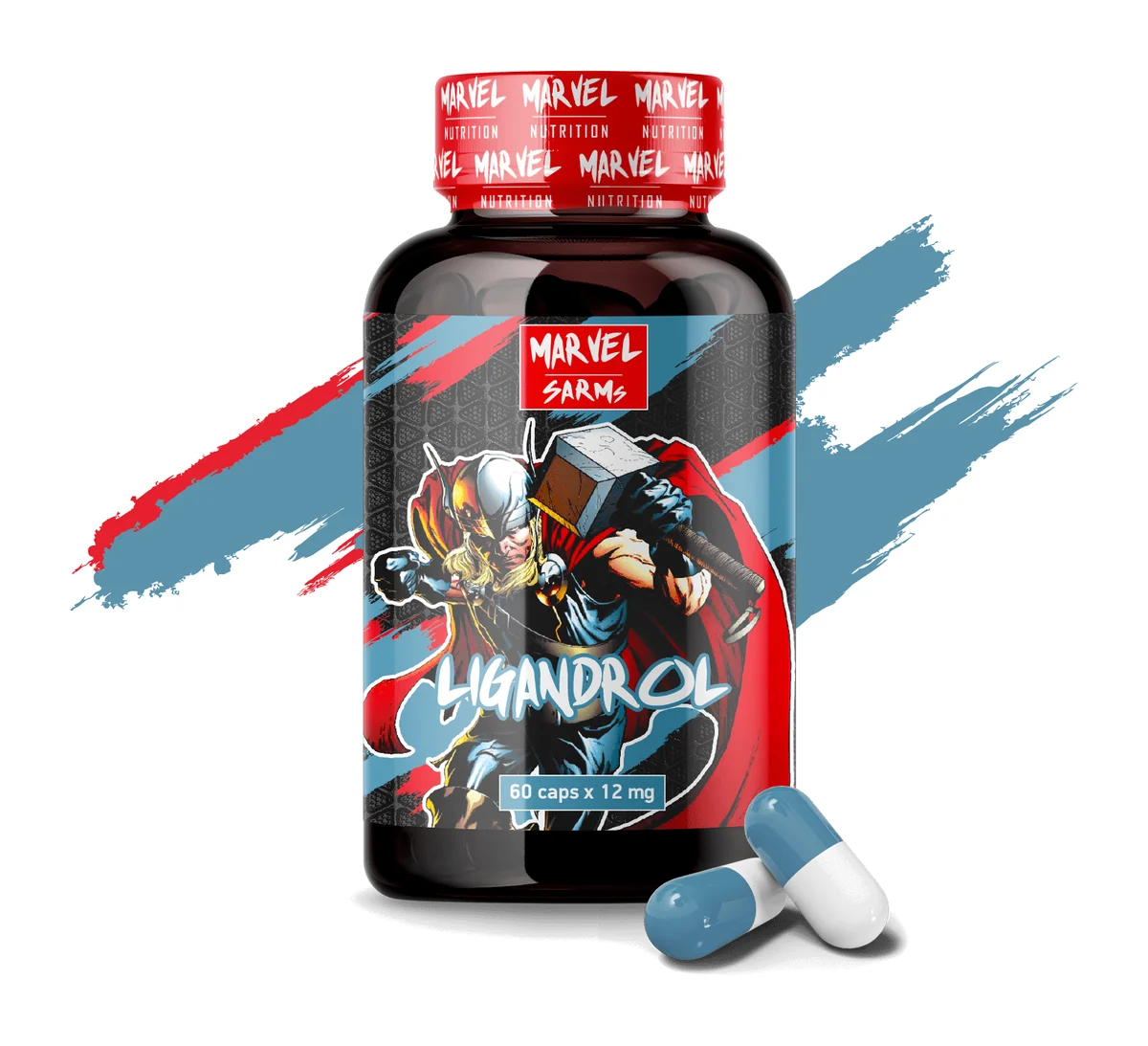
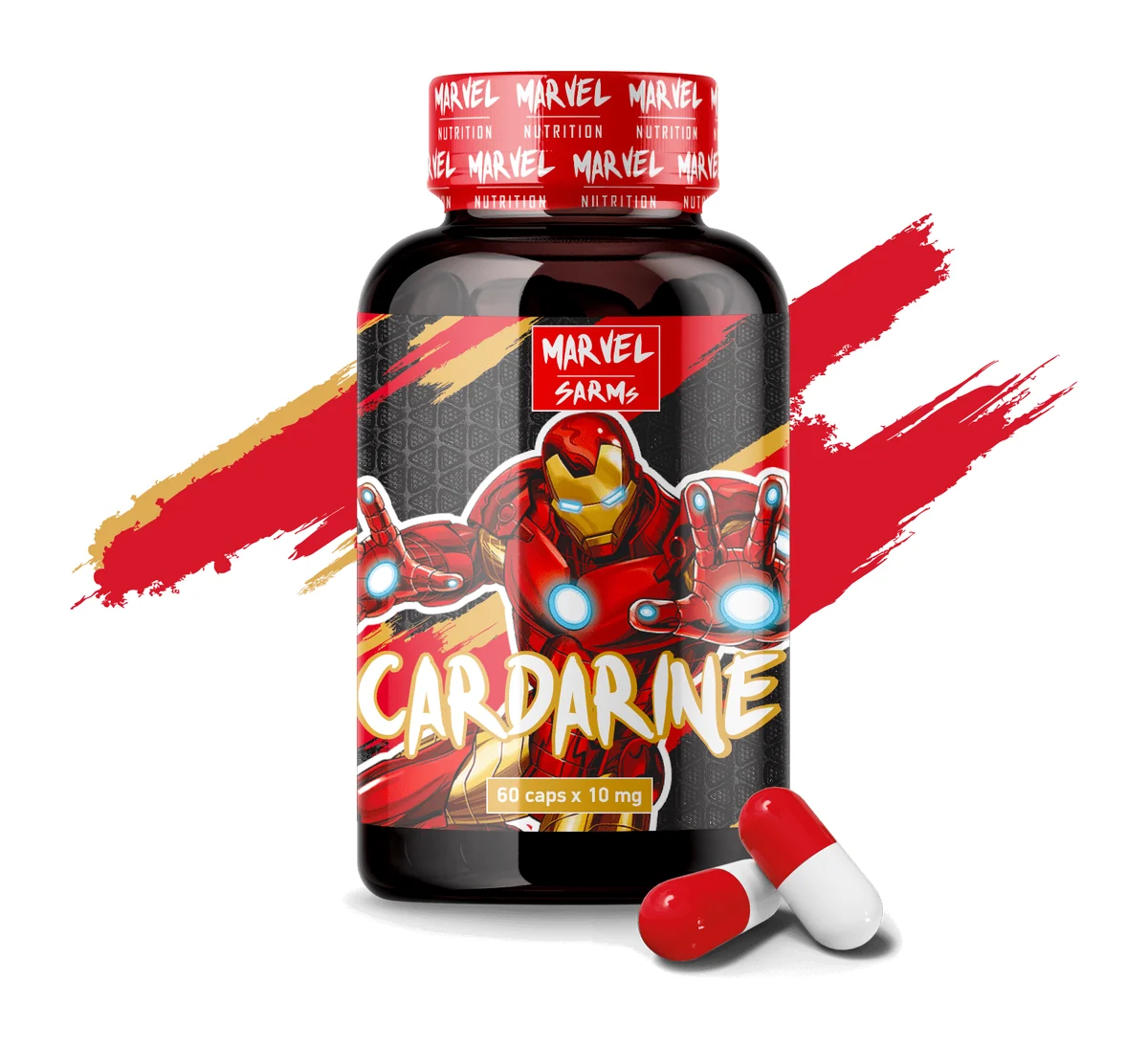
The compounds beside ostarine have thinner files, not thicker ones. RAD-140 (testolone), LGD-4033 (ligandrol) and YK-11 have early-phase or purely preclinical data behind them; none has a completed phase 3. Cardarine (GW501516) is not a SARM at all — it is a PPARδ agonist, a different mechanism entirely, and its development was halted after carcinogenicity findings in animal studies. It is grouped with SARMs by retailers, not by pharmacology.
All are prohibited in sport at all times under the WADA S1.2 category, and appear regularly in adverse analytical findings.
Why we sell them anyway, and how
Because they are legitimate research compounds with real literature, and because a supplier that only stocks what is flattering is not a supplier, it is a marketing exercise. What we will not do is describe them the way the rest of this market does.
Our SARMs are Marvel Nutrition products, supplied as tablets or capsules, in the manufacturer’s own packaging — the presentation is stated on each product page. We publish no purity claim we cannot source; where a manufacturer publishes no lab report, we say so rather than filling the gap.
Research use only. Not for human or veterinary use — and in this class more than any other on this site, that sentence is doing real work.
References.
- Crawford J, Prado CMM, Johnston MA, et al. Study Design and Rationale for the Phase 3 Clinical Development Program of Enobosarm (POWER trials). Curr Oncol Rep 2016 (PMID 27138015).
- Lambert CP. Should the FDA's criteria for the clinical efficacy of cachexia drugs be changed? Is Ostarine safe and effective? J Cachexia Sarcopenia Muscle 2021.
- Selective Androgen Receptor Modulator Induced Hepatotoxicity (PMC8929477).
- Selective androgen receptor modulator use and related adverse events including drug-induced liver injury: analysis of suspected cases (PMC10847181).