TB-500 and thymosin β4: the clinical trials are real, but they are eye drops
Thymosin β4 has been through randomised, placebo-controlled human trials — including a phase 3. Almost none of that work involves the injectable fragment sold as TB-500, and the difference is the whole story.
19 August 2026 · 2 min read
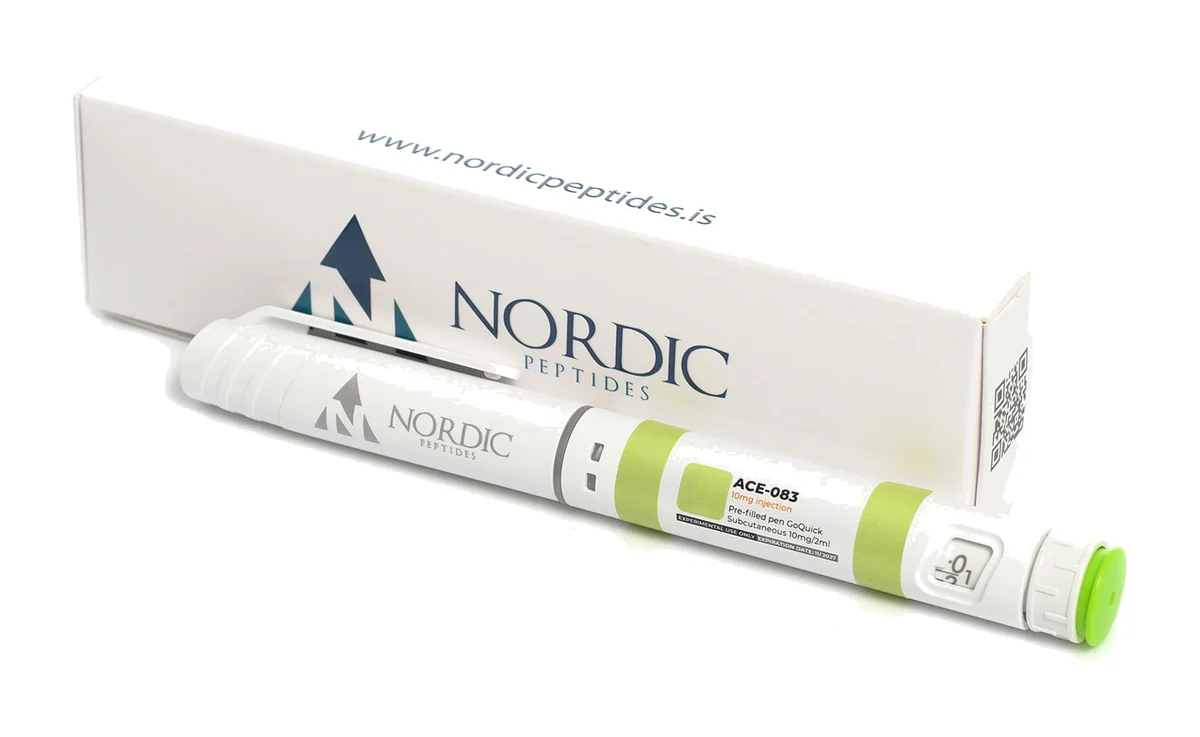
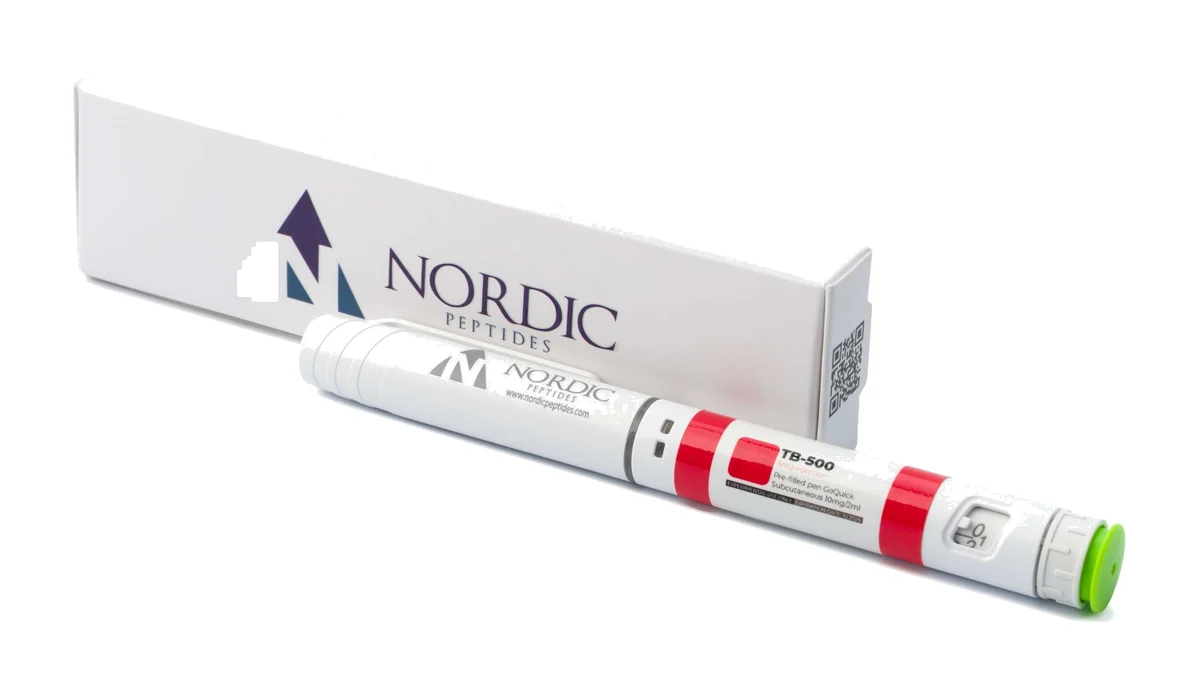 TB-500 (Thymosin beta-4) - 5mg
Thymosin β4 is one of the few repair-associated peptides with genuine randomised human trial data behind it. It is also one where the gap between the published work and the product on the shelf is unusually wide, so this page starts there.
Two different things with similar names
Thymosin β4 (Tβ4) is a 43-amino-acid protein present in nearly every cell type. Its best-characterised function is actin sequestering: it binds monomeric G-actin and regulates the polymerisation that drives cell migration — which is why it turns up in wound-healing research.
TB-500 is a synthetic fragment, the region of Tβ4 associated with actin binding, sold as research material. It is routinely described as though it were Tβ4 itself. It is not the same molecule, and the human trials were run on the full protein.
What the human trials show
The clinical programme, run under the development name RGN-259, is ophthalmic — a topical eye drop, not an injection.
- Dry eye, phase 2 (Cornea, 2015): a randomised, placebo-controlled trial reporting improvements in corneal staining and symptom scores against placebo.
- Neurotrophic keratopathy, phase 3 (SEER-1): randomised, placebo-controlled, double-masked. 60% of RGN-259-treated participants achieved complete corneal healing by day 29, against 12.5% on placebo, with healing maintained at day 43.
Those are real results, properly conducted, and they support one clear statement: thymosin β4 promotes epithelial healing when applied topically to an injured cornea. Later phase 3 work in dry eye produced mixed outcomes across endpoints and has not so far produced an approval.
What none of this establishes is what a subcutaneous injection of a Tβ4 fragment does to a tendon, a muscle or a heart in a human being. That work has not been done.
The preclinical picture
The animal literature is broader — cardiac repair after infarction, dermal wound healing, corneal injury, tendon and ligament models — and it is the basis of the compound’s reputation in sports contexts. As with BPC-157, the pattern is consistent across models and species, and as with BPC-157, consistency in animals is not the same as a human effect.
Regulatory status
Thymosin β4 is on the WADA Prohibited List and is banned at all times, in and out of competition. It is not an approved medicine in the EU or the US. Anyone subject to anti-doping testing should treat both Tβ4 and TB-500 as disqualifying.
Practical notes
- Name your molecule. If you are designing work around the published trials, those used full-length Tβ4 topically. A study on TB-500 injected subcutaneously is a different study, and should be described as one.
- Route matters here more than usual. The strongest data in this compound’s file is topical and local. Systemic administration is a separate pharmacological question.
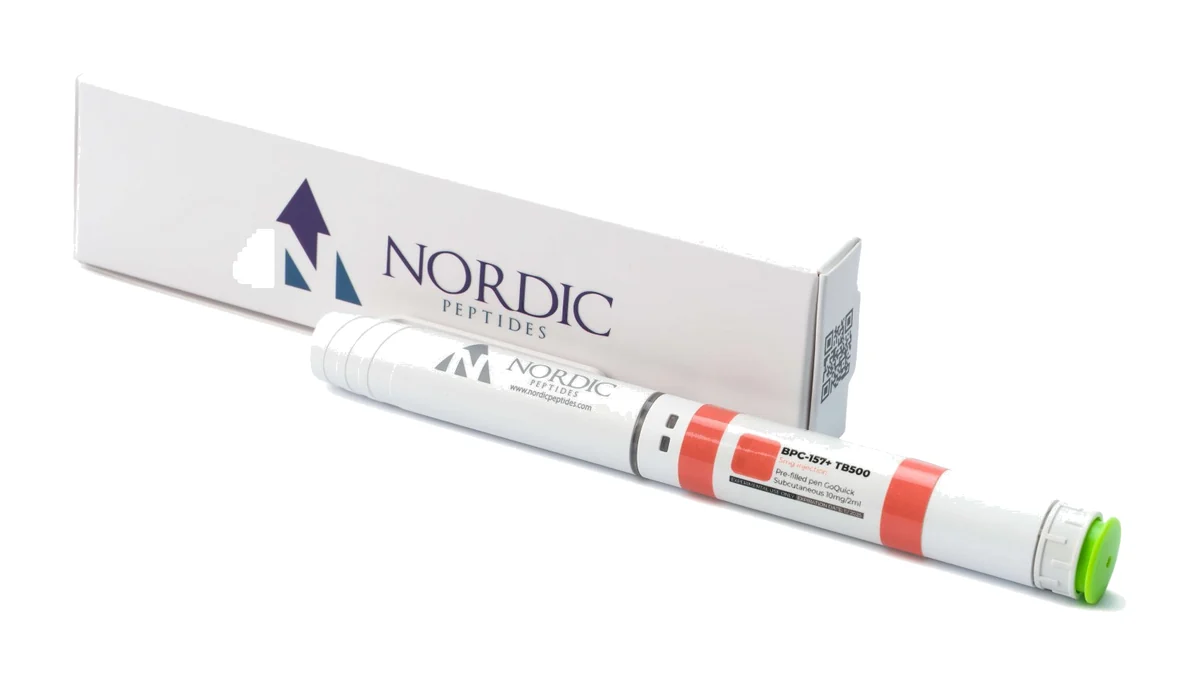
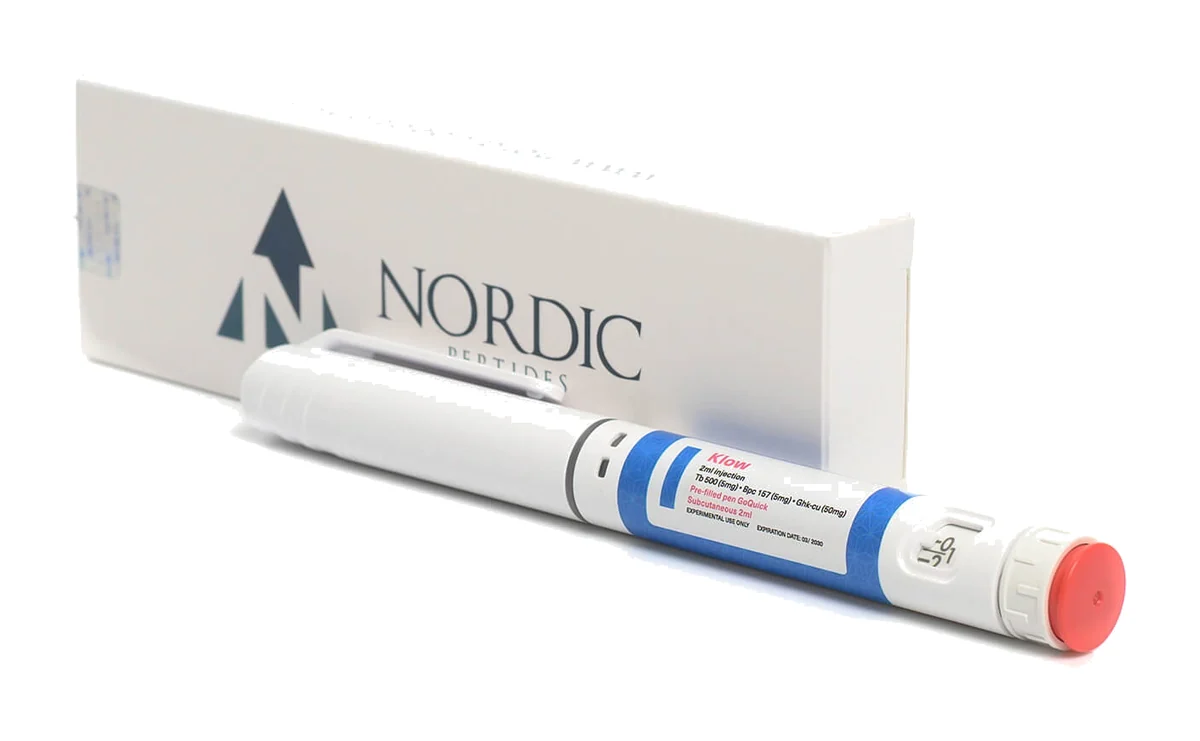
- Blends. TB-500 is most often supplied with BPC-157, and in our catalog also inside the three-component Klow blend. Two repair-associated peptides in one preparation cannot be attributed separately.
What we supply
TB-500 (thymosin β4) 5 mg, the BPC-157 + TB-500 blend and the Klow blend, Nordic Peptides, shipped as supplied by the manufacturer, batch documentation on request. Research use only — not for human or veterinary use.
References.
- Sosne G, Dunn SP, Kim C. Thymosin beta 4 ophthalmic solution for dry eye: a randomized, placebo-controlled, Phase II clinical trial. Cornea 2015 (PMID 26056426).
- 0.1% RGN-259 (Thymosin β4) Ophthalmic Solution Promotes Healing and Improves Comfort in Neurotrophic Keratopathy Patients — randomized, placebo-controlled, double-masked Phase III trial (SEER-1).
- Sosne G, et al. RGN-259 (thymosin β4) improves clinically important dry eye efficacies in comparison with prescription drugs in a dry eye model. Sci Rep 2018;8:10500.
- World Anti-Doping Agency — Prohibited List (thymosin β4 is prohibited at all times).