Testosterone and cardiovascular outcomes: what was measured
The one cardiovascular outcome trial in 5,246 men used a daily gel. No injectable ester has outcome data of its own.
7 October 2026 · 7 min read
 Testosterone Enanthate
Testosterone and cardiovascular risk is the one testosterone question with a hard number behind it, and the number comes from a formulation this shop does not sell. That is the interesting part, and it is the reason the page exists.
The one trial that measured cardiac events
TRAVERSE randomised 5,246 men aged 45 to 80 who had symptoms of hypogonadism, two fasting testosterone values below 300 ng per decilitre, and either pre-existing cardiovascular disease or a high risk of it. The intervention was a daily transdermal 1.62% testosterone gel, adjusted so that levels stayed between 350 and 750 ng per decilitre. The comparator was placebo gel.
The primary safety endpoint was a composite: death from cardiovascular causes, non-fatal myocardial infarction, or non-fatal stroke. It happened in 182 men on testosterone (7.0%) and 190 on placebo (7.3%). The hazard ratio was 0.96, with a 95% confidence interval of 0.78 to 1.17, and the trial was designed as a noninferiority study, so it reports P<0.001 for noninferiority rather than a superiority result. Mean treatment lasted 21.7 months with a standard deviation of 14.1, and mean follow-up 33.0 months with a standard deviation of 12.1.
So the honest one-line reading is: over roughly three years of observation in men who already had cardiovascular risk, a replacement gel did not produce more major cardiac events than an inert gel, and it was not designed to show fewer.
What the trial reports that is not in the headline
The abstract of the same paper records a higher incidence of atrial fibrillation, acute kidney injury and pulmonary embolism in the testosterone group. Those three are the price of the noninferiority result and the paper prints them in the same paragraph as it. The abstract gives no event counts and no confidence intervals for any of the three, so this page cannot say how large the difference between the arms was.
There is also a discrepancy in the record itself worth naming rather than smoothing over. A 2025 review of TRAVERSE prints mean treatment duration as 27.1 months. The primary publication prints 21.7 months of treatment and 33.0 months of follow-up. Both are in PubMed, both are correct as far as they go, and they are not the same quantity. If you are checking a claim about how long the trial ran, this is where the two numbers come from.
The two meta-analyses, and what they pool
The 2025-endpoint picture is not built on one trial. A 2024 meta-analysis pooled 26 randomised trials with 10,941 participants and found no statistically significant difference between testosterone and control for all-cause mortality, cardiovascular mortality, myocardial infarction, stroke, congestive heart failure, atrial fibrillation, pulmonary embolism or venous thrombosis. Meta-regression found no significant association with age, diabetes, hypertension, dyslipidaemia or smoking.
A second 2024 meta-analysis, 30 randomised trials and 11,502 patients with a mean age around 61.6 to 61.8, reached the same place with numbers rather than with words. Any cardiovascular event: odds ratio 1.12, 95% confidence interval 0.77 to 1.62, P=0.55. Stroke: 1.01, 0.68 to 1.51. Myocardial infarction: 1.05, 0.76 to 1.45. All-cause mortality: 0.94, 0.76 to 1.17, P=0.57. Cardiovascular mortality: 0.87, 0.65 to 1.15, P=0.31.
Read those intervals. Every one of them crosses 1.0 and several are wide enough to contain a meaningful harm as well as a meaningful benefit. “No significant difference” here is a statement about precision, not a demonstration of equivalence in every subgroup.
Why the esters are not in that evidence base
The esters on this shelf behave differently from the gel that was actually tested, and the difference is pharmacokinetic, not cosmetic. A 2004 review, written before TRAVERSE existed, states the problem plainly: parenteral esters given every two to three weeks produce strongly fluctuating plasma testosterone, outside the physiological range at least half the time, and the estradiol generated is usually supraphysiological.
Older direct human work is where that came from. A 1976 study in normal and hypogonadal men measured plasma testosterone and luteinising hormone after intramuscular preparations and found levels above the lower physiological limit for one day after 25 mg testosterone propionate, two days after 50 mg testosterone propionate, and fourteen days after 250 mg testosterone enanthate, with luteinising hormone suppressed for the matching periods.
Compare that with how TRAVERSE was run: a gel titrated daily into a 350-750 ng per decilitre band. An ester cannot be titrated to a target the same way, because the peak, the trough and the interval between injections are all decided by the ester and the schedule. So the trial that settles the cardiovascular question was not run with the product class most people mean when they ask the question, and no ester has an outcome trial to stand in for it.
The efficacy side of the same trial
The same trial produced a nested substudy on the symptoms, because the population was selected for them. Of 5,204 men, 1,161 who reported low libido entered the substudy, 587 on gel and 574 on placebo. The between-group difference in sexual activity score was 0.49 acts per day (95% confidence interval 0.19 to 0.79) at six months and 0.47 (0.11 to 0.83) at twelve months, omnibus P=.011, and the effect was maintained at 24 months. Hypogonadal symptoms and sexual desire improved. Erectile function did not.
That last clause is the one usually left out. The endpoint that did not move is the endpoint most men are asking about, and it did not move in a randomised trial of 1,161 men on two years of replacement.
Where this sits on the shelf
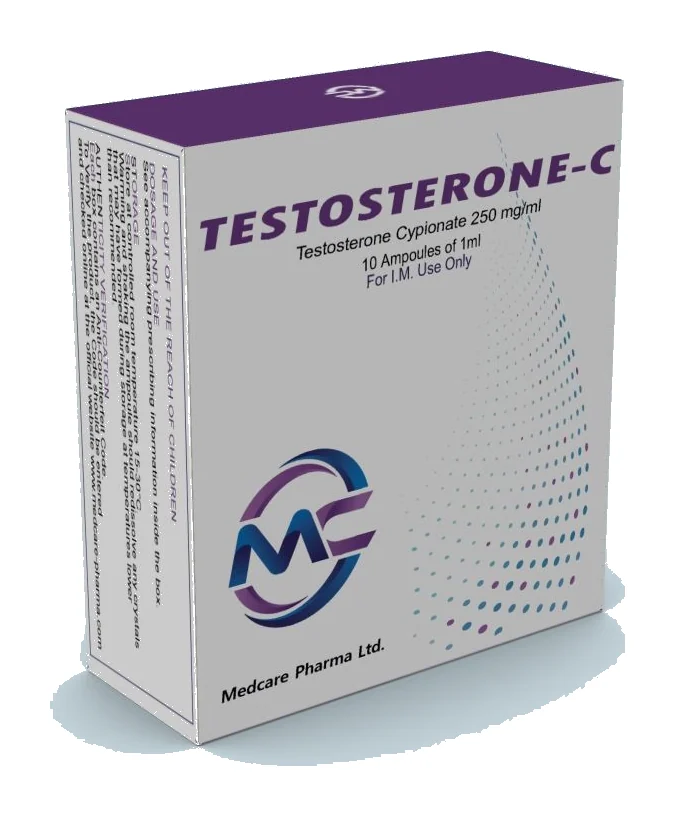
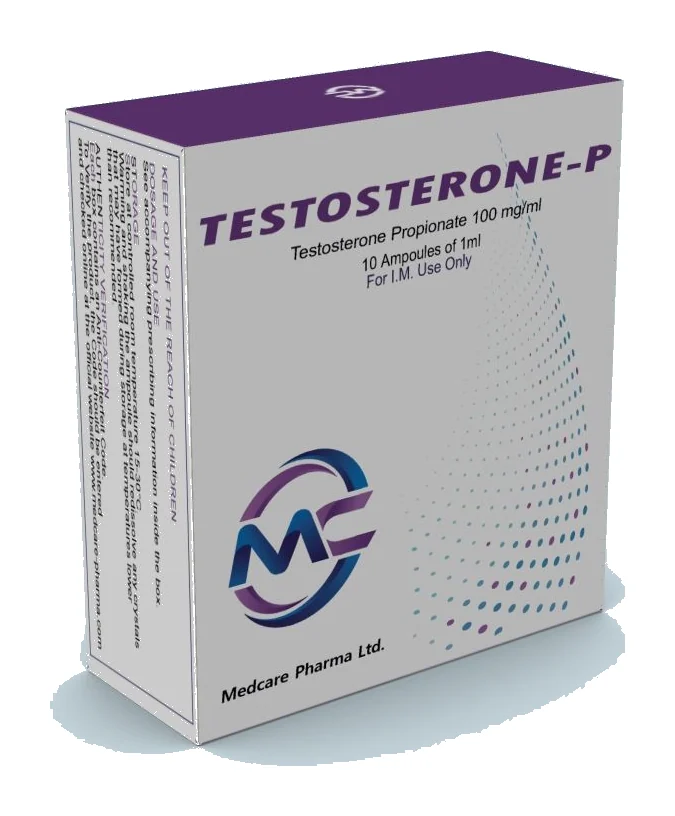
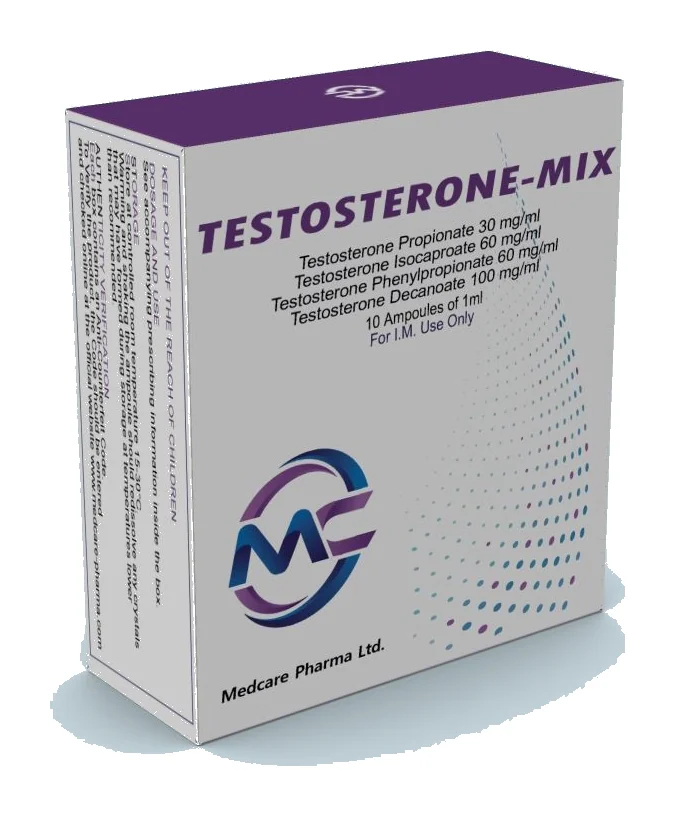
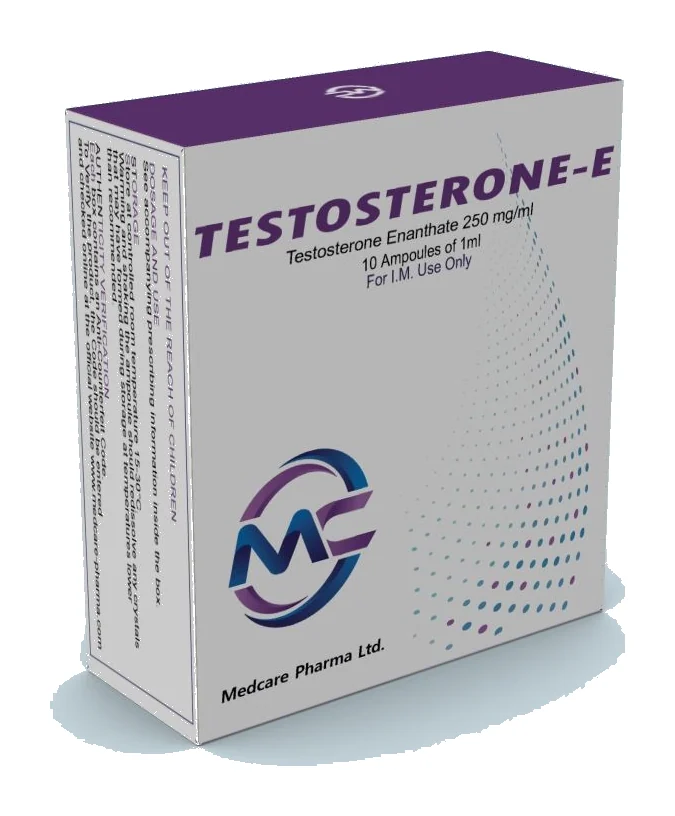
The esters this page is about are testosterone enanthate, testosterone cypionate, testosterone propionate and the testosterone blend. For the recombinant side of the same axis, somatropin against the secretagogues is the companion page on this desk.
What the data do not show
They do not show a cardiovascular outcome for any injectable ester, because the only trial with a hard event endpoint used a gel. They do not show an event count for atrial fibrillation, acute kidney injury or pulmonary embolism, because the abstract does not print one. They do not show a result in healthy men with normal testosterone, because the population was selected for symptoms plus two low readings. They do not show what happens above the physiological range, because levels were titrated into a band and the esters were never studied that way. And they do not show that erectile function improves, because in the one randomised substudy of that endpoint it did not.
What we supply
The testosterone preparations above, as supplied by the manufacturer, tracked, from inside the EU.
Research use only. This page summarises published studies for research reference. It is not medical advice, not a protocol, and not a suggestion for human use. Nothing we supply is for human or veterinary use.
References.
- Lincoff AM, Bhasin S, Flevaris JA, et al. Cardiovascular safety of testosterone-replacement therapy. N Engl J Med 2023;389(2):107-117.
- Hackett GK. Long term cardiovascular safety of testosterone therapy: a review of the TRAVERSE study. World J Mens Health 2025;43(2):282-290.
- Krishnan S, Aldana-Bitar Y, Golub R. Testosterone replacement therapy and cardiovascular risk: TRAVERSE with caution. Prog Cardiovasc Dis 2024;86:73-74.
- Sood P, Hosseinpour M, Sood P. Cardiovascular outcomes of hypogonadal men receiving testosterone replacement therapy: a meta-analysis of randomized controlled trials. Endocr Pract 2024;30(1):2-10.
- Jaiswal D, Sawhney G, Nebuwa J, et al. Association between testosterone replacement therapy and cardiovascular outcomes: a meta-analysis of 30 randomized controlled trials. Prog Cardiovasc Dis 2024;85:45-53.
- Pencina MJ, Travison TG, Cunningham GR, et al. Effect of testosterone replacement therapy on sexual function and hypogonadal symptoms in men with hypogonadism. J Clin Endocrinol Metab 2024;109(2):569-580.
- Gooren RLG, Bunck MC. Androgen replacement therapy: present and future. Drugs 2004;64(17):1861-1891.
- Nieschlag E, Cuppers HP, Wiegelmann W. Bioavailability and LH-suppressing effect of different testosterone preparations in normal and hypogonadal men. Horm Res 1976;7(3):138-145.
10% off every product in your first order
Join the list for your welcome code plus early access to new research arrivals. No spam — unsubscribe anytime.