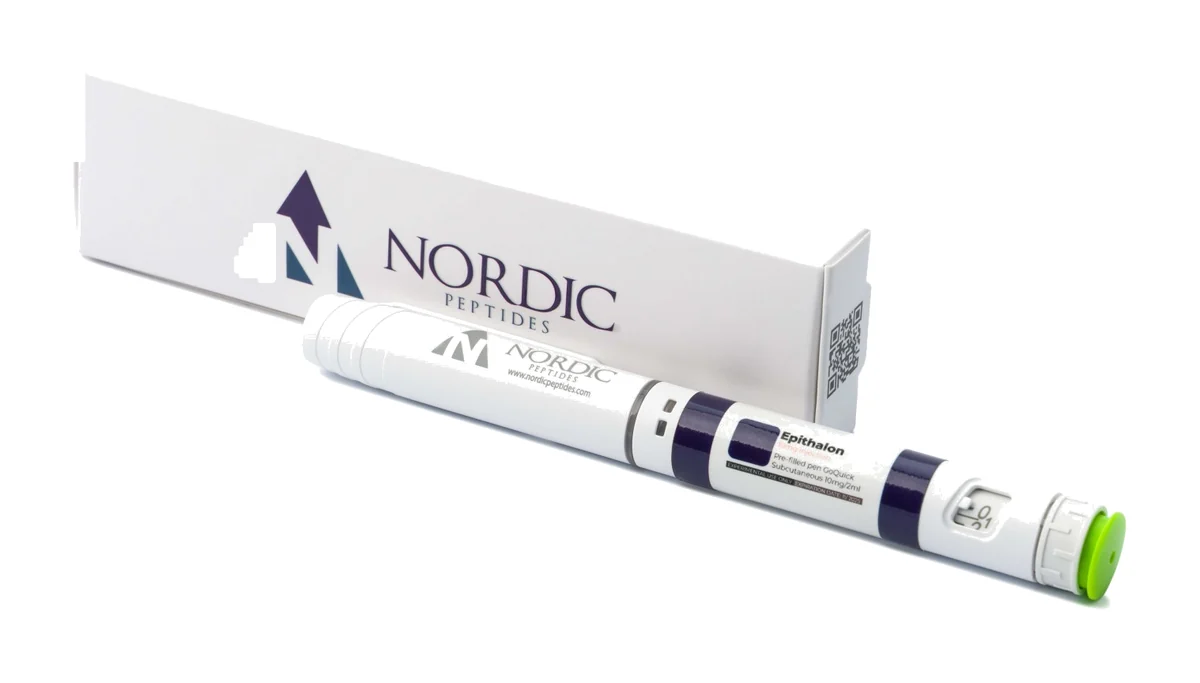
Thymalin and the Khavinson bioregulators: forty years of data from one institute
The longest human follow-up of any compound in this catalog — 266 elderly patients over six to eight years — and the reason mainstream medicine still has not acted on it.
23 August 2026 · 2 min read
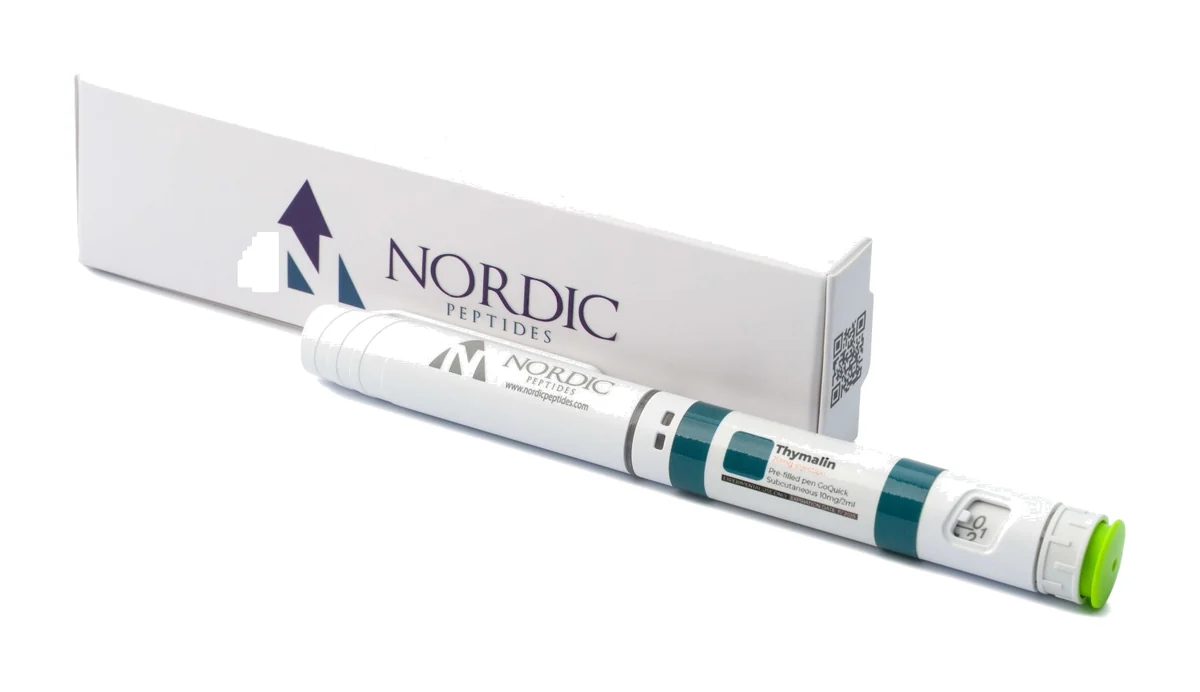 Thymalin - 20mg
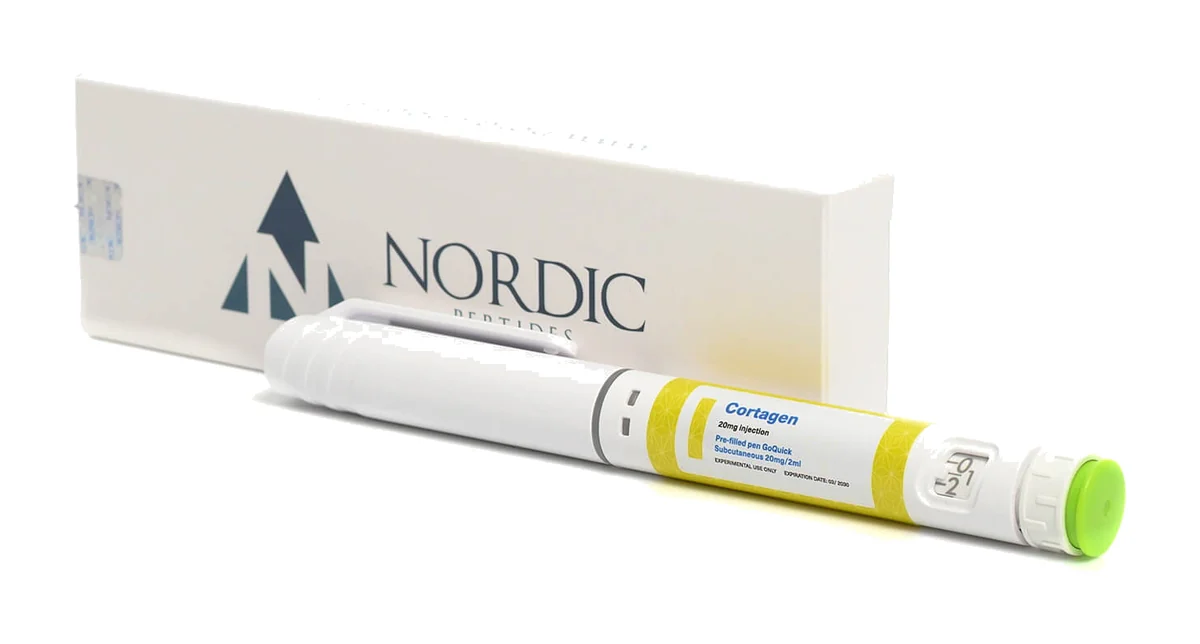
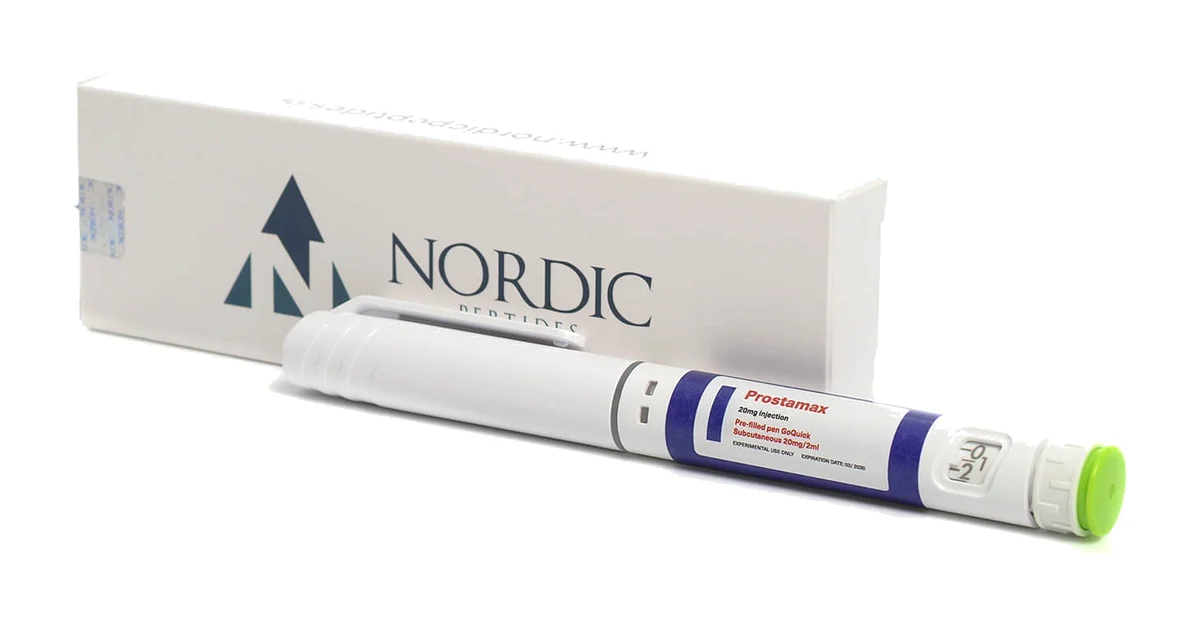
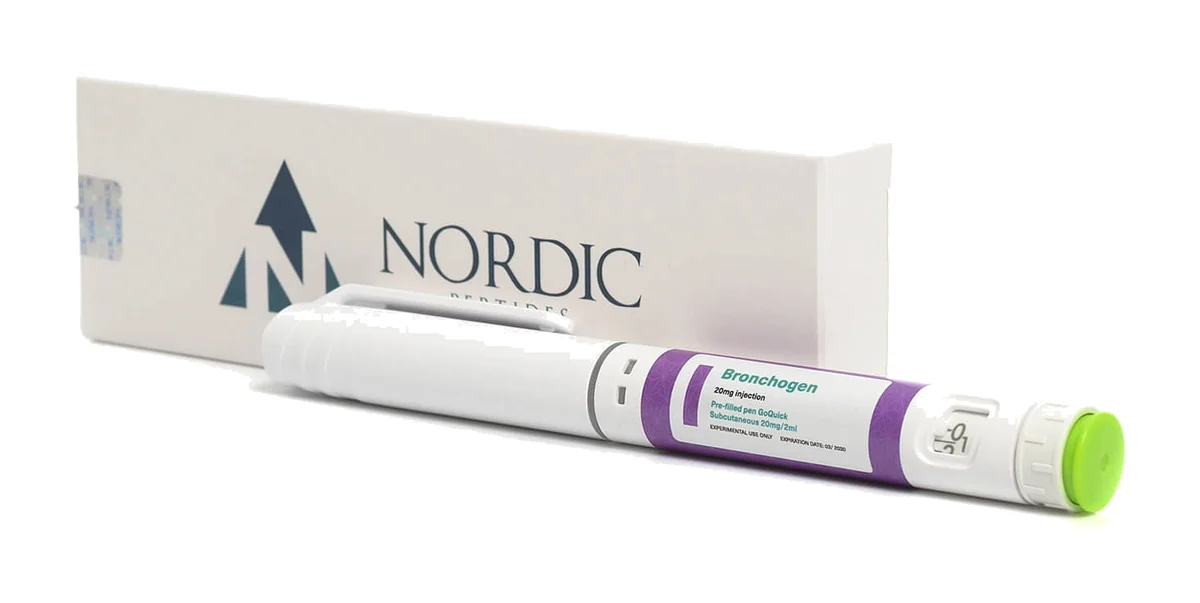
Thymalin is a thymic peptide preparation developed by Vladimir Khavinson’s group in St Petersburg, part of a family of tissue-specific “peptide bioregulators” — Cortagen from brain tissue, Prostamax from prostate, Bronchogen from bronchial tissue, and a dozen more, each proposed to act on the organ it came from.
It is the oddest corner of this catalog, and the one where the gap between “amount of data” and “amount of accepted data” is widest.
The claim, and the study behind it
The bioregulator hypothesis is that short peptides derived from a given tissue carry regulatory information for that tissue, and that supplying them restores age-degraded function.
The strongest human dataset supporting it is a long-running study of 266 elderly patients followed for six to eight years, receiving Thymalin, Epithalamin, or both. The published reports describe normalisation of immune markers, improved endocrine regulation and — the claim that gets quoted most — reduced mortality in the treated groups over the follow-up.
That is a longer human follow-up than anything else discussed on this site. Retatrutide’s pivotal trial ran 48 weeks. This one ran years.
Why it has not changed practice
Four structural problems, none of them about the size of the effect:
- Single-source. The overwhelming majority of bioregulator research comes from one small cluster of affiliated institutions in St Petersburg. The corrective function of independent replication — which is what catches artefacts and methodological problems — has rarely been applied here.
- Blinding and randomisation. The long-follow-up work is controlled but not fully blinded by contemporary standards, and mortality endpoints in unblinded studies are vulnerable to exactly the kind of differential care that blinding exists to prevent.
- Publication venue and language. Most of it appears in Russian-language gerontology journals with limited international indexing, and the same translation gap that affects Semax and Selank applies.
- Mechanism. The proposal that tissue-derived short peptides carry organ-specific regulatory information is not, on its face, impossible — but it has not been demonstrated by the kind of molecular work that would make Western reviewers comfortable with the clinical claims.
The honest position is not “it is nonsense” and not “it works and they are ignoring it”. It is that a large body of work exists, it has never been independently replicated to modern standards, and until it is, it sits outside what anyone can responsibly present as established.
What that means if you are buying
Two things.
If you are working in this area, you are working at the frontier of an evidence base that is not settled — which is a legitimate place to work, and precisely what a research catalog should serve. Treat the published results as hypotheses worth testing rather than as findings to build on.
And if you came here because a wellness site told you these are proven anti-ageing compounds: they are not. That claim rests on studies nobody outside one institute has reproduced.
What we supply
Thymalin 20 mg, Cortagen, Prostamax, Bronchogen and the rest of the bioregulator line, Nordic Peptides, shipped as supplied by the manufacturer, batch documentation on request. Presentation and storage instructions are the manufacturer’s own, on each product page.
Research use only. Not for human or veterinary use — and in a category this unsettled, that boundary is the whole point.
References.
- Khavinson VKh, et al. Peptide bioregulators: a new class of geroprotectors. Report 2: results of clinical trials. Adv Gerontol 2014 (PubMed record, PMID 24003726).
- Peptide bioregulators: A new class of geroprotectors, report 2 — publisher record.
- Khavinson VKh, Kuznik BI. Peptide Bioregulators (institute monograph, 2014).