SARMs part 2: the one with trials, and the four with none
Part 1 covered the compounds with phase 2 and phase 3 programmes. The five left — ibutamoren, stenabolic, andarine, S-23, YK-11 — split into one with three real human trials and an ugly safety footnote, and four with no human efficacy data at all. Two of the five are not even SARMs.
28 September 2026 · 4 min read
 Ibutamoren
Part 1 covered ostarine, testolone, ligandrol and cardarine — the compounds with phase 2 data, a phase 3 programme, or a halted development with a documented reason. Five catalog compounds were left without an article. This is their article, and its structure is uneven on purpose: one of the five has a genuine clinical file, and the other four have nothing in humans to report. That asymmetry is the finding.
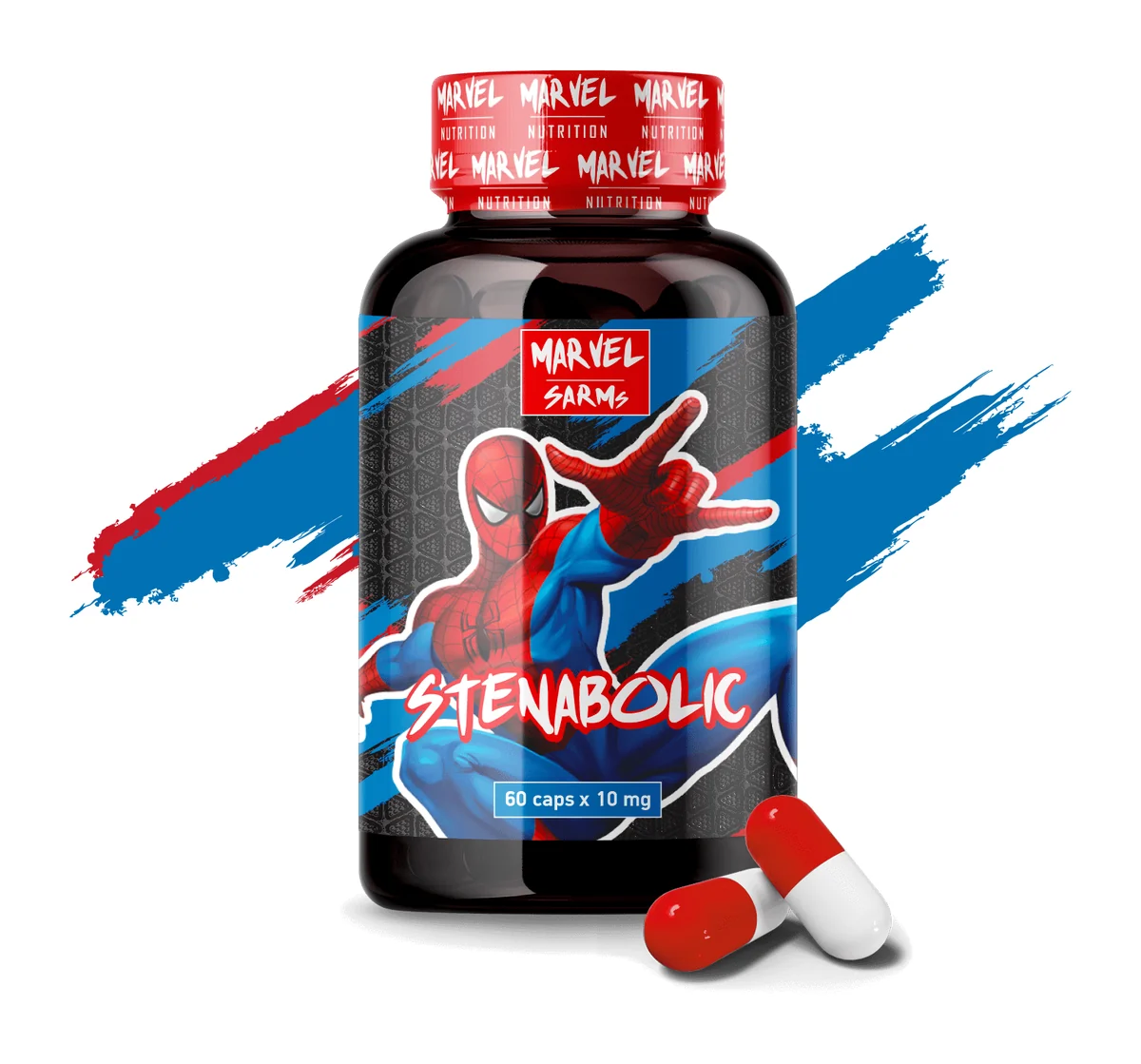
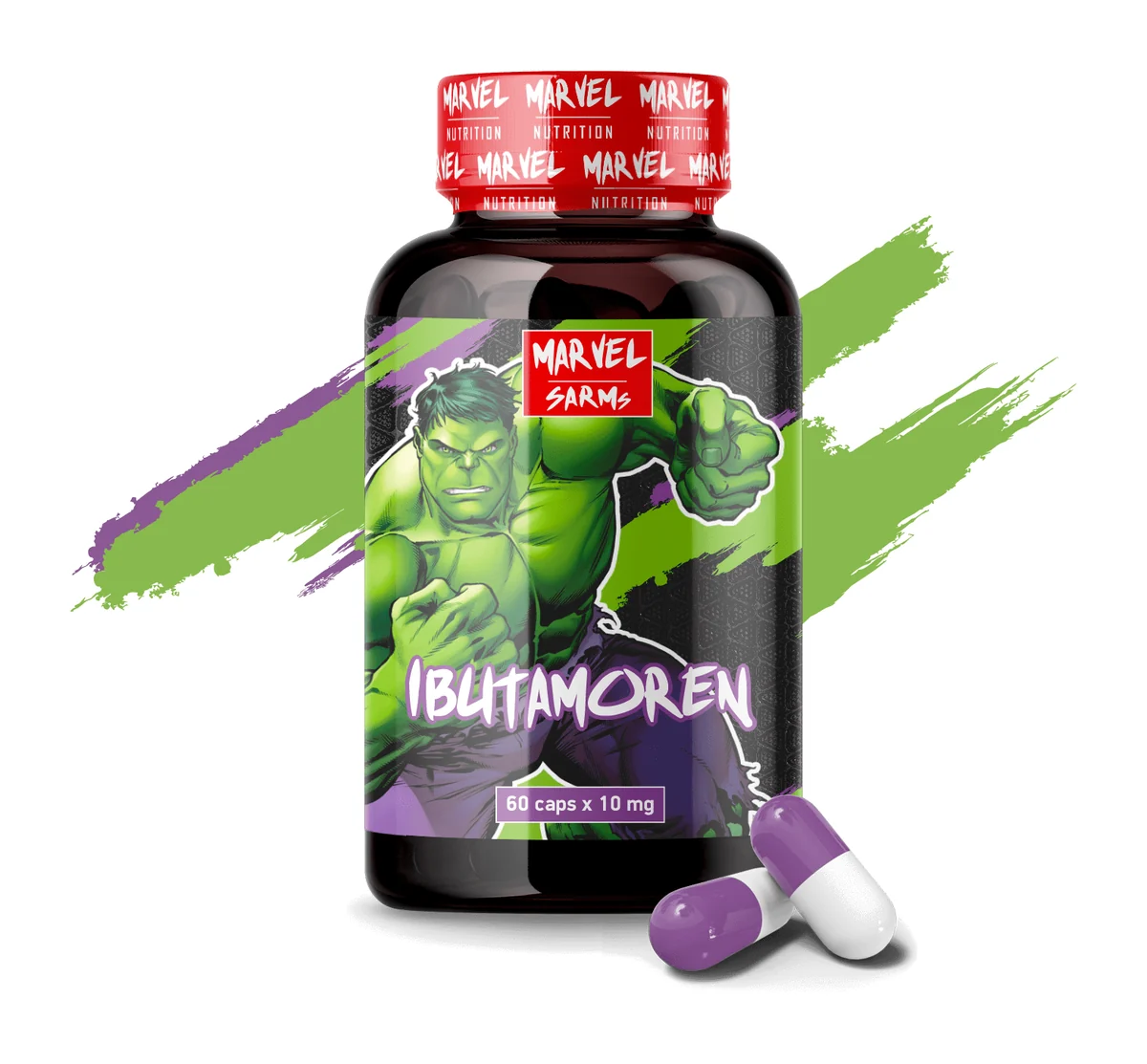
Two housekeeping notes first, in the spirit of part 1’s cardarine correction. Ibutamoren (MK-677) is not a SARM — it is an oral ghrelin-receptor agonist, a growth-hormone secretagogue. Stenabolic (SR9009) is not a SARM either — it is a synthetic REV-ERB agonist, a circadian-clock compound. Both are grouped with SARMs by retailers, not by pharmacology. They are covered here because this is where buyers look for them, not because the receptor agrees.
The one with trials: ibutamoren
Ibutamoren went through three real human trials, and the honest summary of all three is: the biomarker moved, the patient did not — and then the safety signal ended the programme.
Healthy older adults (Nass et al., Ann Intern Med 2008). A 2-year double-blind randomised placebo-controlled trial in 65 healthy adults aged 60–81, 25 mg once daily. GH and IGF-I rose into the young-adult range; fat-free mass increased 1.1 kg against a 0.5 kg loss on placebo (P<0.001). But abdominal visceral fat did not change, fasting glucose rose, insulin sensitivity fell, cortisol rose — and the increased fat-free mass produced no changes in strength or function. The authors’ own limitation: the study was underpowered for functional endpoints. The drug did what it said on the biomarker; the biomarker did not do what the theory said for the patient.
Alzheimer’s disease (Neurology 2008). A randomised trial with 416 completers assessed at 12 months: 25 mg raised serum IGF-I 60.1% at 6 weeks and 72.9% at 12 months — and produced no significant differences on any clinical scale (CIBIC-plus, ADAS-Cog, ADCS-ADL, CDR-sob). Biomarker up, disease unmoved, twice in a row.
Hip fracture recovery (phase IIb, Arch Gerontol Geriatr 2011). 123 elderly hip-fracture patients, 25 mg/day against placebo for 24 weeks. IGF-I rose 51.4 ng/ml over placebo (P<0.001); stair-climbing power did not (P=0.292), gait speed did by a small margin (P=0.011), most other functional measures did not move. And the trial was terminated early on a safety signal of congestive heart failure in a limited number of patients. The authors’ verdict: “unfavorable safety profile in this patient population.”
No approval was ever granted, in any indication, anywhere.
The four with no human data
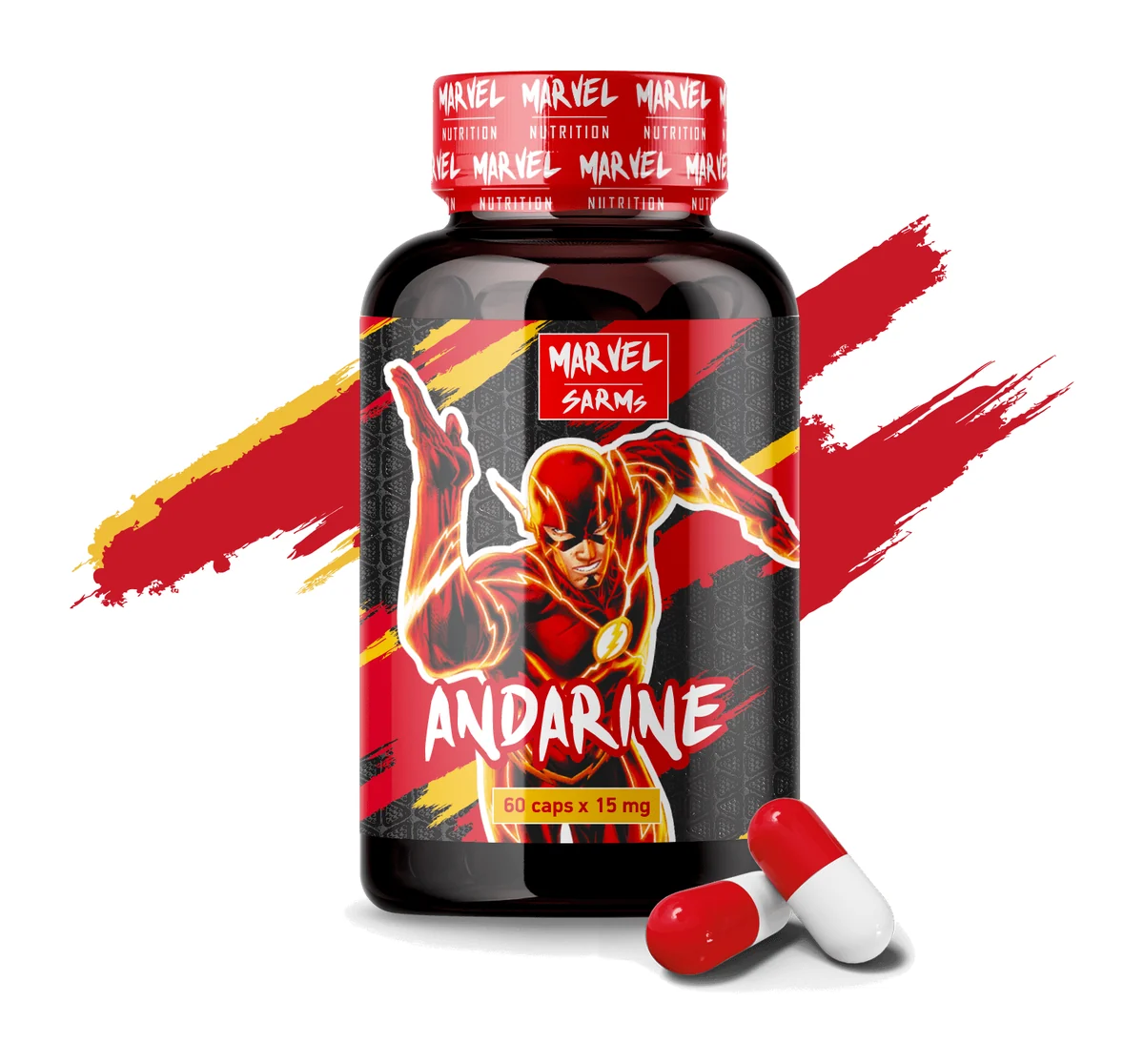
Andarine (S-4) has no published human efficacy trial findable on PubMed — zero clinical-trial hits. Everything written about its effects in people is extrapolated from its androgen-receptor pharmacology and from anecdote.
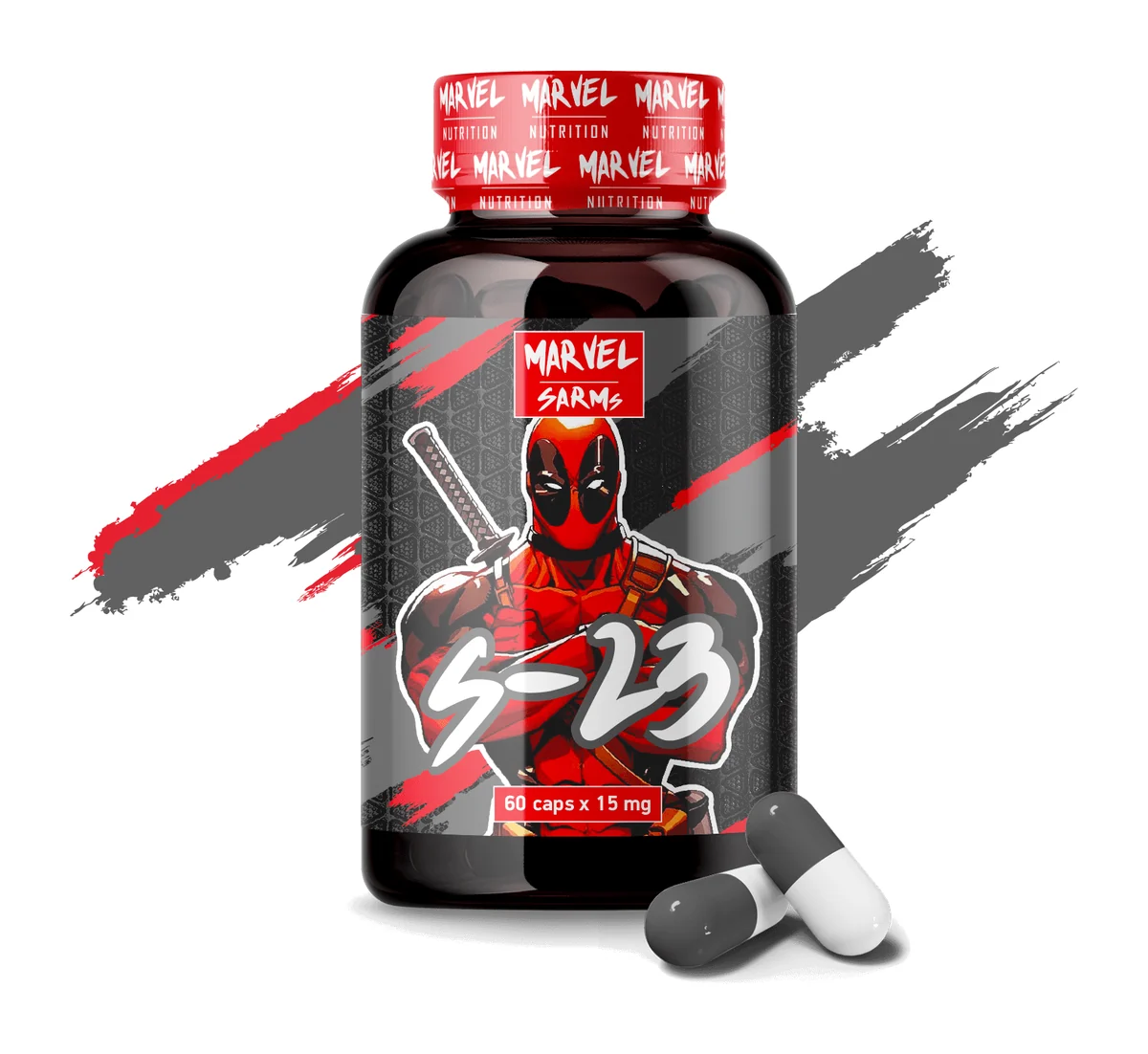
S-23 likewise: the PubMed record is doping-analytics work (in-vitro metabolite characterization for detection methods), not a trial. The preclinical contraceptive work sometimes cited is animal work; no human study exists.
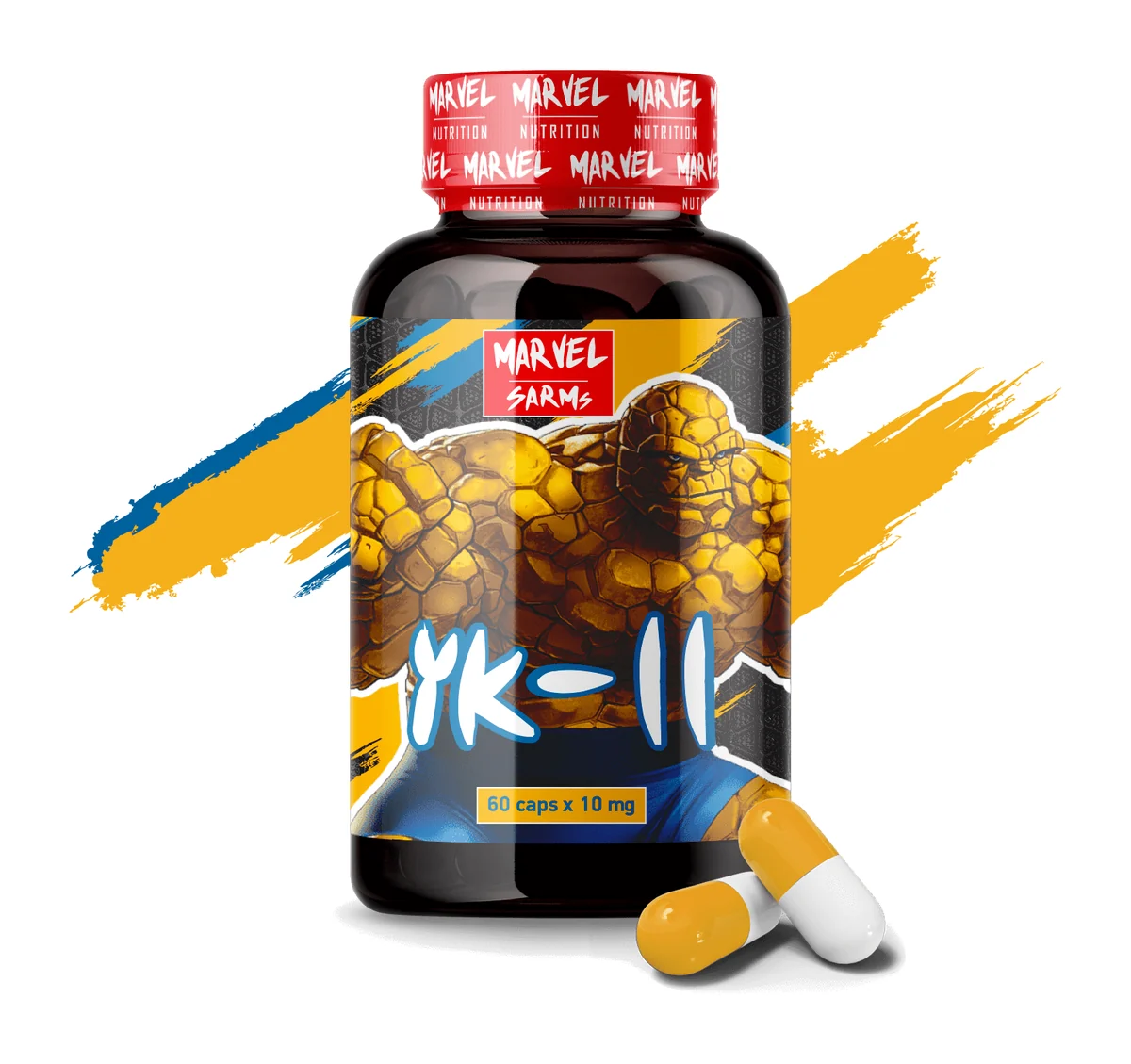
YK-11 has a precise origin and it is a cell-culture dish: Kanno et al., Biol Pharm Bull 2013 — regulation of myogenic differentiation in C2C12 mouse myoblasts via follistatin expression (PMID 23995658). Every human-context hit since is doping control: detection in a sample, equine metabolism, screening methods. No human efficacy or safety study has been published.
Stenabolic (SR9009) originates one step further from the clinic: Solt et al., Nature 2012 — synthetic REV-ERB agonists altering circadian behaviour and metabolism in mice (PMID 22460951). No human data of any kind.
All five are prohibited in sport at all times under the WADA S1.2 category where applicable, and the class carries the liver-injury record documented in part 1 — including the FDA’s 2017 warning on SARMs in supplements. Case reports are not incidence data, but the pattern belongs next to any discussion of compounds whose entire human safety file is three ibutamoren trials and nothing else.
What the data do not show
For four of the five compounds, everything: no dose-response in humans, no efficacy endpoint, no safety profile, no duration data. The literature cannot tell a researcher what these do in people because it never studied people. For ibutamoren, the gap is narrower but decisive — three trials show the GH/IGF-I axis can be stimulated orally for a year with measurable body-composition change, and simultaneously show that change did not become function, did not slow dementia, and came with a cardiac signal that stopped the programme. Nobody has run the trial that would rehabilitate it, and thirteen years on, nobody is running one.
What we supply
Ibutamoren, stenabolic, andarine, S-23 and YK-11 from the catalog’s manufacturers, shipped as supplied, batch documentation on request. Research use only — and in this class more than any other on this site, that sentence is doing real work: four of these five have never been tested in a human being, and the fifth was abandoned over safety. Nothing here is a recommendation to use any of them in people.
References.
- Nass R, Pezzoli SS, Oliveri MC, et al. Effects of an oral ghrelin mimetic on body composition and clinical outcomes in healthy older adults: a randomized trial. Ann Intern Med 2008;149(9):601–611 (PMID 18981485).
- Growth hormone secretagogue MK-677: no clinical effect on AD progression in a randomized trial. Neurology 2008;71(21) (PMID 19015485).
- Adunsky A, Chandler J, Heyden N, et al. MK-0677 (ibutamoren mesylate) for the treatment of patients recovering from hip fracture: a multicenter, randomized, placebo-controlled phase IIb study. Arch Gerontol Geriatr 2011;53(2):183–189 (PMID 21067829).
- Kanno Y, Ota R, Someya K, et al. Selective androgen receptor modulator, YK11, regulates myogenic differentiation of C2C12 myoblasts by follistatin expression. Biol Pharm Bull 2013 (PMID 23995658).
- Solt LA, Wang Y, Banerjee S, et al. Regulation of circadian behaviour and metabolism by synthetic REV-ERB agonists. Nature 2012 (PMID 22460951).