BPC-157 in tendon research: what the rat studies actually show
Tendon models are the core of the BPC-157 animal literature, and a 2025 systematic review put the field's ratio at 35 preclinical studies to 1 clinical study. This page stays inside that ratio.
28 September 2026 · 2 min read
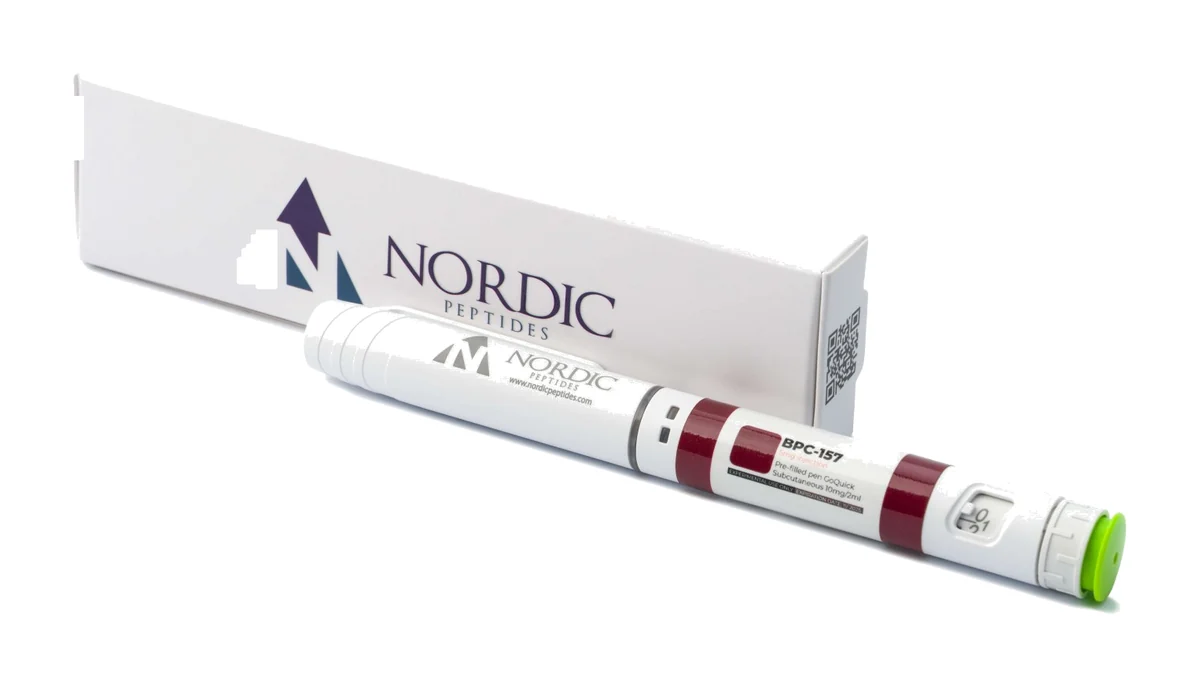 BPC-157 - 5mg
If BPC-157 has a home turf in the literature, it is tendon. Long before the compound became a search term, gastroenterology researchers were testing a stable gastric peptide fragment in gut models, and orthopaedic groups picked it up for the tissue that heals slowest and worst: tendon. Rat Achilles transection and crush models form the backbone of everything written about this compound since. The question is what that backbone actually carries.
Why tendon researchers cared
Tendon is badly vascularised, heals by scarring rather than regeneration, and re-rupture is common. A peptide stable in gastric acid, with reported effects on angiogenesis, fibroblast migration and nitric oxide signalling, looked like a plausible probe for exactly that problem. The proposed mechanism was never one clean receptor interaction. It was described as pleiotropic and cytoprotective, which is honest language for “several things at once, none fully mapped.”
What the collected animal work reports
The useful summary comes from a 2025 systematic review of BPC-157 in orthopaedic sports medicine (Vasireddi et al.), which gathered the preclinical field in one place. Across muscle, tendon, ligament and bone injury models, the review found that treated animals showed improved functional, structural and biomechanical outcomes versus controls. Tendon rupture models are among the most represented in that set, and their results point the same direction as the rest: faster-looking recovery readouts in rats.
Consistency across injury types and across groups is worth something. It is the reason this compound is still discussed instead of dismissed. A second 2025 review, this one narrative, surveyed the same musculoskeletal territory and reached the same structural conclusion: a large animal literature, and a human literature that barely exists.
The ratio that matters
Here it is, from the systematic review’s own count:
35 preclinical studies of BPC-157 for musculoskeletal injury — and 1 clinical study.
That is the entire human evidence base the reviewers could find. A few small pilot studies in people exist outside it (knee pain, bladder, one intravenous safety assessment), but the reviewers state plainly that no clinical safety data were found. No adverse effects were reported in the animal work, which is reassuring only within the limits of animal work. The in-human safety profile is unknown, full stop.
What this means for a research setting
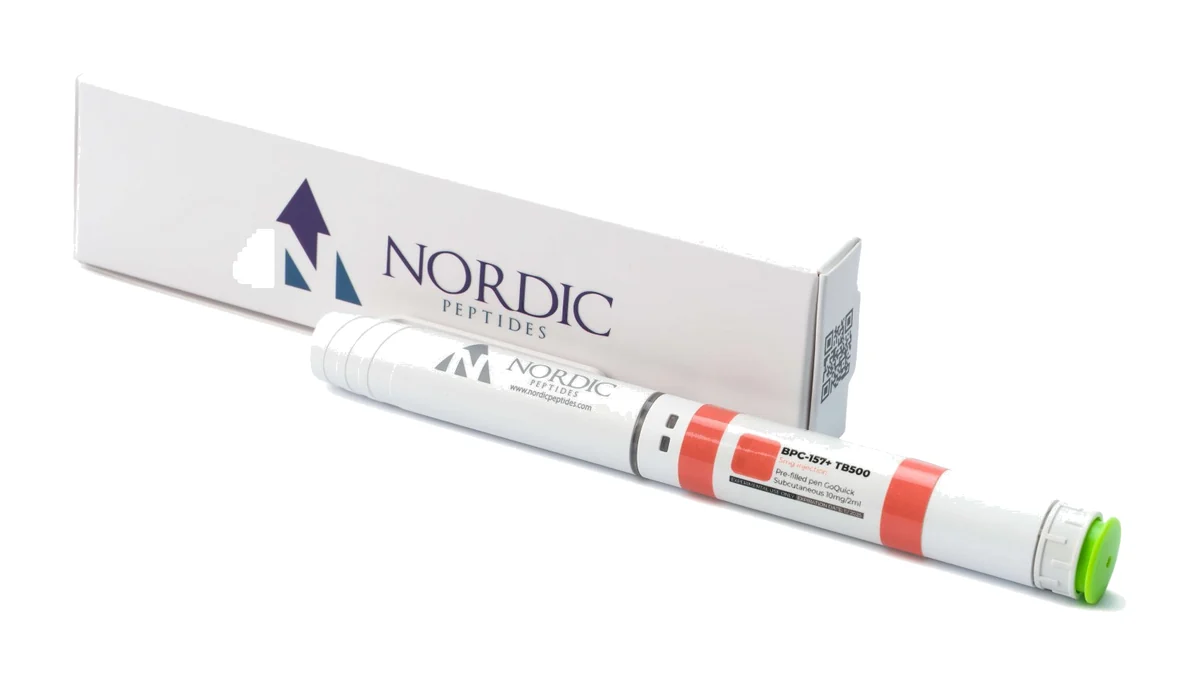
Two practical points. First, the comparable published methods for tendon work with BPC-157 are animal-model methods: transection, crush, detachment-reattachment designs in rats. Anyone designing new work starts from those papers, not from vendor pages. Second, blends complicate attribution. BPC-157 is frequently supplied combined with TB-500, and a combined preparation cannot tell you which component drove an effect. Decide the design before ordering, not after.
Tested athletes should note the regulatory line: BPC-157 sits on the WADA Prohibited List under S0 since January 2022. That is not ambiguous.
For the broader picture beyond tendon, our general BPC-157 evidence summary covers the compound across all tissues.
Research use only. Everything on this page describes published animal work; nothing here is medical advice, a suggestion for human use, or a protocol. The literature does not support human use, and neither do we.
References.
- Vasireddi N, Hahamyan H, Salata MJ, et al. Emerging Use of BPC-157 in Orthopaedic Sports Medicine: A Systematic Review. HSS J 2025.
- Regeneration or Risk? A Narrative Review of BPC-157 for Musculoskeletal Healing. PubMed record (PMID 40789979).
- World Anti-Doping Agency — Prohibited List (BPC-157 named under S0, non-approved substances, since 2022).