Endurance, GlutaMB and the antioxidant pens: the labels add up, the trials are less flattering
Glutathione, NMN, resveratrol and methylene blue, in two pre-mixed pens. One component has a good human trial, one has four negative ones, and one is present at a dose thousands of times below the trial that reported a benefit. Ingredient by ingredient.
2 September 2026 · 5 min read
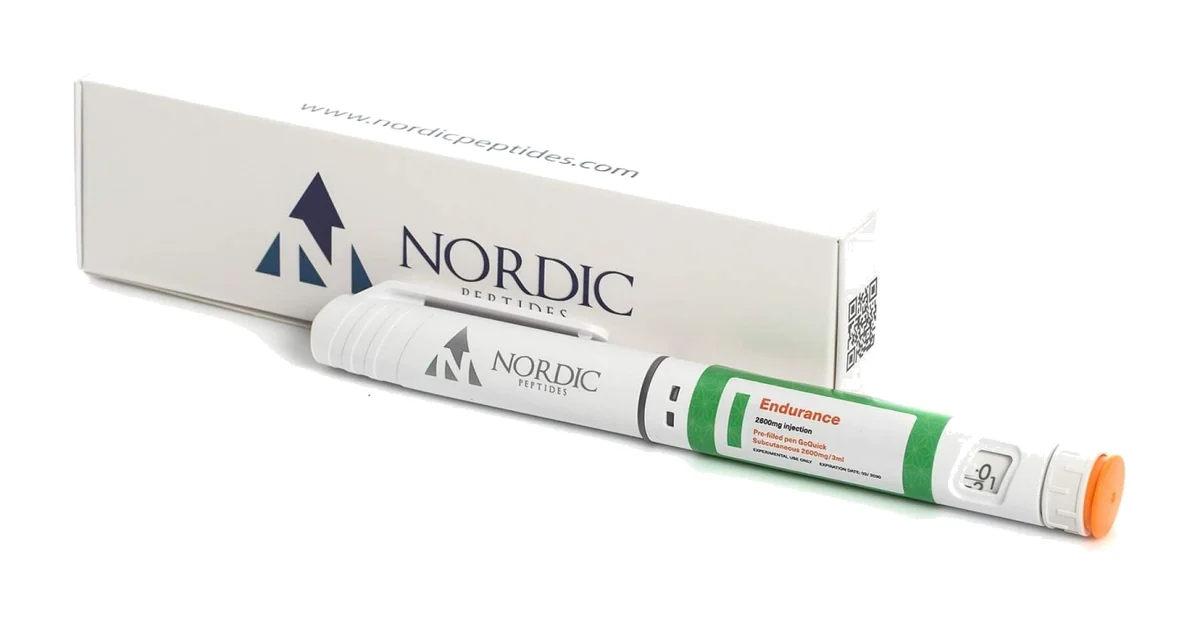 Endurance Pen (Glutathione, NMN & Resveratrol) - 2600mg/3ml
CellDetox and Everlong are the ambitious end of our longevity shelf. This page is the tier below them — the antioxidant pens, which are simpler, cheaper to run and much easier to check, because everything in them is a well-studied molecule with decades of human literature.
That literature is not uniformly kind. Going through it is more useful than repeating the label.
What is actually in them
Credit where it is due: the numbers on these labels add up, which is not true of every formulation in this market.
Endurance Pen is 2600 mg in 3 ml, and the manufacturer’s breakdown accounts for all of it: glutathione 600 mg, NMN 1500 mg, resveratrol 500 mg.
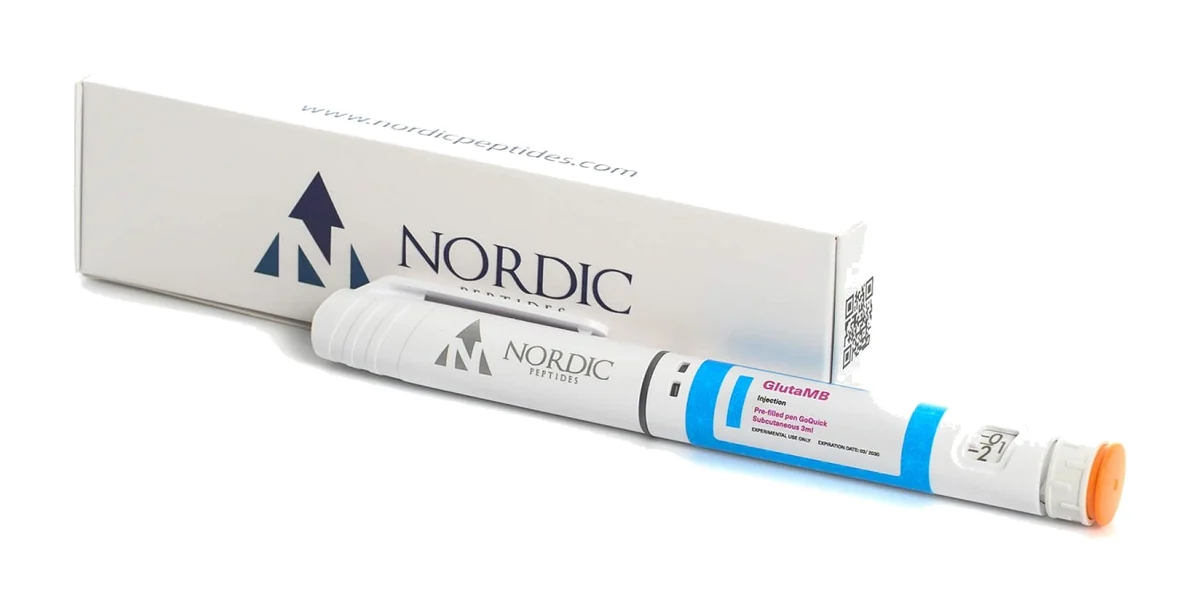
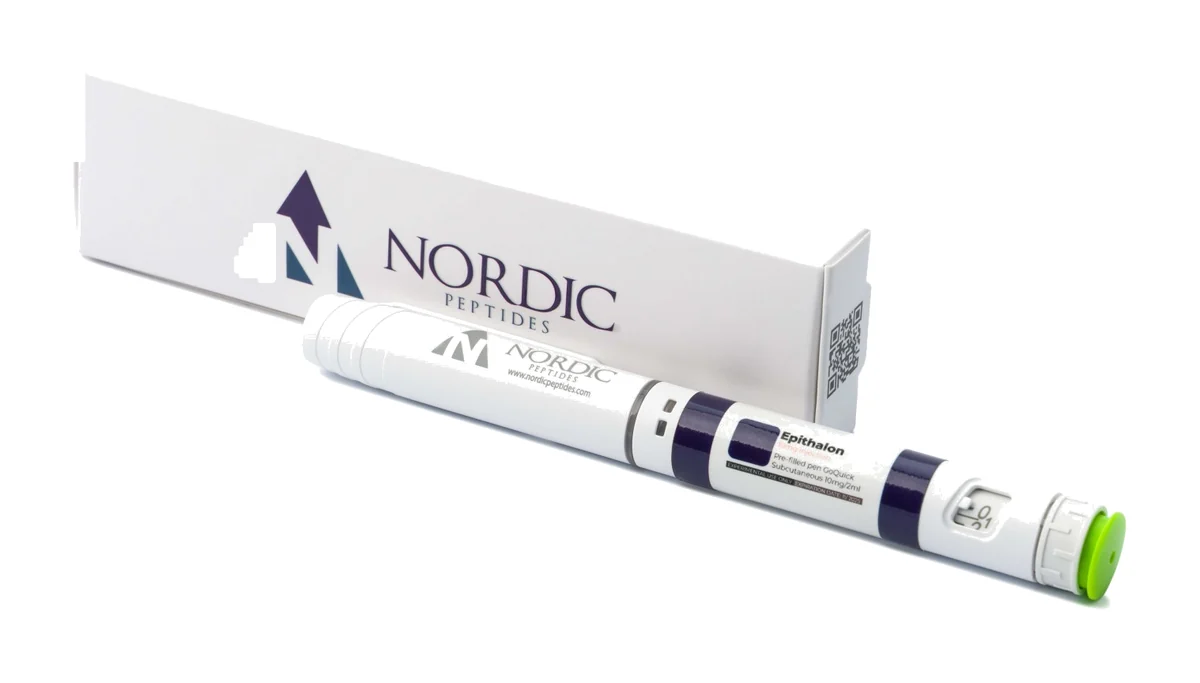
GlutaMB is glutathione 2000 mg and methylene blue 30 micrograms, in a 3 ml pen of 300 units. Hold on to that second figure; it comes back later.
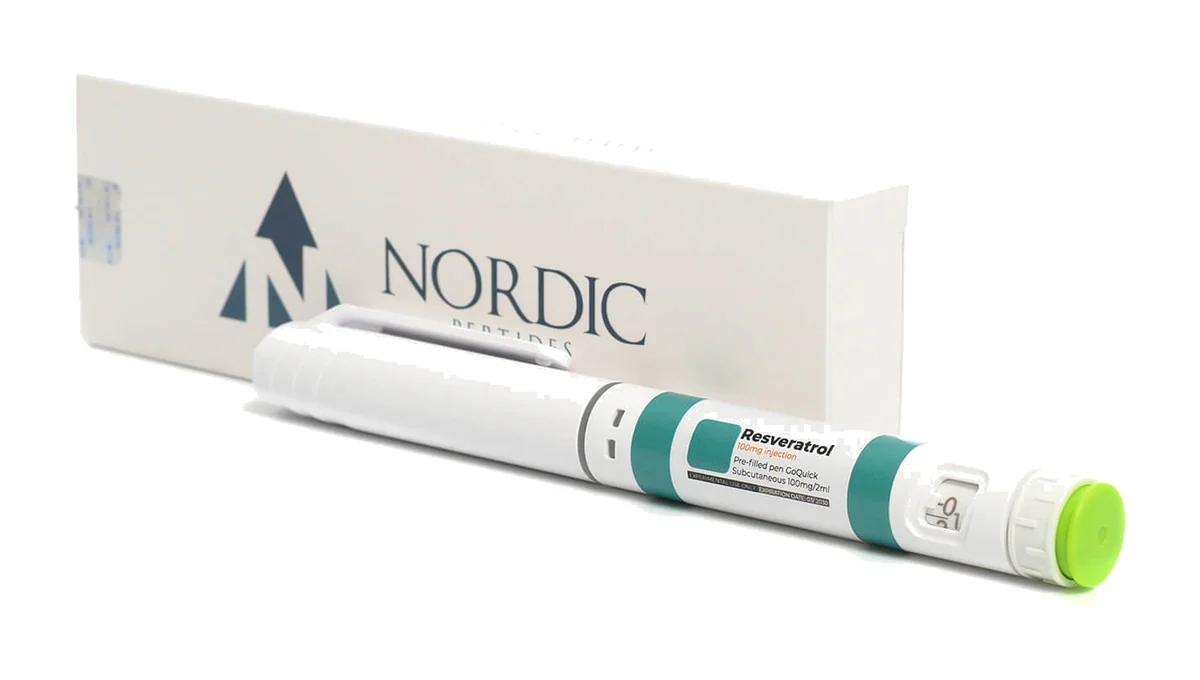
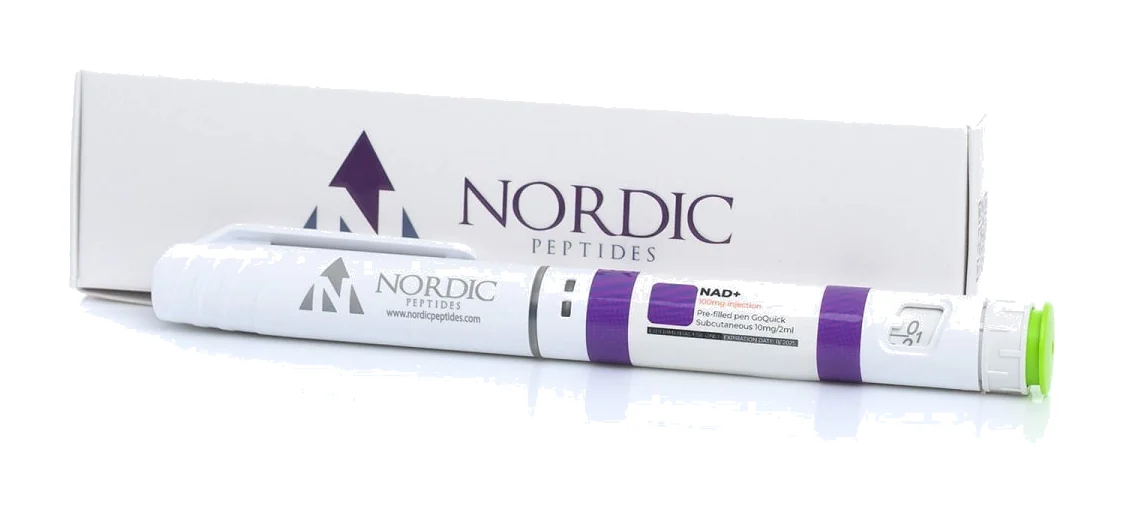
Both components are also sold on their own — Resveratrol at 100 mg/2 ml, and NAD+ in 100 mg and 200 mg pens.
NMN is the component with the best human result
And we have already written it up in full: a randomised trial of NMN at 250 mg/day for 10 weeks improved muscle insulin sensitivity in prediabetic women. That page also makes the distinction that matters on this shelf — the trial tested NMN, a precursor, not NAD+ itself, and the coenzyme is not efficiently taken up intact by cells. A pen of NAD+ and a pen of NMN are not interchangeable, whatever the category page implies.
Resveratrol is the component with the most human data, and it is negative
This is the honest centre of the page. Resveratrol has been through proper randomised trials in people, repeatedly, and they did not find what the mouse work predicted.
- Poulsen et al., 2013, Diabetes. Twenty-four obese but otherwise healthy men, four weeks, randomised, placebo-controlled, double-blinded, with a hyperinsulinemic euglycemic clamp as the reference method. Insulin sensitivity — the primary outcome — deteriorated insignificantly in both groups. No effect on blood pressure, resting energy expenditure, lipid oxidation rates, ectopic or visceral fat, or inflammatory and metabolic biomarkers. The authors wrote that the result “raises doubt about the justification of resveratrol as a human nutritional supplement in metabolic disorders.”
- Kjær et al., 2017, JCEM. Seventy-four middle-aged men with metabolic syndrome, sixteen weeks, 1000 mg or 150 mg daily against placebo. No effect on inflammatory markers in blood or in adipose and muscle biopsies, none on blood pressure, body composition, liver or muscle fat, none on glucose or lipid metabolism. And the high-dose arm significantly increased total cholesterol (P<0.002), LDL cholesterol (P<0.006) and fructosamine (P<0.013) compared with placebo.
- Semba et al., 2014, JAMA Internal Medicine. Not a trial but a nine-year prospective cohort of 783 community-dwelling adults aged 65 or over in Chianti, using 24-hour urinary resveratrol metabolites. 268 participants (34.3%) died. Across quartiles from lowest to highest resveratrol, the proportion who died was 34.4%, 31.6%, 33.5% and 37.4% (P=.67). No association with CRP, IL-6, IL-1β, TNF, cardiovascular disease or cancer.
Four independent looks, three of them randomised, all negative — and one finding a lipid change in the wrong direction at the high dose.
And every one of them was oral. The pen is not. Whatever you make of the oral literature, injected resveratrol is a separate pharmacological question that these papers do not answer.
Glutathione: bioavailable, but not yet shown to change an outcome
Two useful results, pointing in different directions.
Richie et al. ran a six-month randomised, double-blinded, placebo-controlled trial of oral glutathione at 250 or 1000 mg/day in 54 non-smoking adults. It worked as a supplement: at six months the high-dose group’s glutathione rose 30–35% in erythrocytes, plasma and lymphocytes and 260% in buccal cells (P<0.05), with dose- and time-dependence, and natural killer cytotoxicity more than doubled versus placebo at three months. Levels returned to baseline after a one-month washout.
So body stores can be raised. Whether raising them changes anything clinical is the harder question, and the best-designed attempt to answer it came back flat: Mischley et al.’s phase IIb trial randomised 45 people with Parkinson’s disease to intranasal placebo, 100 mg or 200 mg glutathione three times daily for three months. All cohorts improved, including placebo. The high-dose group improved against its own baseline on the total UPDRS (−4.6, P=0.0025) and the motor subscore (−2.2, P=0.0485), but neither treatment group was superior to placebo. One participant in the high-dose arm developed cardiomyopathy.
That is what a fair reading looks like: a molecule you can demonstrably raise, without a demonstrated clinical effect from raising it.
Methylene blue: a real drug, at a dose that is not
Methylene blue is not a wellness ingredient with a hopeful mechanism. It is an established medicine — the standard treatment for methemoglobinemia — and it has current randomised evidence in other settings. Zhang et al. randomised 217 elderly patients undergoing joint replacement to intravenous methylene blue or control: postoperative delirium occurred in 8.3% versus 20.4% (hazard ratio 0.39, 95% CI 0.173–0.858, P=0.024), with more postoperative fever in the treated group (16.5% versus 7.4%, P=0.039).
Now compare the doses. That trial infused 2 mg per kilogram as a single intraoperative dose. The entire GlutaMB pen contains 30 micrograms — 0.03 mg, for the whole 3 ml, spread across 300 units.
This is the same observation we made about the metabolic pens: a formulation like this is a stack of very low-dose inputs, not clinical doses in one device. Neither reading of that is dishonest as long as it is stated. What would be dishonest is quoting the delirium trial next to the pen.
The safety literature deserves a line too, because it is the reason the compound is handled carefully in hospitals. Its interaction with serotonergic drugs is documented well enough that a 2026 paper in Urogynecology is titled, in full, “Methylene Blue and Serotonin Syndrome: A Caution Against Intravenous Use.”
What the data does not show
Neither pen has been tested as a pen — the trials above are single molecules, mostly oral or intravenous, in defined patient populations. There is no human study of these combinations, no established dose for any of them by this route, and no approved product among them except methylene blue in its own, unrelated indication. And as with every blend, a mixture cannot tell you which part did what.
What we supply
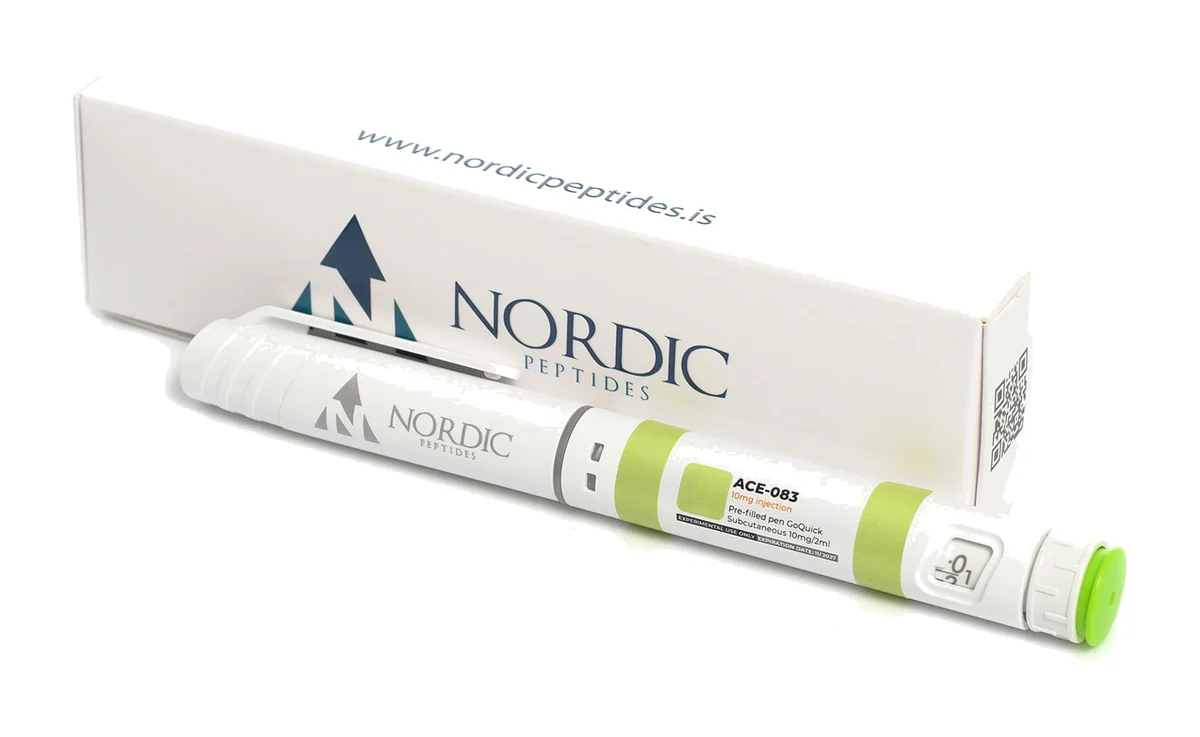
The Endurance Pen (glutathione, NMN and resveratrol), GlutaMB (glutathione and methylene blue), plus Resveratrol and NAD+ on their own — Nordic Peptides pre-filled pens, shipped as supplied by the manufacturer, tracked, from inside the EU, batch documentation on request.
Research use only — not for human or veterinary use, and nothing here is medical advice.
References.
- Poulsen MM, Vestergaard PF, Clasen BF, et al. High-dose resveratrol supplementation in obese men: a randomized, placebo-controlled clinical trial of substrate metabolism, insulin sensitivity, and body composition. Diabetes 2013;62(4):1186–1195 (PMID 23193181).
- Kjær TN, Ornstrup MJ, Poulsen MM, et al. No Beneficial Effects of Resveratrol on the Metabolic Syndrome: A Randomized Placebo-Controlled Clinical Trial. J Clin Endocrinol Metab 2017;102(5):1642–1651 (PMID 28182820).
- Semba RD, Ferrucci L, Bartali B, et al. Resveratrol levels and all-cause mortality in older community-dwelling adults. JAMA Intern Med 2014;174(7):1077–1084 (PMID 24819981).
- Richie JP Jr, Nichenametla S, Neidig W, et al. Randomized controlled trial of oral glutathione supplementation on body stores of glutathione. Eur J Nutr 2015;54(2):251–263 (PMID 24791752).
- Mischley LK, Lau RC, Shankland EG, et al. Phase IIb Study of Intranasal Glutathione in Parkinson's Disease. J Parkinsons Dis 2017;7(2):289–299 (PMID 28436395).
- Rothenberg R, Biary R, Hoffman RS. Effectiveness and tolerability of methylthioninium chloride (methylene blue) for the treatment of methemoglobinemia: twenty-four years of experience at a single poison center. Clin Toxicol 2025;63(4):284–291 (PMID 40062661).
- Zhang W, Ling F, Qi J, et al. Effect of intraoperative methylene blue on postoperative delirium in elderly patients undergoing joint replacement: a randomized controlled trial. Int J Surg 2025;111(12):9384–9391 (PMID 40696945).
- Brown O, Mou T, Barker MA. Methylene Blue and Serotonin Syndrome: A Caution Against Intravenous Use. Urogynecology 2026;32(2):90–93 (PMID 41589868).