Forschung.
Was die publizierte Literatur über die Compounds in unserem Katalog berichtet — die Studie, die Zahl, die Quelle. Jede Angabe ist belegt; nichts hiervon ist eine medizinische Empfehlung oder ein Protokoll für die Anwendung beim Menschen.
 Secretagogues
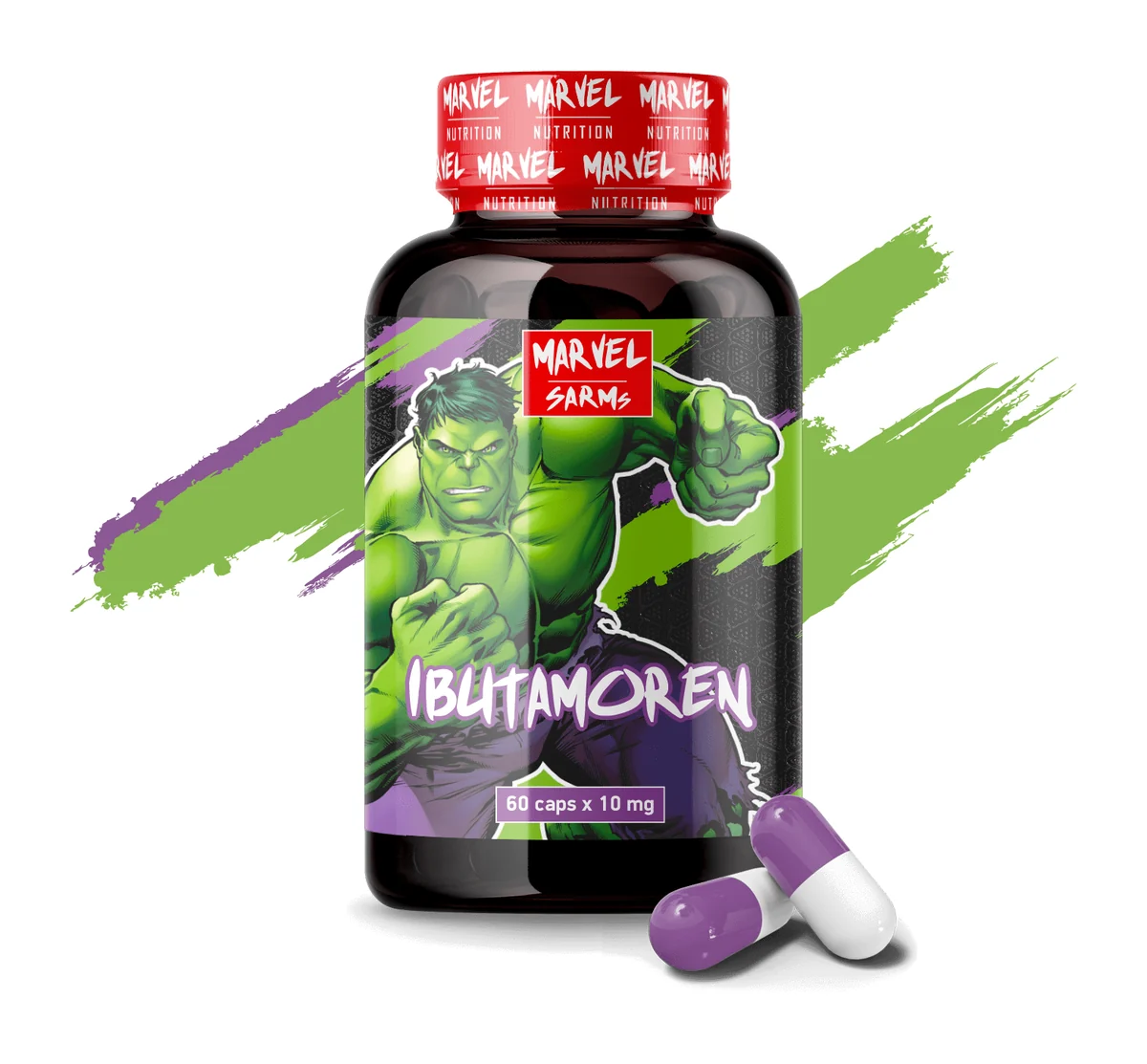
Ibutamoren (MK-677): the oral secretagogue with a two-year human trial
Most compounds in this catalog have no human data at all. This one has three randomised trials: a pulse study from 1996, an obesity study from 1998, and a two-year trial in 65 older adults that added fat-free mass without moving visceral fat. The numbers, exactly as published.
30. September 2026 · 3 Min. Lesezeit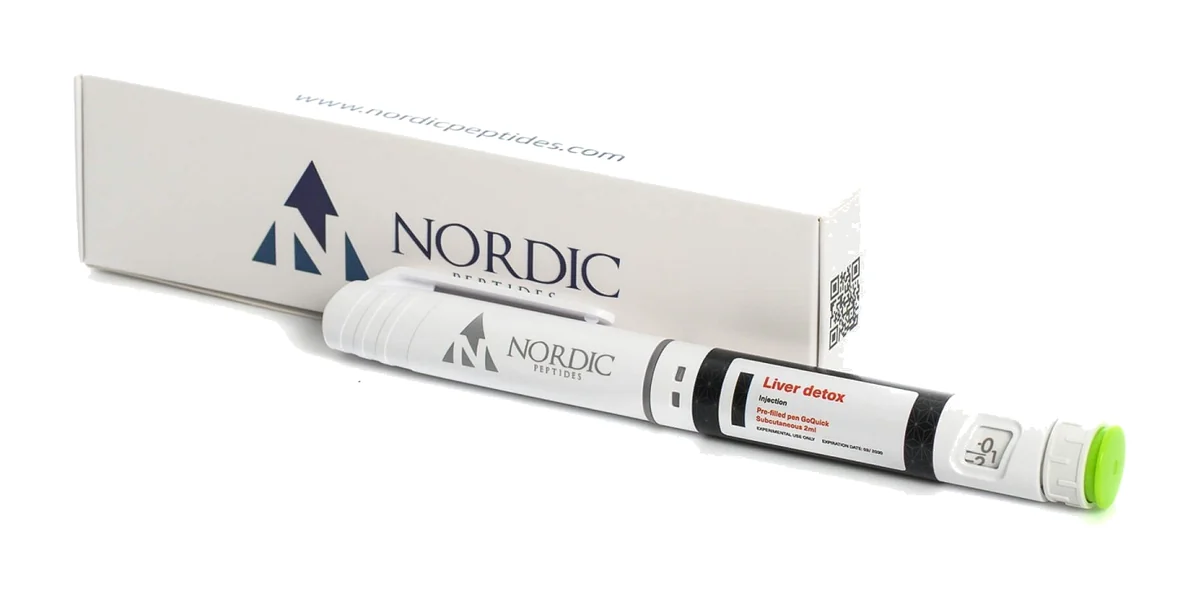 Metabolic
Liver support pens: reading the label against the literature
Two multi-ingredient liver pens, opened up component by component. Silymarin has a Cochrane review that reads against it, NAC has a poisoning antidote trial that does not transfer, and the finished blends have no trial at all.
29. September 2026 · 5 Min. Lesezeit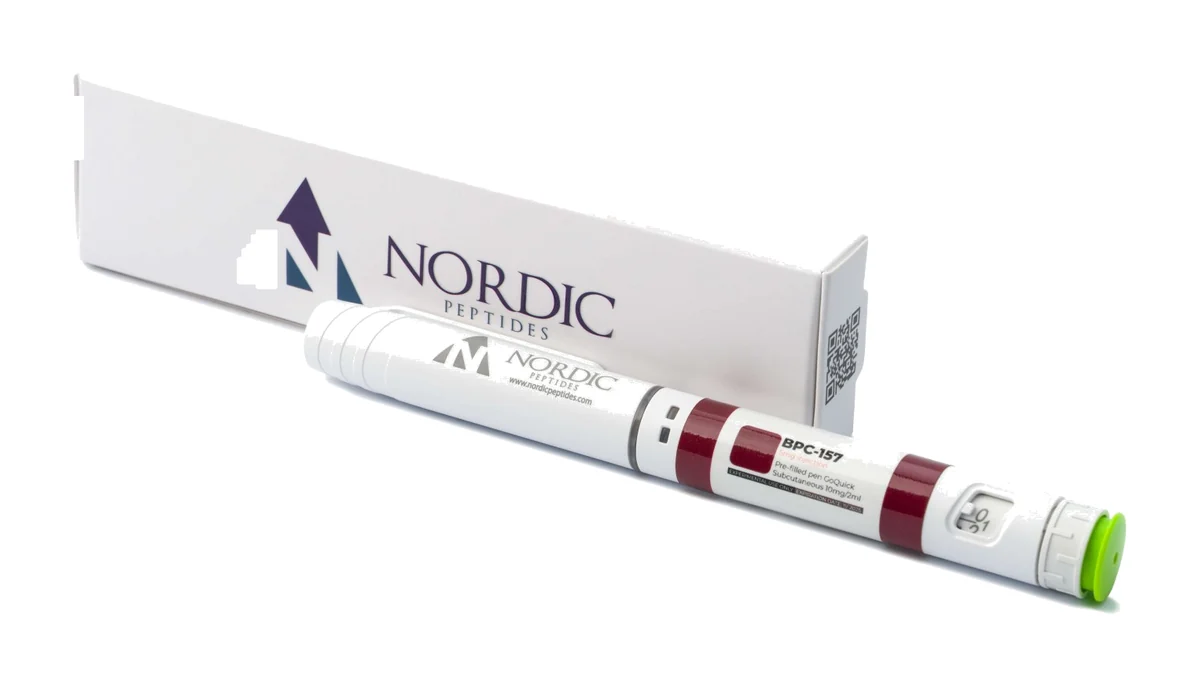 Repair
BPC-157 in tendon research: what the rat studies actually show
Tendon models are the core of the BPC-157 animal literature, and a 2025 systematic review put the field's ratio at 35 preclinical studies to 1 clinical study. This page stays inside that ratio.
28. September 2026 · 2 Min. Lesezeit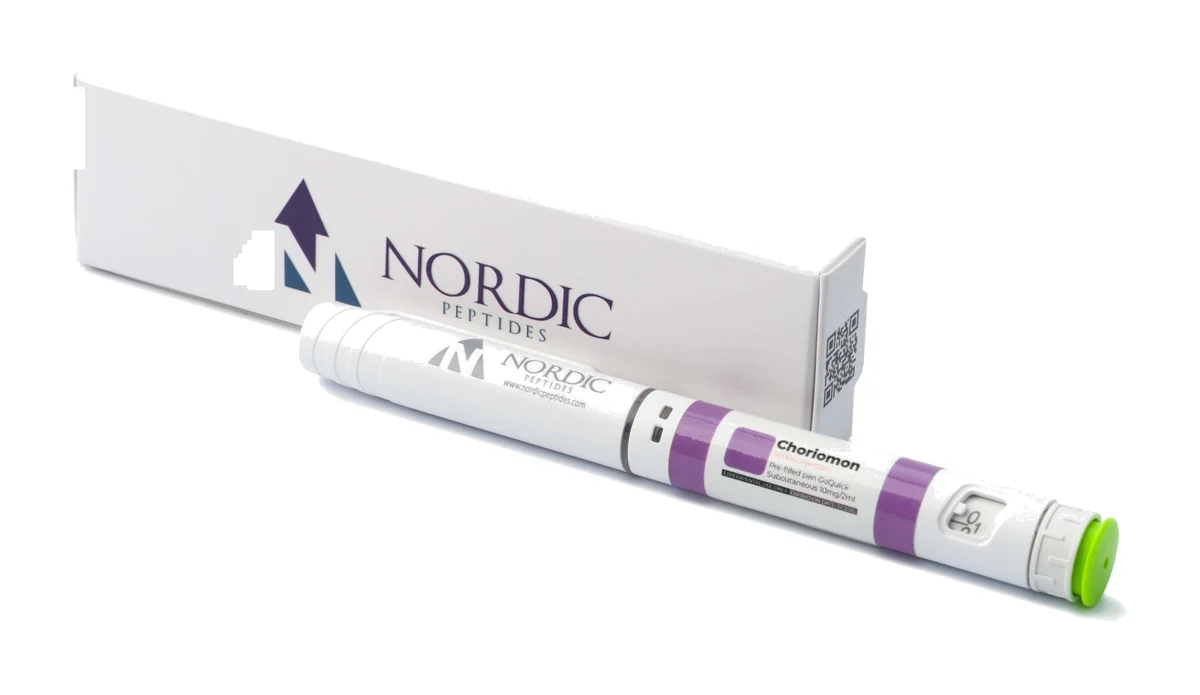 Hormonal
HCG and enclomiphene: what the fertility trials actually studied
Two compounds, four published studies, and a hard boundary: the literature describes what was measured in enrolled patients — intratesticular testosterone, sperm counts, pregnancies — not a protocol for anyone else. This article stays on the published side of that line.
28. September 2026 · 4 Min. Lesezeit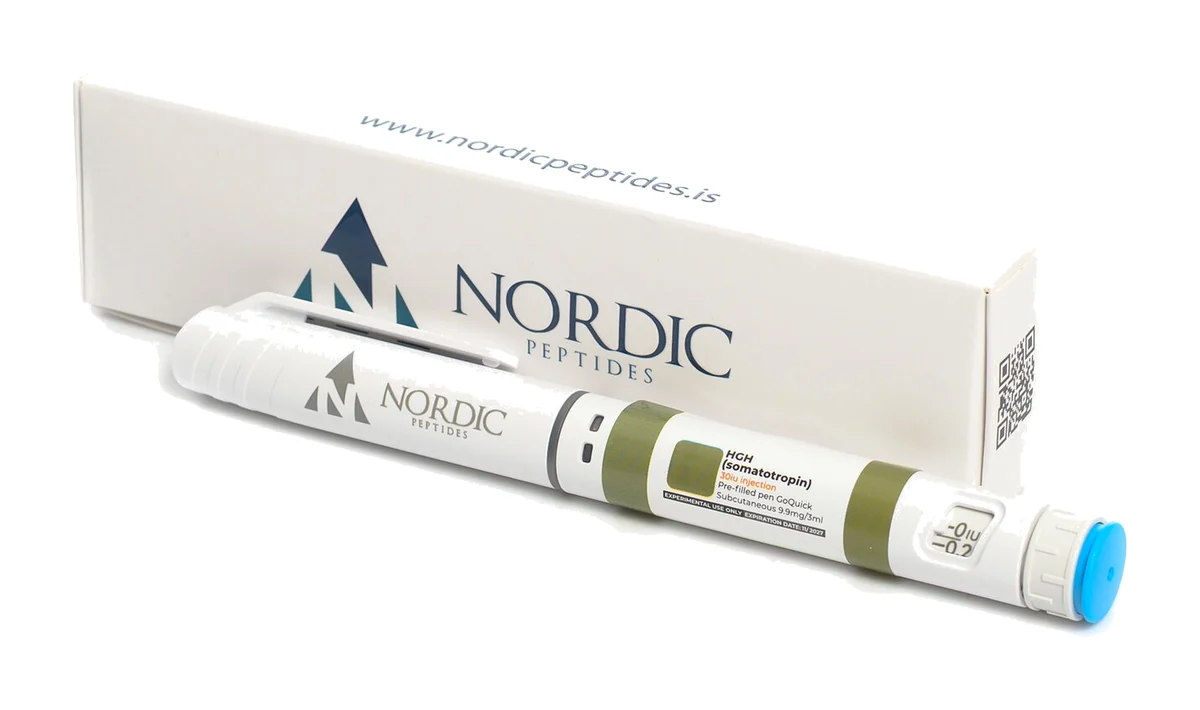 GH axis
HGH vs peptides: somatropin and the secretagogues, compared on the evidence
One is the hormone itself, approved since the 1980s for defined deficiency states. The others ask the pituitary to release more of it — and have one small trial, one PK study, or a single approval between them. The comparison searchers want has never actually been run.
28. September 2026 · 3 Min. Lesezeit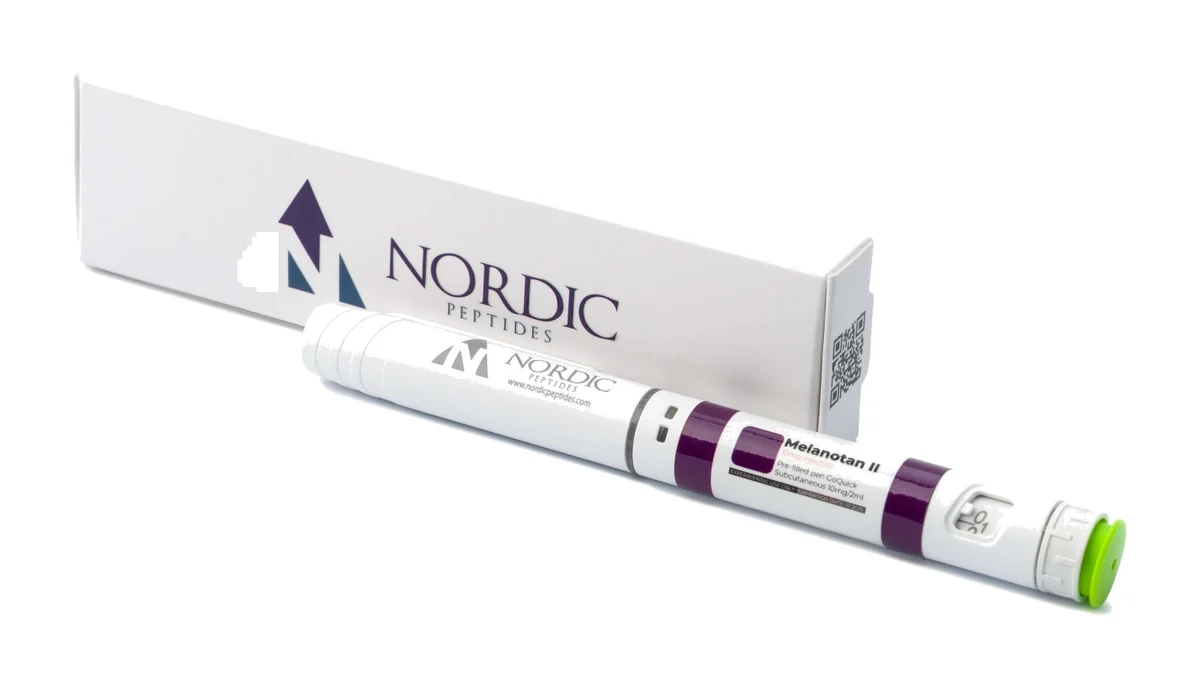 Hormonal
Melanotan 2: three small trials, no approval — and the relative that got one
The entire human literature on Melanotan 2 is three trials in 23 men, run by one Arizona group in the 1990s. Nothing followed for tanning. Its chemical relative bremelanotide became an approved medicine — for one narrow indication that has nothing to do with tanning.
28. September 2026 · 3 Min. Lesezeit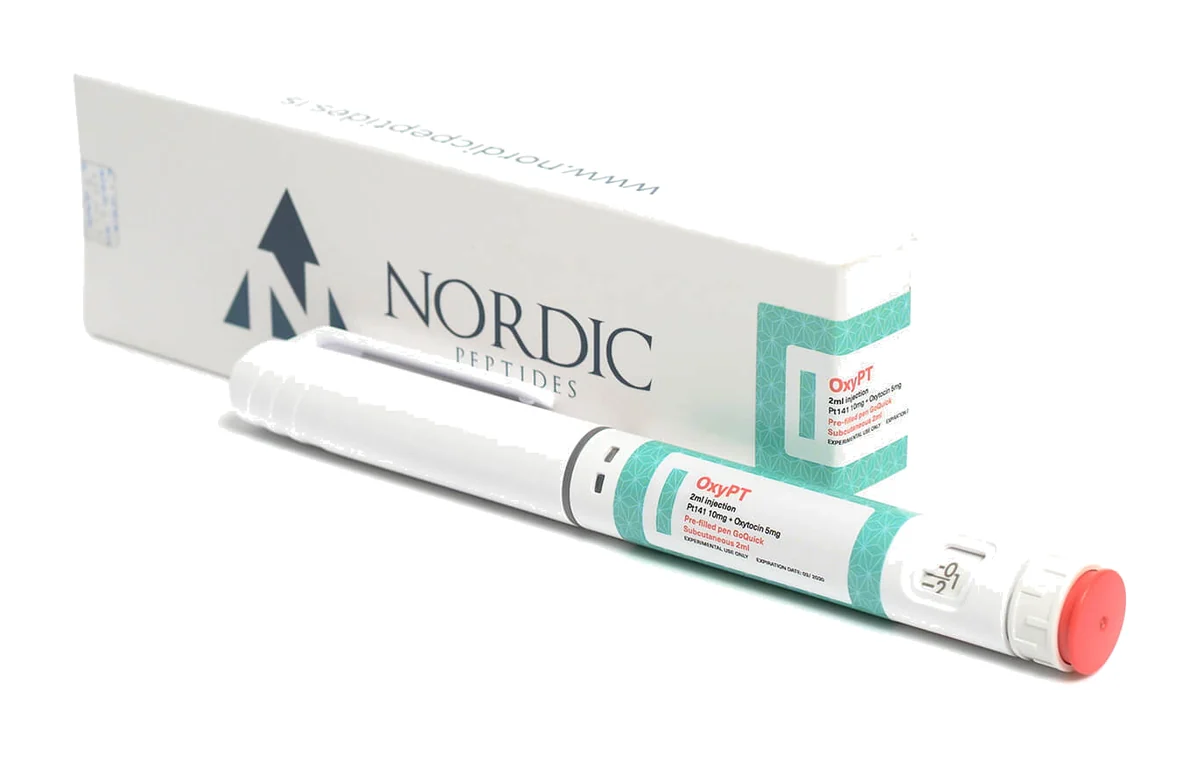 Blends
Oxytocin: das zugelassene Hormon im OxyPT-Blend
Eine Hälfte des OxyPT-Blends gehört zu den ältesten zugelassenen Peptid-Arzneimitteln der Medizin – sie wird seit den 1960er-Jahren in der Geburtshilfe eingesetzt. Hier steht, was die Zulassungstexte tatsächlich abdecken und was sie ausdrücklich nicht abdecken.
28. September 2026 · 1 Min. LesezeitSARMsSARMs part 2: the one with trials, and the four with none
Part 1 covered the compounds with phase 2 and phase 3 programmes. The five left — ibutamoren, stenabolic, andarine, S-23, YK-11 — split into one with three real human trials and an ugly safety footnote, and four with no human efficacy data at all. Two of the five are not even SARMs.
28. September 2026 · 4 Min. Lesezeit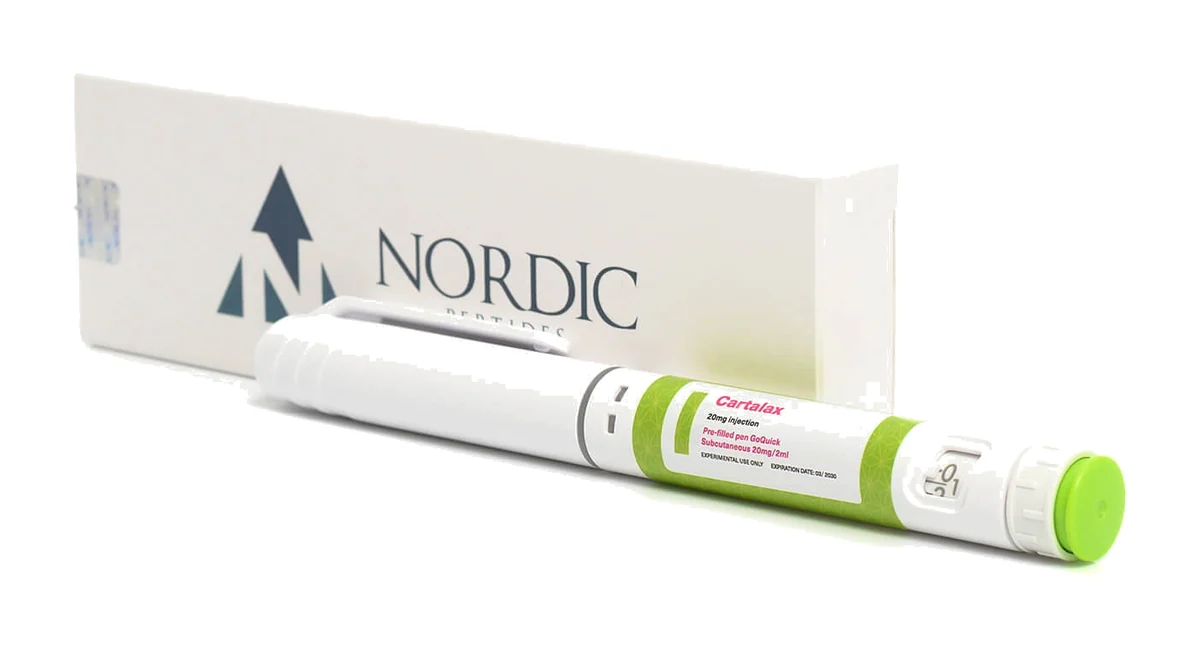 Bioregulators
Cartalax and Chonluten: the bioregulators with almost no published record
Same Khavinson school as Thymalin and Epithalon, a fraction of the evidence. One cell-culture study for Chonluten, no readable efficacy study at all for Cartalax — and that asymmetry is the article.
26. September 2026 · 2 Min. Lesezeit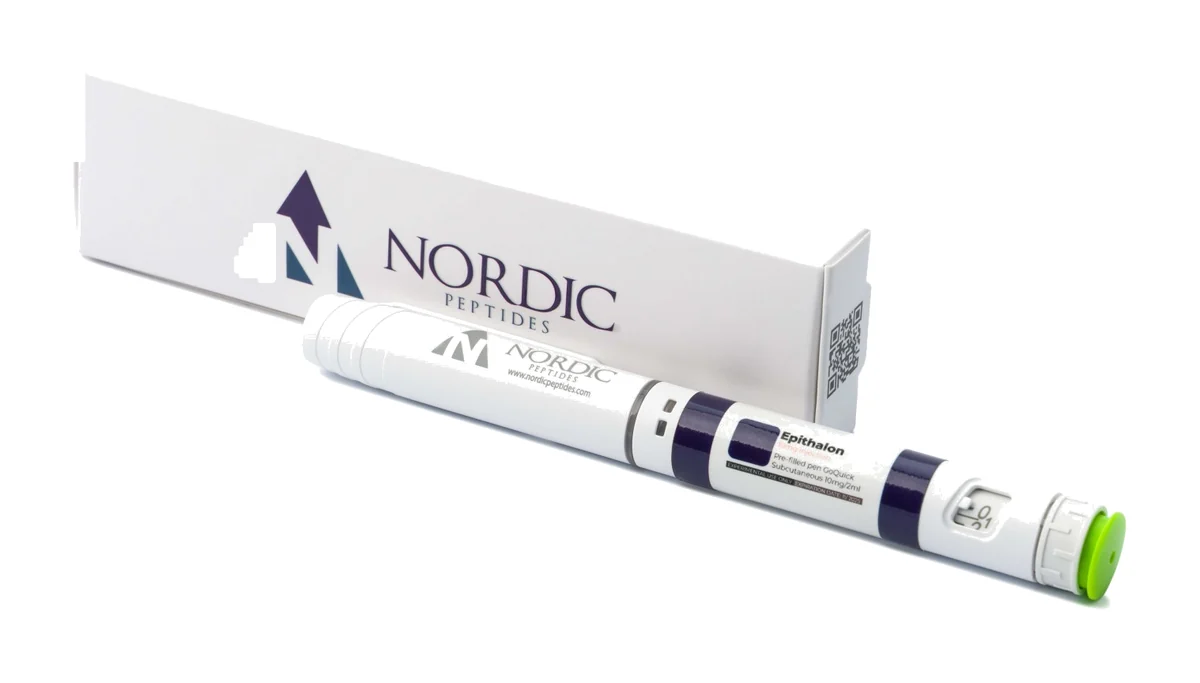 Longevity
Epithalon and the telomere claim: what the Khavinson papers actually report
Telomerase reactivation in a dish, extra passages past the Hayflick limit, longer-lived flies and mice — and no modern human trial. The published Epithalon record, figure by figure.
26. September 2026 · 4 Min. Lesezeit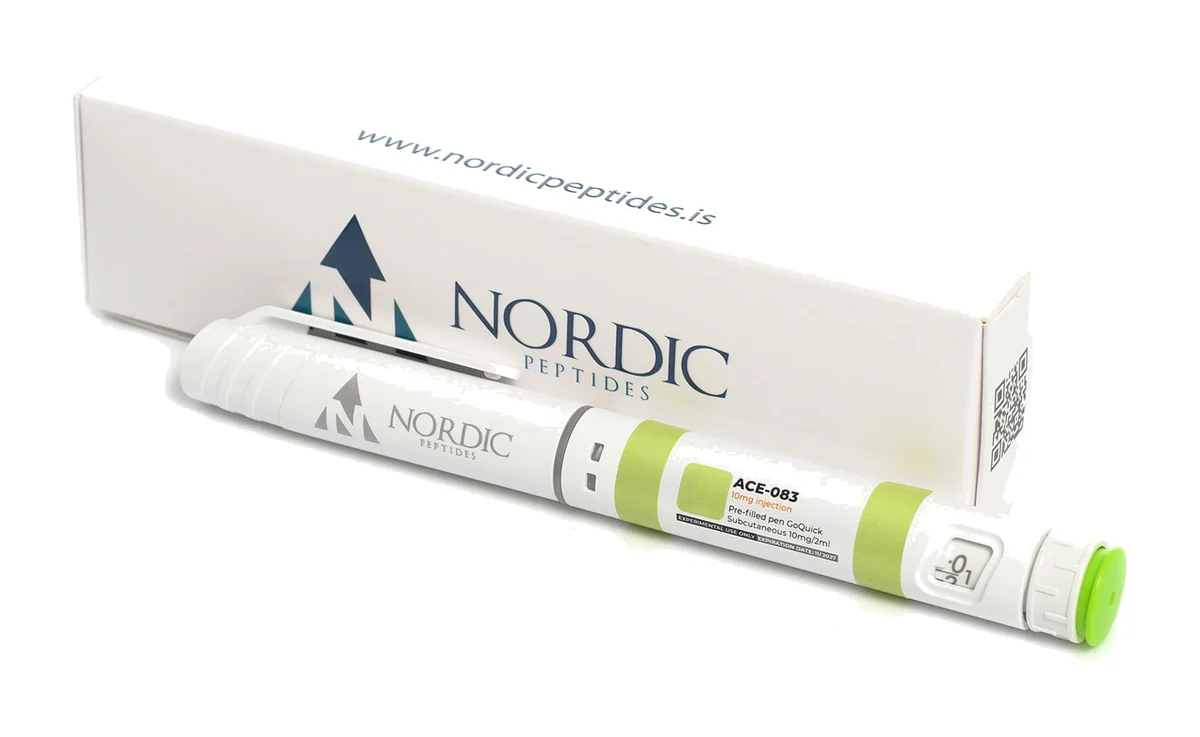 Performance
Myostatin inhibitors: ACE-083 went to phase 2, follistatin-344 never left the lab
One follistatin-based molecule grew muscle in two randomised phase 2 trials and still failed where it mattered. The other has only animal data, a black market, and a retinal case series. The published record, side by side.
26. September 2026 · 4 Min. Lesezeit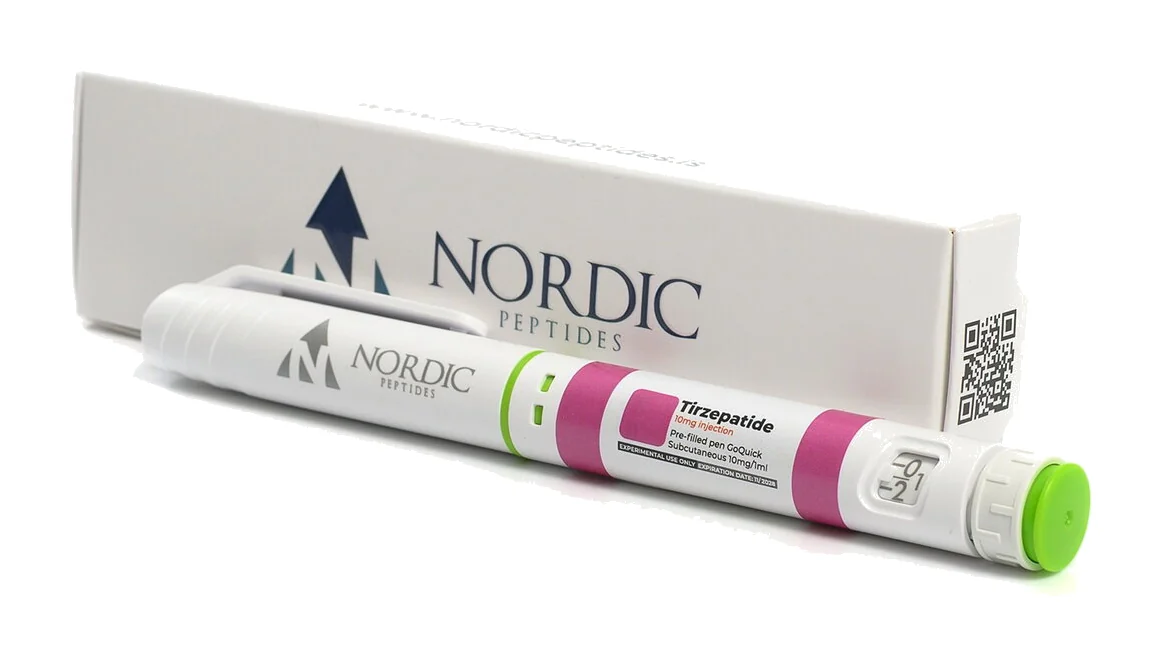 GLP-1
GLP-1Tirzepatide: what SURMOUNT-1 and SURMOUNT-2 actually showed
Two 72-week placebo-controlled trials, 3,477 participants between them — one in obesity without diabetes, one in obesity with type 2 diabetes. The published weight-loss figures, dose by dose, and where the data stop.
26. September 2026 · 3 Min. Lesezeit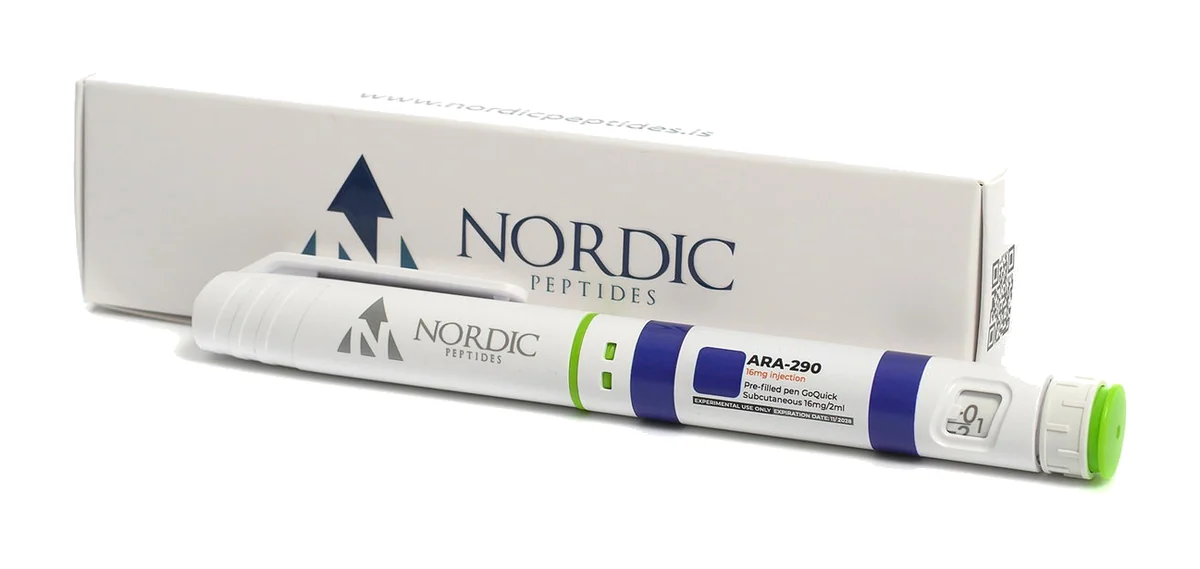 Repair
ARA-290 (cibinetide): four human trials, and the endpoints they missed
This is one of the very few compounds on the repair shelf with real randomised human data — four published trials, including a 64-subject phase 2b. Read them closely and the nerve-regeneration endpoint separates from placebo while the pain endpoint mostly does not.
4. September 2026 · 6 Min. Lesezeit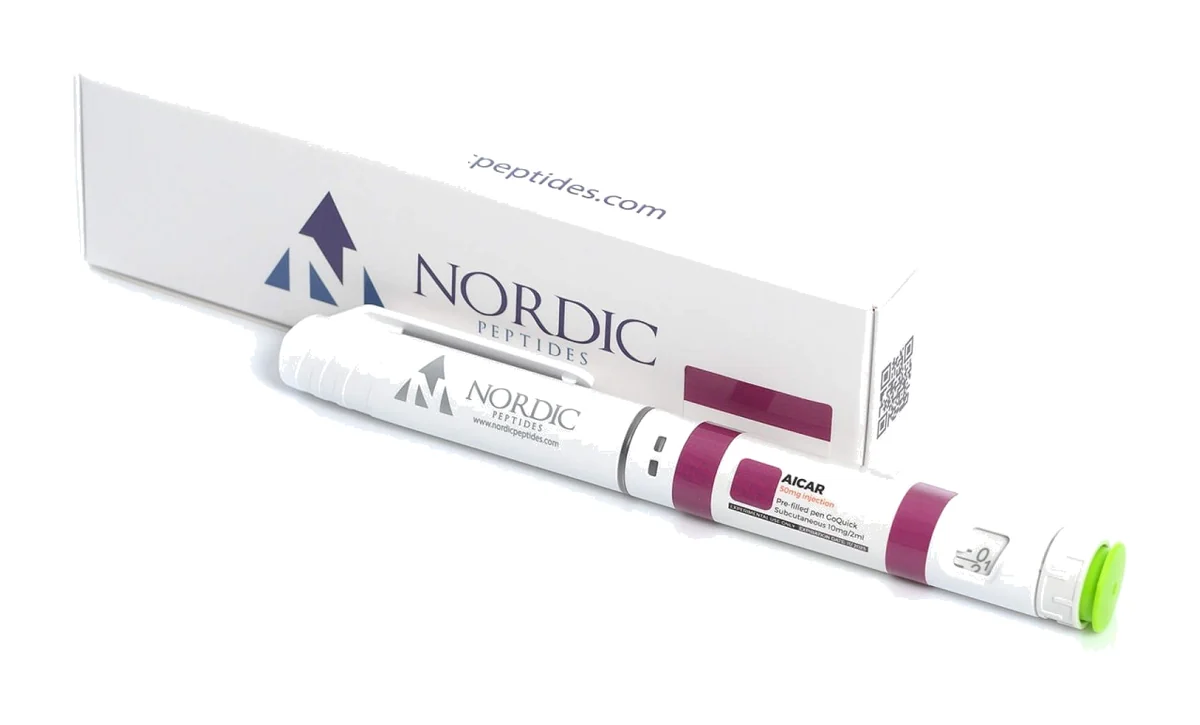 Performance
Exercise mimetics: what AICAR, SLU-PP-332 and 5-Amino-1MQ have actually done, and in what species
One of these three has been given to 3,080 humans — and the trial was stopped for futility. The other two have never been given to a human at all. All three are sold on the same phrase, and the phrase comes from one mouse treadmill experiment in 2008.
4. September 2026 · 6 Min. Lesezeit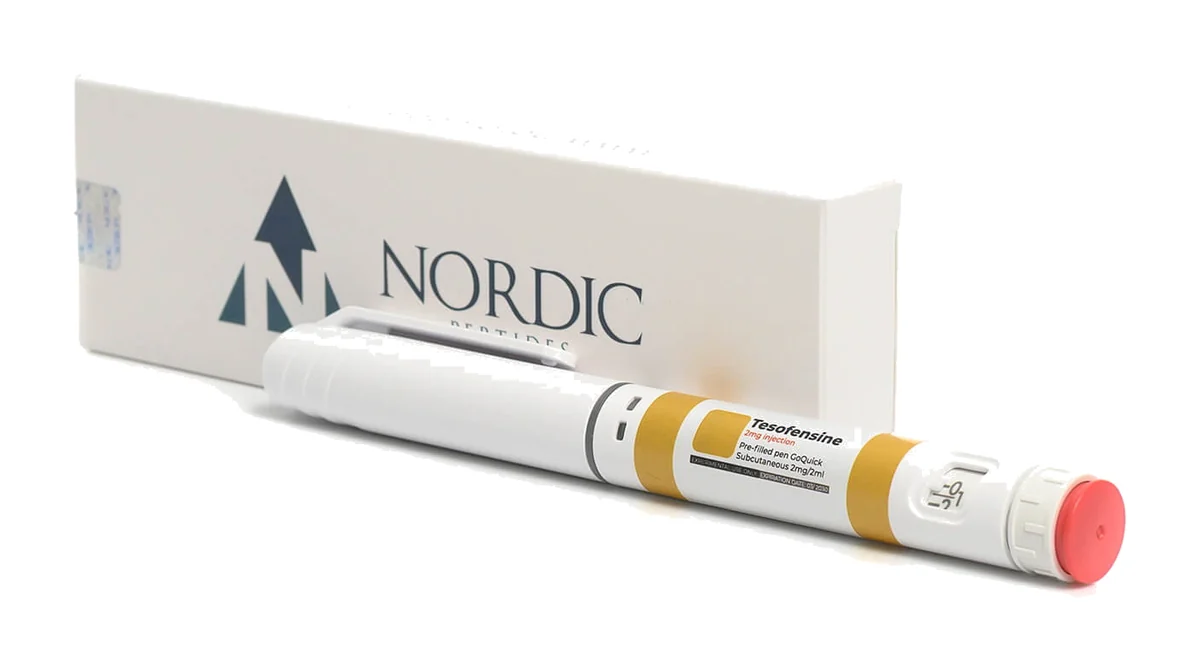 Metabolic
Tesofensine: a phase 2 result that never became a phase 3 paper
The 2008 Lancet trial is real, and the numbers in it are large. What followed is the part nobody quotes — an Expression of Concern from the journal, no published phase 3 anywhere in the indexed literature, and no approval in the EU or the US.
4. September 2026 · 6 Min. Lesezeit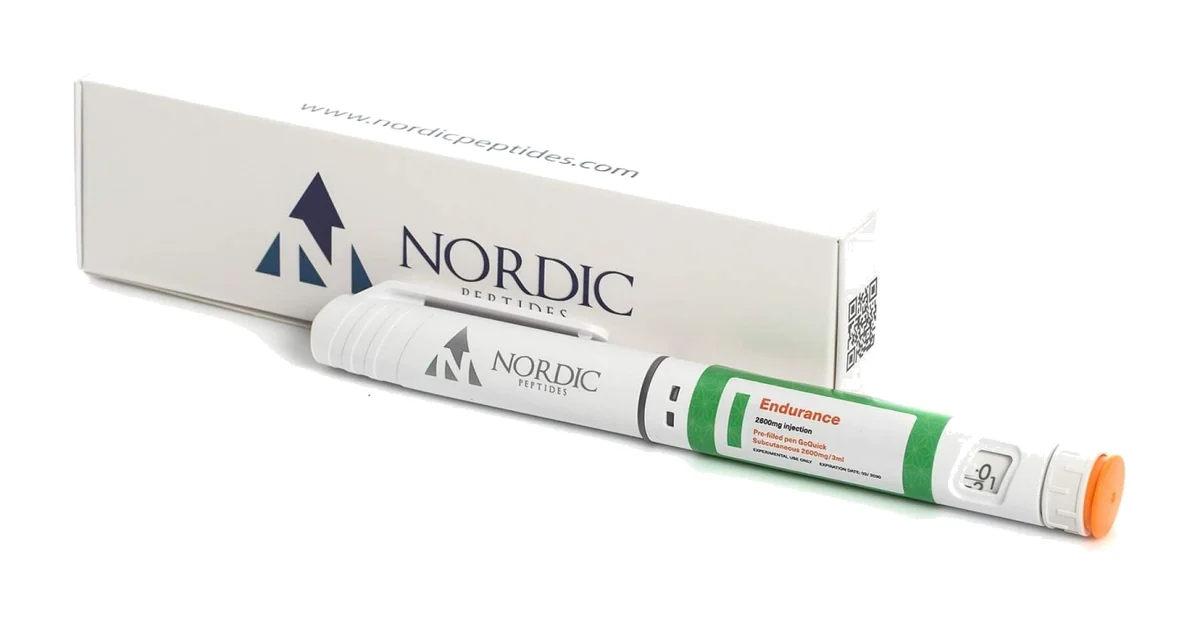 Longevity
Endurance, GlutaMB and the antioxidant pens: the labels add up, the trials are less flattering
Glutathione, NMN, resveratrol and methylene blue, in two pre-mixed pens. One component has a good human trial, one has four negative ones, and one is present at a dose thousands of times below the trial that reported a benefit. Ingredient by ingredient.
2. September 2026 · 5 Min. Lesezeit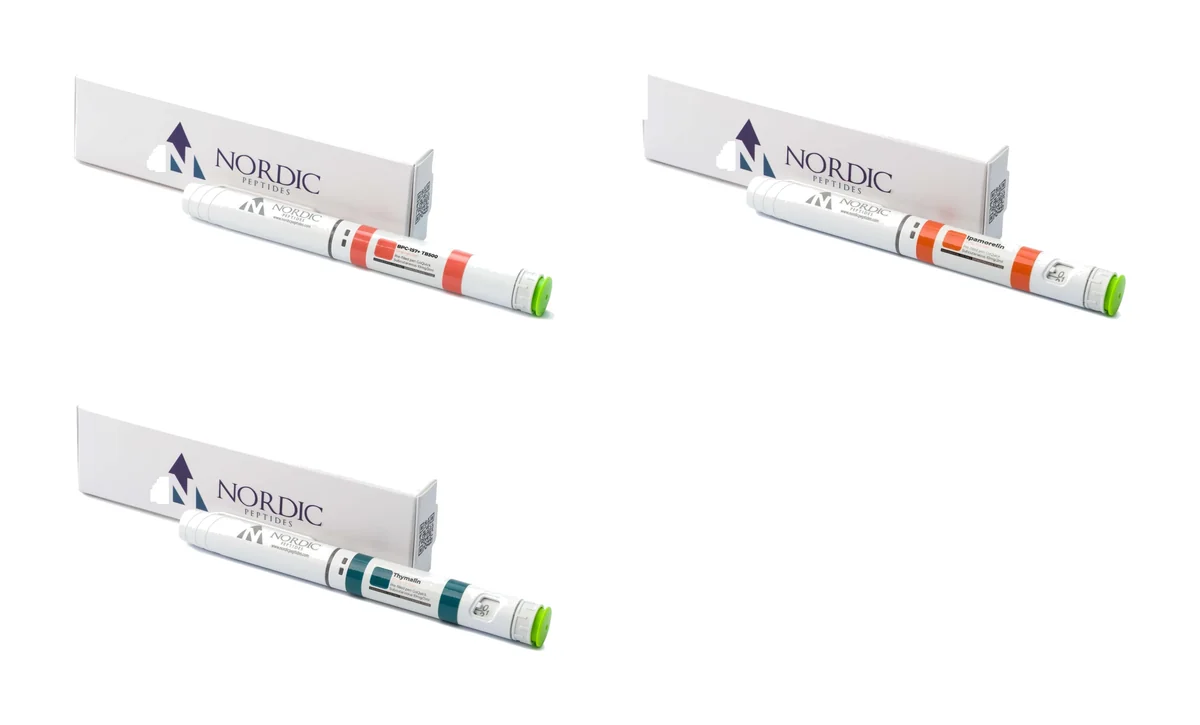 Programs
The four programs: what you are actually buying when you buy one
A program is the manufacturer's own multi-month protocol sold as the set of pens it calls for — priced below the sum of its parts, delivered on one fee. Here is what is in each of the four, and how strong the evidence under each component really is.
2. September 2026 · 4 Min. Lesezeit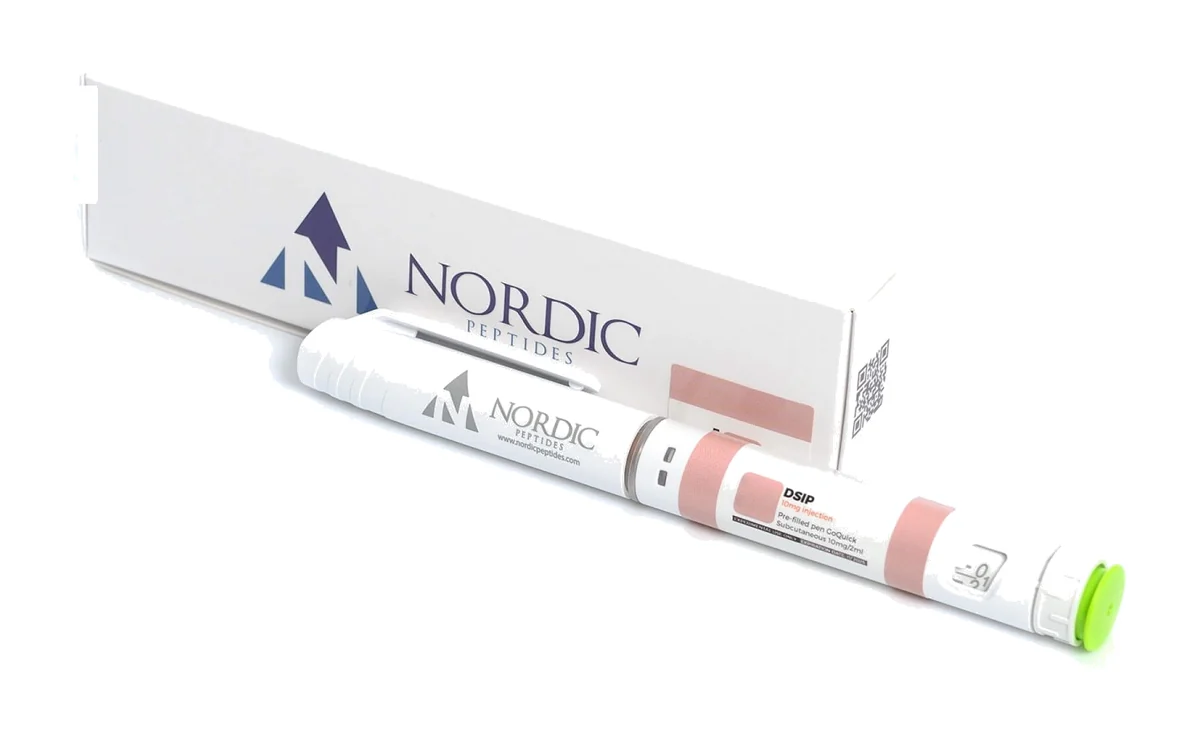 Sleep
SleepDSIP: named after an effect that later human work could not reproduce
Isolated from rabbit blood in 1977 and named for the EEG rhythm it enhanced. Four small human insomnia studies produced weak or null results, a 2009 anaesthesia study found it reduced delta rhythm, and no gene or receptor has ever been identified.
1. September 2026 · 3 Min. Lesezeit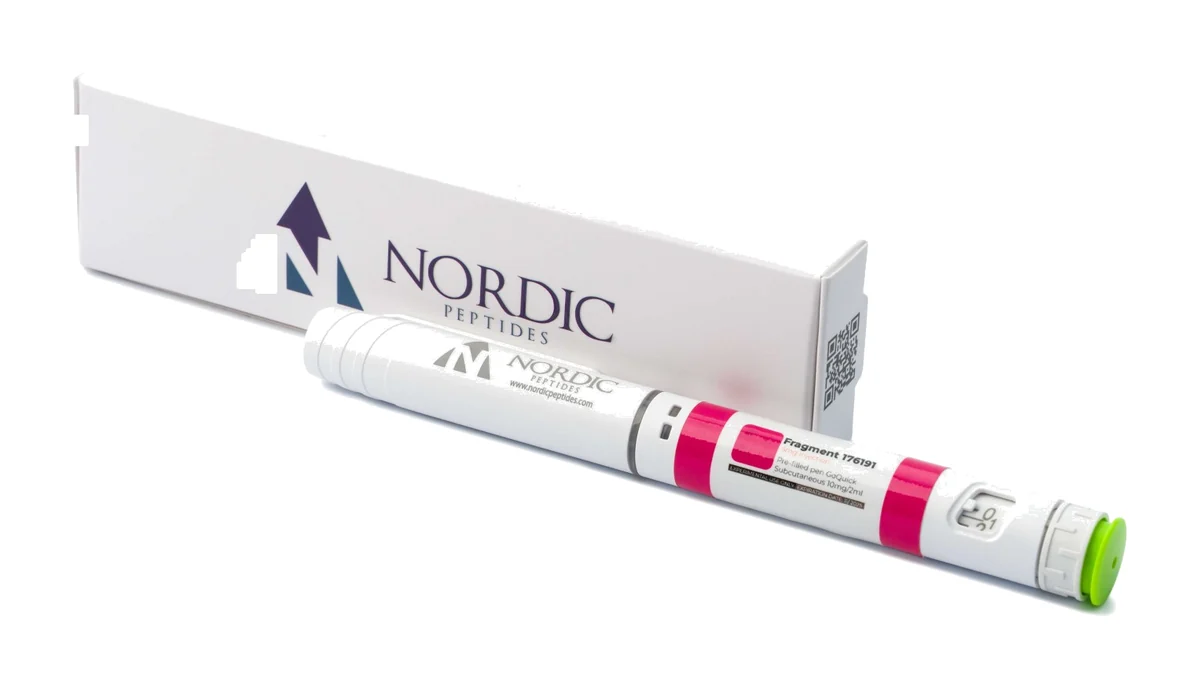 Metabolic
HGH Fragment 176-191 and AOD9604: a well-built mouse story with a missing human chapter
The idea was elegant — take growth hormone's fat-metabolism domain and leave the growth and insulin effects behind. It worked in obese mice, repeatedly. PubMed indexes 23 papers mentioning AOD9604 and not one randomised human trial.
1. September 2026 · 4 Min. Lesezeit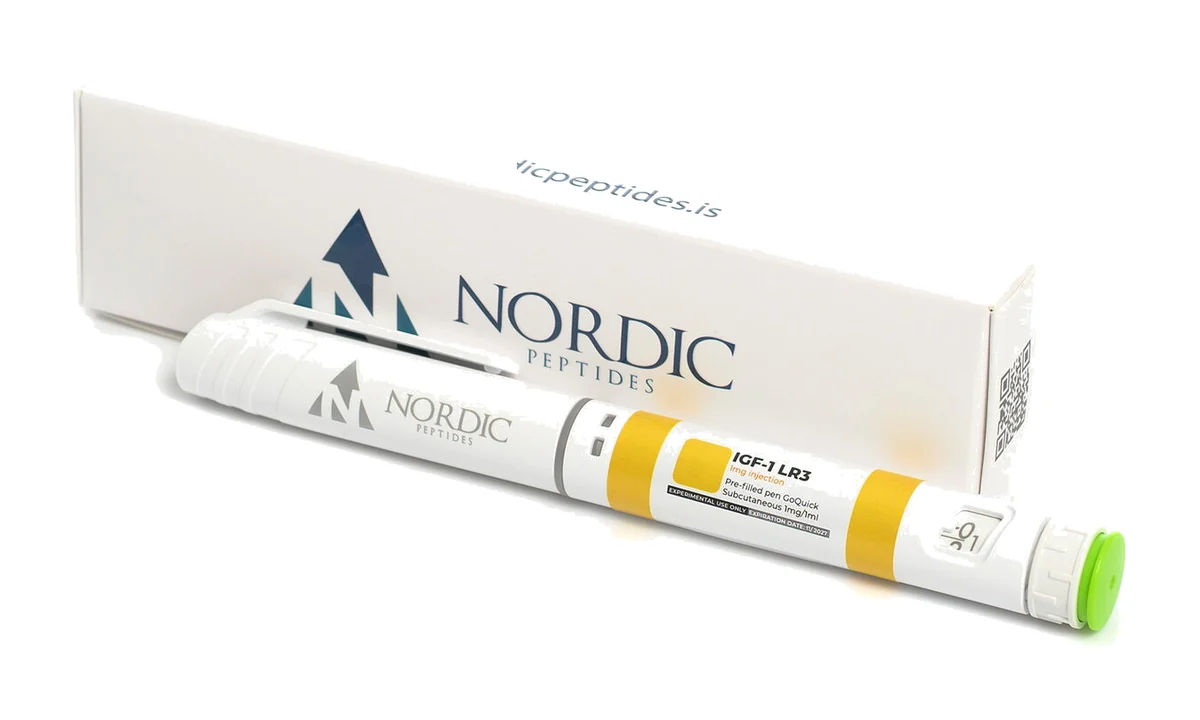 GH axis
IGF-1 LR3 and PEG MGF: two names, and what is actually published under each
Recombinant IGF-1 is an approved drug with a registry behind it. The LR3 analogue is a cell-culture reagent. PEG MGF has no administration study at all — the human MGF papers measure a gene switching on, not a peptide going in.
1. September 2026 · 4 Min. Lesezeit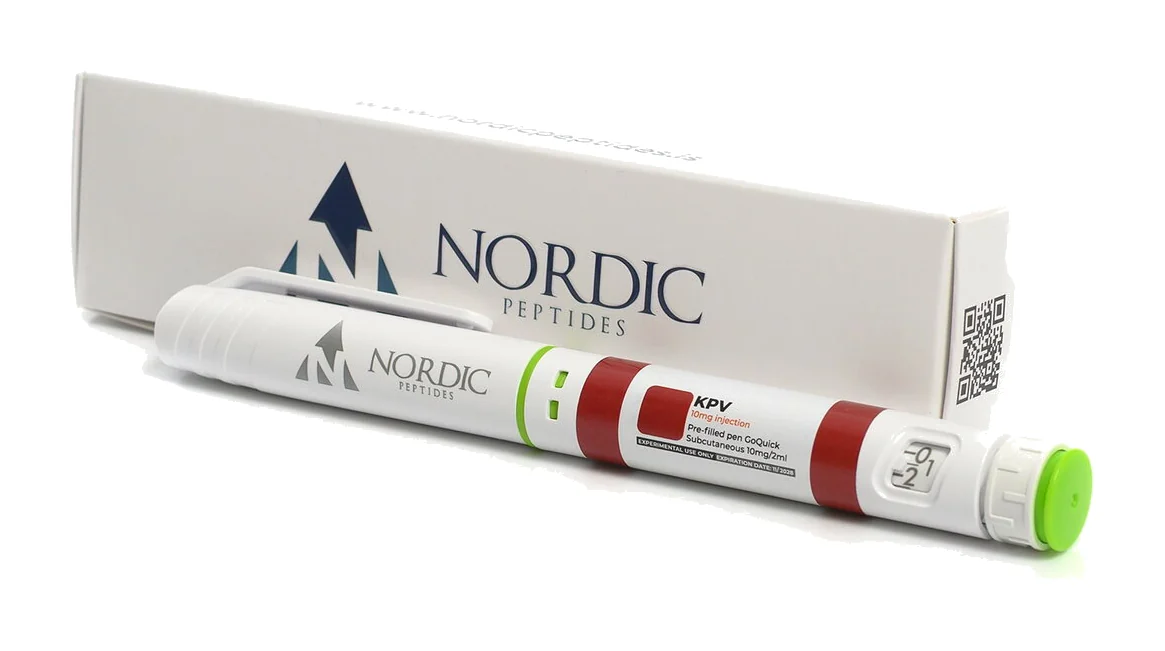 Repair
KPV: three amino acids off the end of α-MSH, and where its evidence actually sits
The mechanism is unusually well worked out — KPV enters cells through PepT1, a transporter that is upregulated exactly where gut inflammation is. Every efficacy result is a mouse or a cell line, and the colitis work was oral, not injected.
1. September 2026 · 4 Min. Lesezeit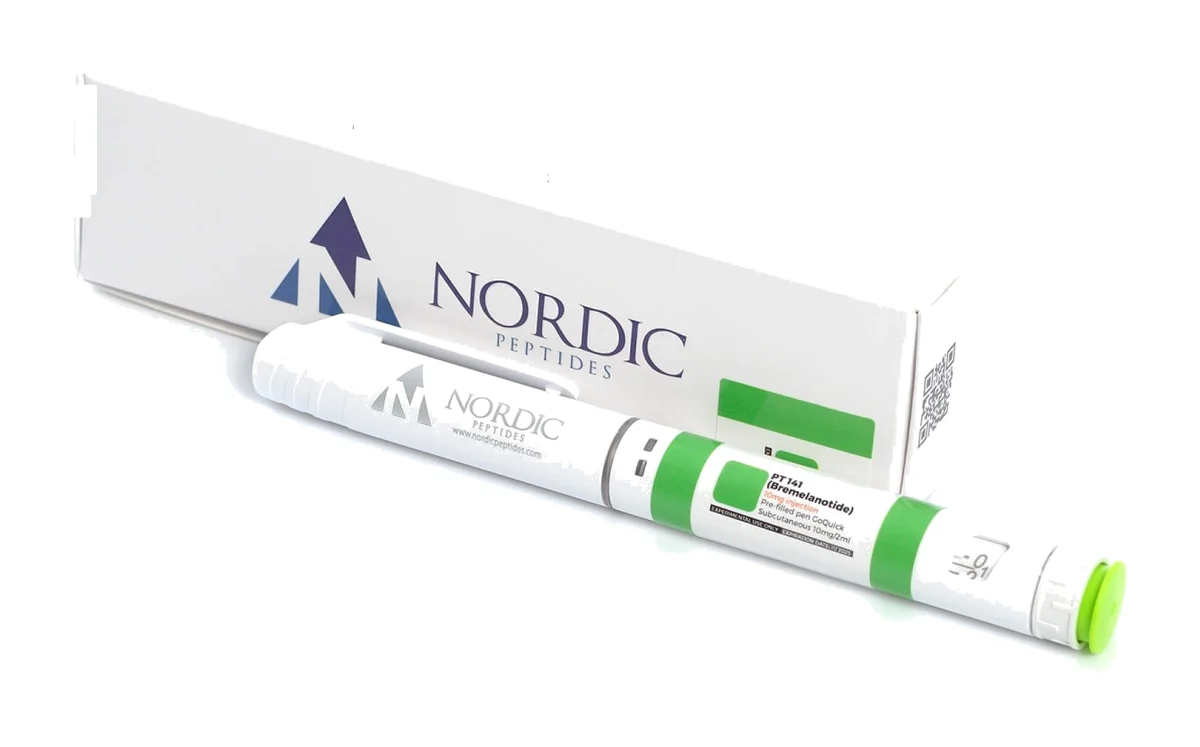 Hormonal
PT-141 (bremelanotide): the melanocortin that got an approval — for one indication only
Two phase 3 trials, an FDA-approved product and a published critique of its own endpoints. This is the rare compound where the human data exists, and where reading it carefully changes what you can claim.
1. September 2026 · 3 Min. Lesezeit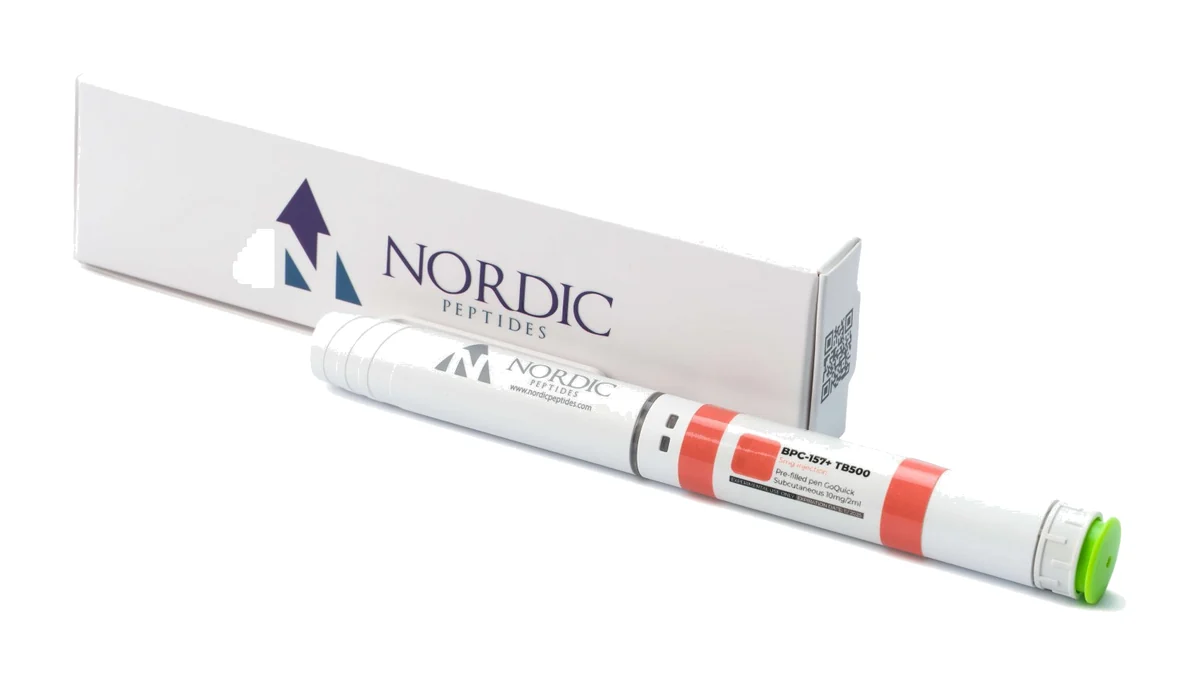 Repair
The recovery stack: BPC-157 and TB-500, and why they ship in one pen
The most requested pairing in the repair category, in a single pre-filled pen. What each peptide is doing, what the published work actually reports, and why laboratories keep ordering the two together.
27. August 2026 · 4 Min. Lesezeit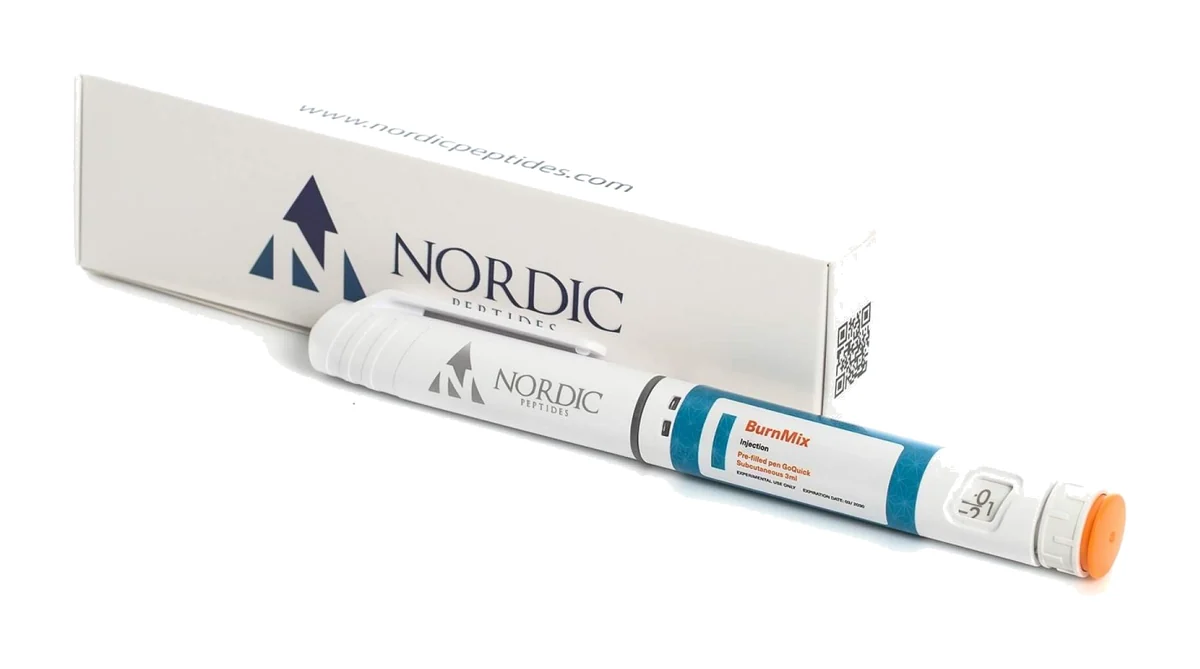 Metabolic
BurnMix and Lipobalance: the metabolic pens for people who want more than one lever
Two multi-pathway fat-loss formulations, opened up compound by compound. What each ingredient is there to do, which ones have human data, which ones do not, and where they sit next to the GLP-1 shelf.
27. August 2026 · 4 Min. LesezeitBuying guideHow to buy research peptides in Europe: the ten-minute checklist
Six checks that separate a serious European peptide supplier from a drop-shipper with a nice logo — and how to run them on any shop, including this one, before you spend anything.
27. August 2026 · 4 Min. Lesezeit Ordering
From checkout to doorstep: how a peptide order actually moves inside the EU
Same-day processing, tracked delivery in about four days, a plain unbranded box, and one flat fee per order. Here is every step of a European peptide delivery, including what happens when it goes wrong.
27. August 2026 · 4 Min. Lesezeit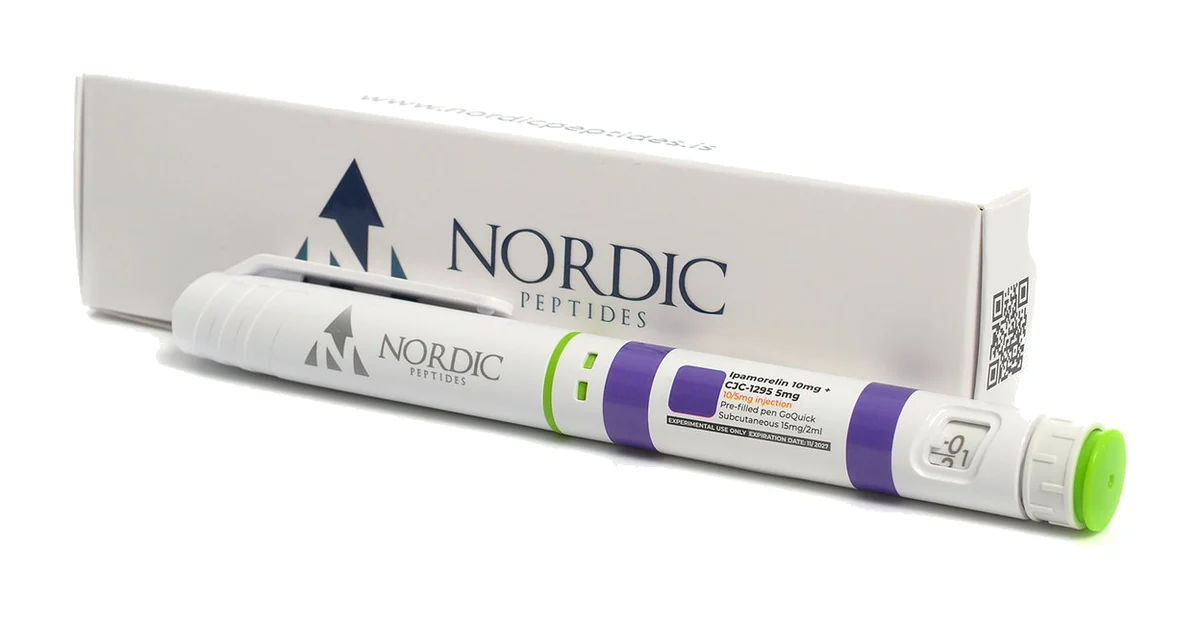 GH axis
Ipamorelin and CJC-1295: the GH-axis pairing labs ask for by name
Two doors into the same output, in one pre-filled pen. Why this combination became the default in growth-hormone research, what the human data covers, and the label detail almost every shop gets wrong.
27. August 2026 · 4 Min. Lesezeit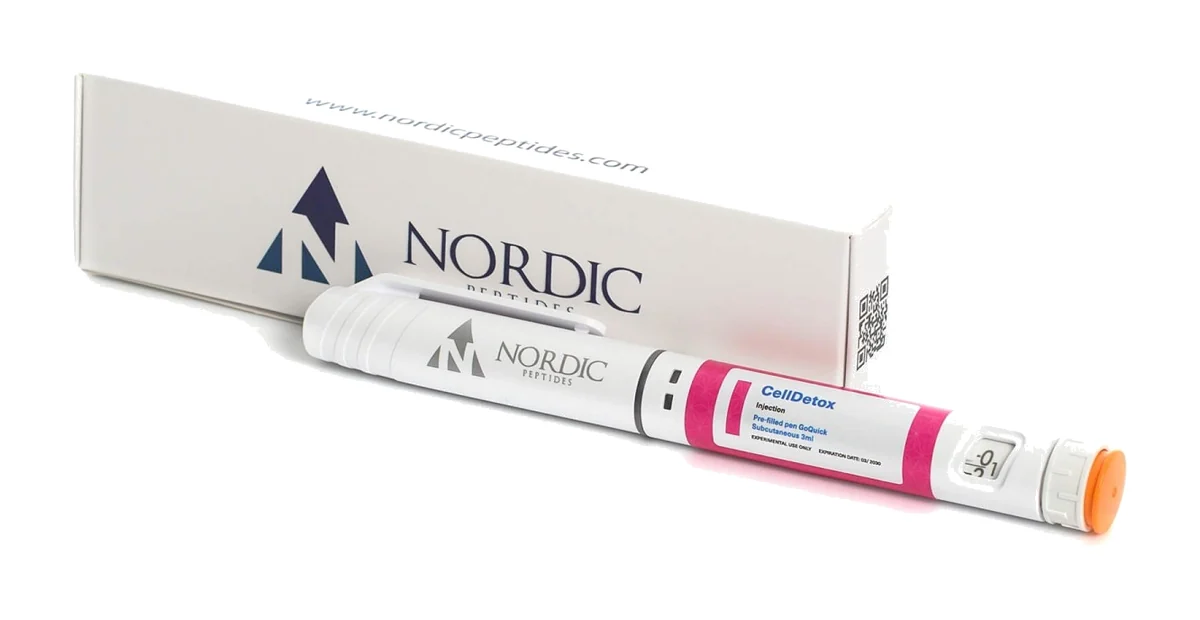 Longevity
The longevity pens: CellDetox and Everlong, and what is really inside them
Senolytics, exosomes, NAD+, glutathione, resveratrol — the two most advanced formulations in our catalog, ingredient by ingredient, with the research that supports each one and the research that does not exist yet.
27. August 2026 · 4 Min. LesezeitPaymentsPaying with USDT, USDC or a bank transfer: how checkout works here
Two payment rails, no cards, no third-party checkout script. What each one costs you in time, why the crypto amount has to be exact, and which one to pick if you want the parcel moving today.
27. August 2026 · 4 Min. Lesezeit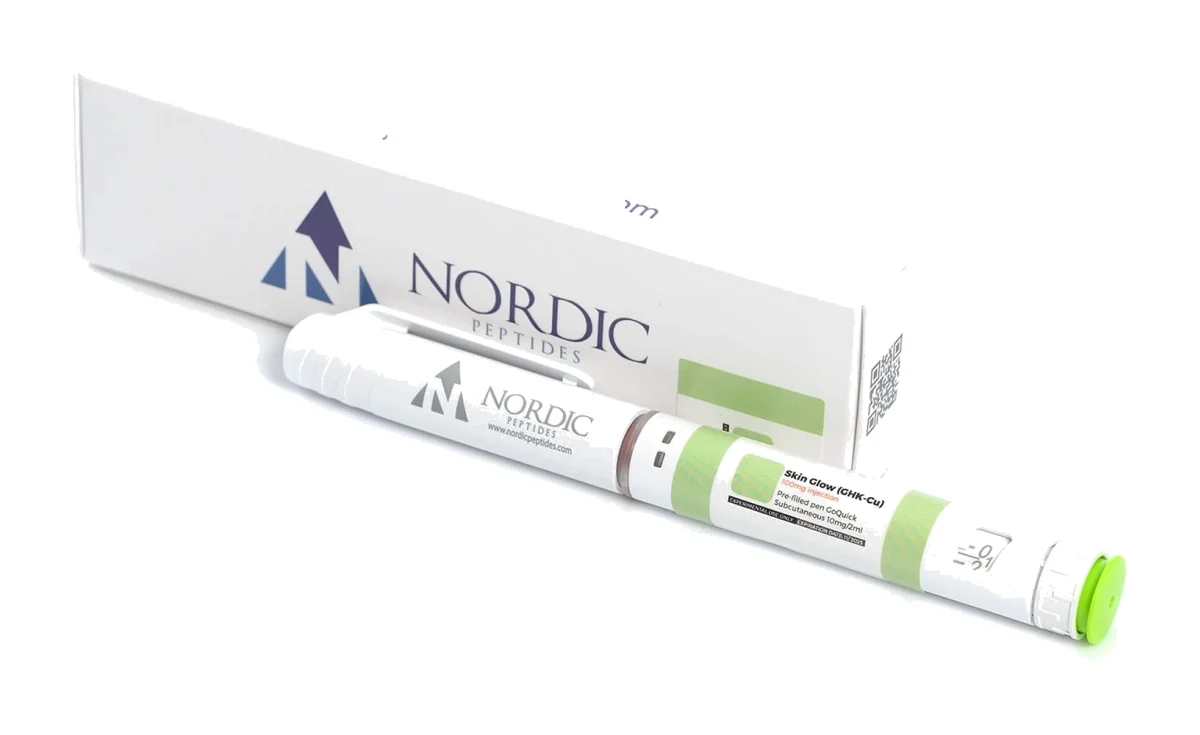 Skin
SkinThe skin shelf: GHK-Cu and Radiance, copper versus copper-free
One peptide with fifty years of literature, one modern complex built without copper, and a third pen aimed at blemish-prone skin. What is in each, which claims are backed, and how to choose between them.
27. August 2026 · 4 Min. Lesezeit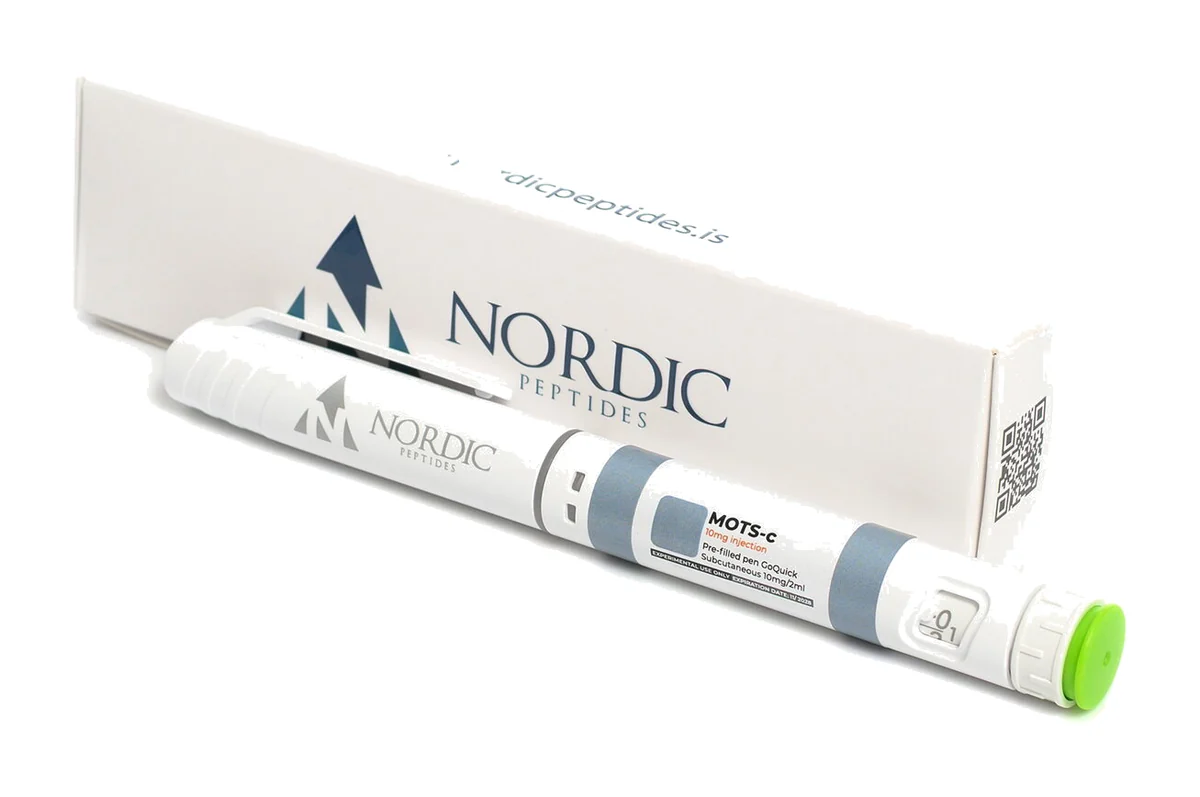 Catalog guide
Four departments, twelve shelves: a plain map of the catalog
Peptides, performance compounds, SARMs and programs — what each shelf is actually for, which compounds sit on it, and which article to read before you order from it.
27. August 2026 · 3 Min. Lesezeit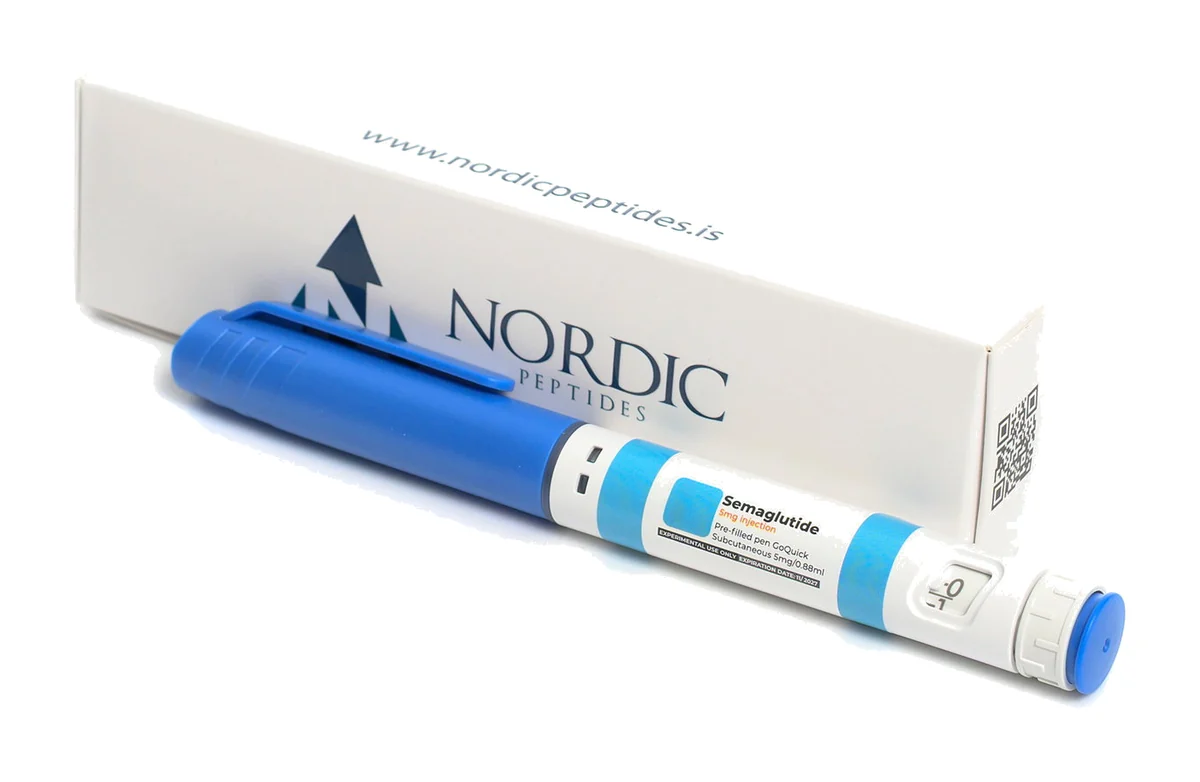 Manufacturers
Nordic Peptides, Med Care Pharma, Marvel Nutrition, PharmaRx: who makes what we ship
Four manufacturers, four very different houses. Which one made the box that arrives, what each of them publishes about their own material, and where each is honestly weaker.
27. August 2026 · 3 Min. Lesezeit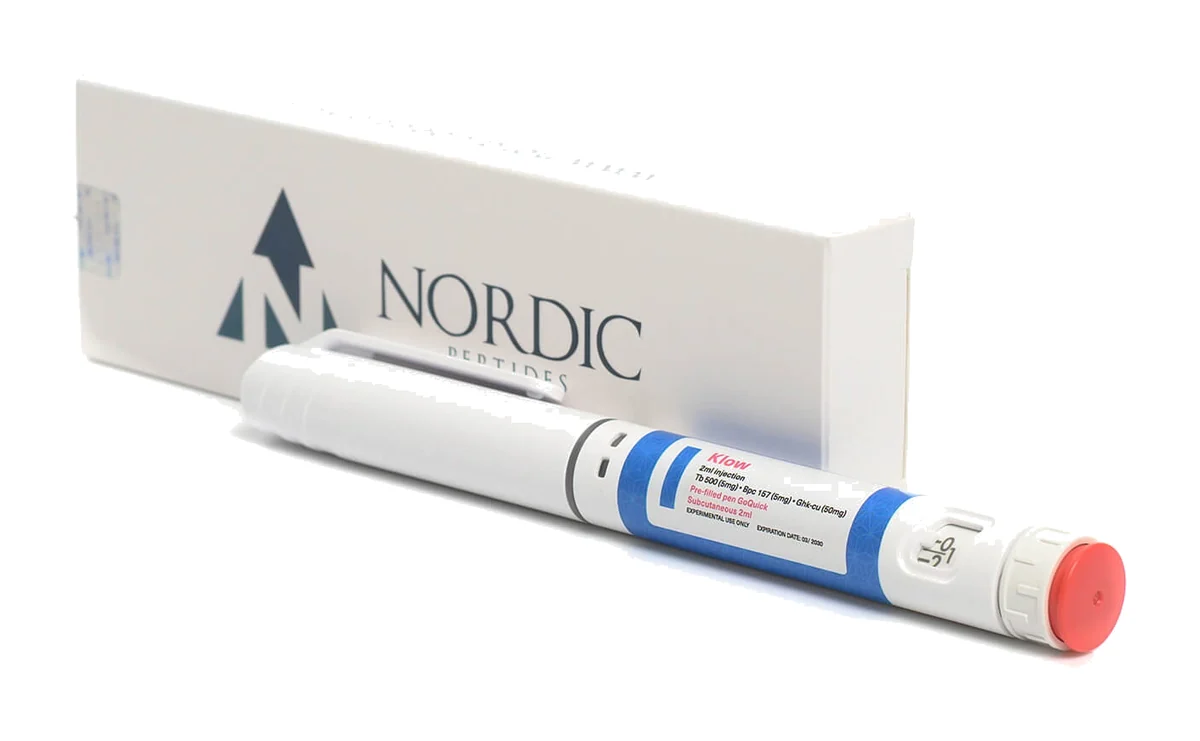 Blends
Blends: when a combined pen is the right call, and when it costs you the answer
Klow, MitoBoost, Retabolic — three compounds in one pen, at a lower price than buying the parts. Here is the honest trade you are making when you take it.
23. August 2026 · 2 Min. LesezeitSkin & repairGHK-Cu: the copper peptide with fifty years of literature behind it
Isolated from human plasma in 1973, studied continuously since, and one of the few compounds in this catalog where the human evidence is topical, comparative and reasonably old.
23. August 2026 · 2 Min. Lesezeit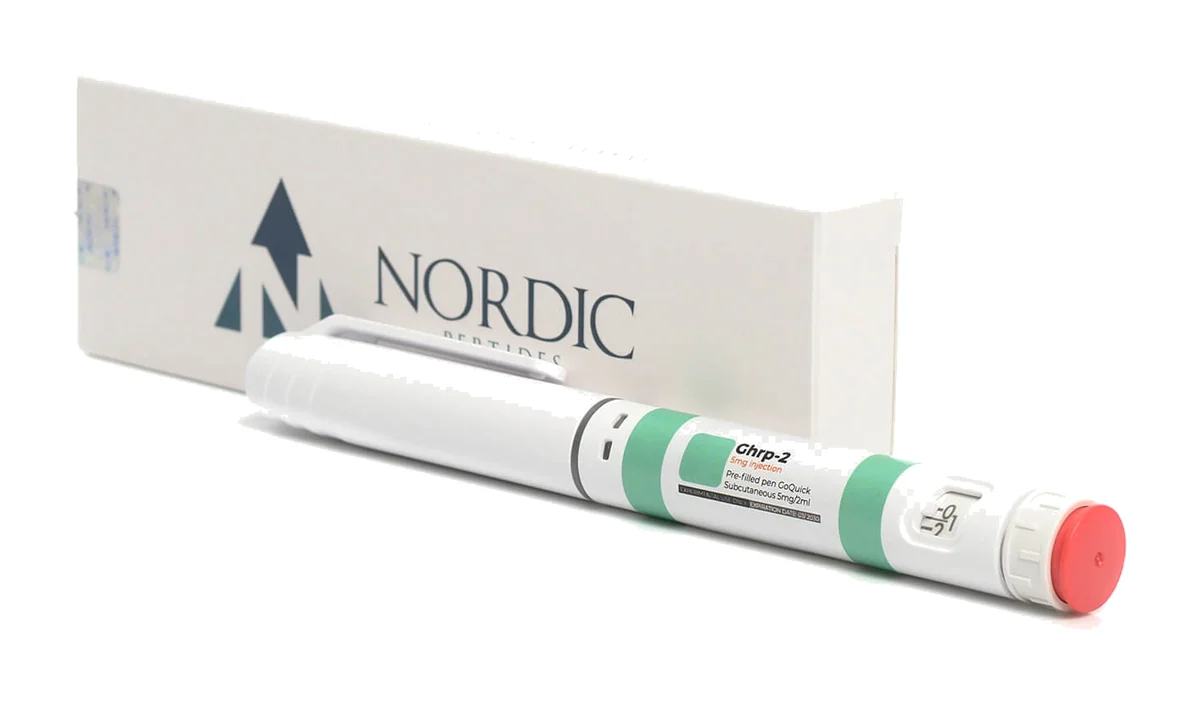 GH axis
GHRP-2, GHRP-6 or ipamorelin: three ghrelin-receptor peptides, three different side profiles
All three hit the same receptor and all three release growth hormone. What separates them is everything else they do on the way — appetite, cortisol, prolactin.
23. August 2026 · 3 Min. LesezeitGLP-1The GLP-1 line, compared: semaglutide, tirzepatide, retatrutide
One receptor, two, or three. Here is the whole line side by side — the trial numbers, the trade-offs and which pen sits where in our catalog.
23. August 2026 · 3 Min. LesezeitQualitätSo lesen Sie ein Analysezertifikat (und so erkennen Sie ein gefälschtes)
Ein COA ist ein Dokument über eine Charge, an einem Tag, aus einem Labor. Das meiste, was in diesem Markt als „laborgeprüft“ kursiert, erfüllt diesen Satz an mindestens zwei Stellen nicht.
23. August 2026 · 3 Min. LesezeitHandlingWhy everything in our peptide line ships as a pen, not a vial
Vials are cheaper to buy and cheaper to sell. They are also where the errors live. Here is the measured difference, and why we made the call the way we did.
23. August 2026 · 3 Min. LesezeitGLP-1Retatrutide 6, 12, 20 oder 30 mg: welcher Pen, und warum es vier davon gibt
Die vier Stärken sind keine vier verschiedenen Produkte. Sie orientieren sich daran, wie die Phase-2-Studie eskaliert wurde – und daran, wie viel Material ein bestimmtes Protokoll tatsächlich verbraucht.
23. August 2026 · 3 Min. Lesezeit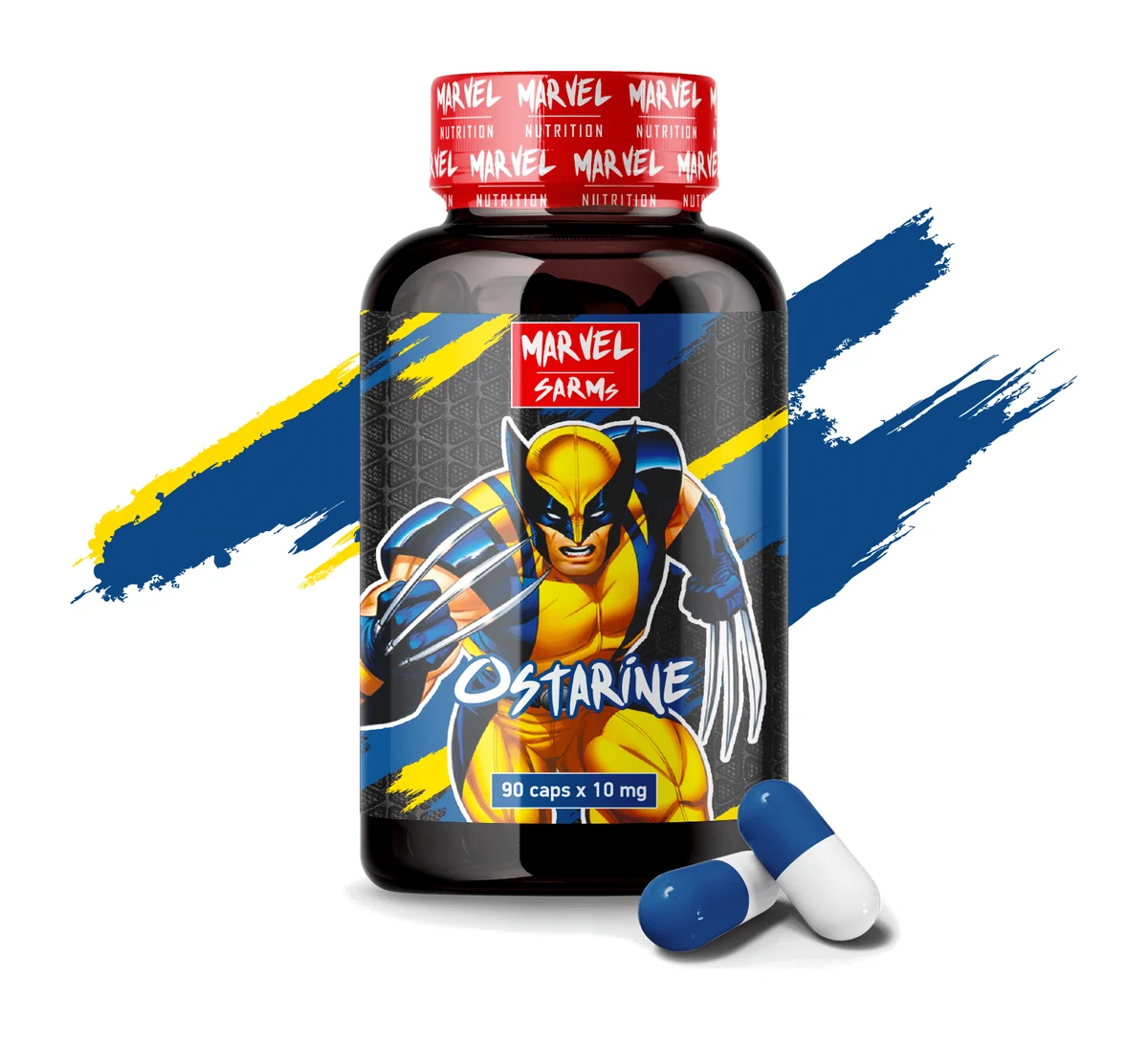 SARMs
SARMsSARMs: the phase 3 exists, and it missed its endpoints
This class is usually sold with the word 'clinical' attached. There is real clinical work behind it — two phase 3 trials — and knowing what they found is the difference between an informed buyer and a marketed-to one.
23. August 2026 · 3 Min. Lesezeit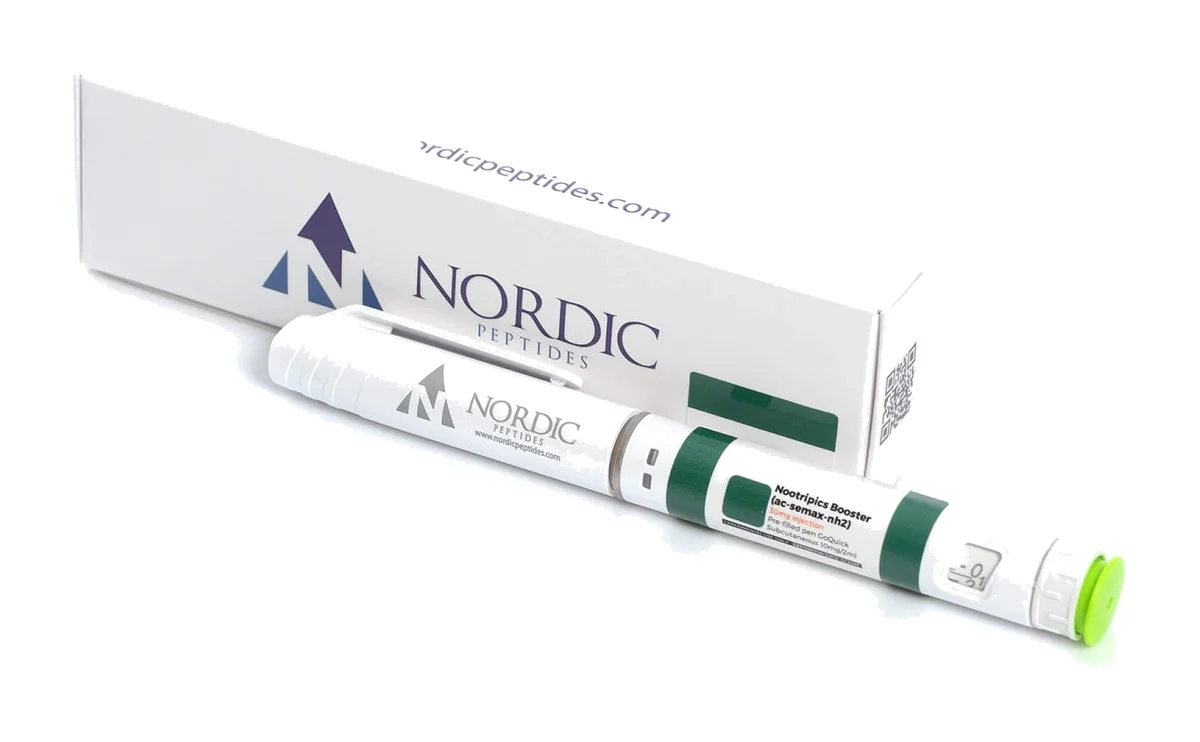 Neuro
NeuroSemax and Selank: two Russian peptides with a literature problem
Both are approved medicines in Russia. Both have decades of clinical use behind them. Almost none of that work is readable in English, and that gap is the honest headline.
23. August 2026 · 3 Min. LesezeitHandlingWhat actually degrades a peptide (and why we don't ship on ice)
The cold-chain theatre in this market is mostly theatre. Here is what the manufacturers themselves specify, what really damages a peptide, and the one product in our catalog that is an exception.
23. August 2026 · 3 Min. Lesezeit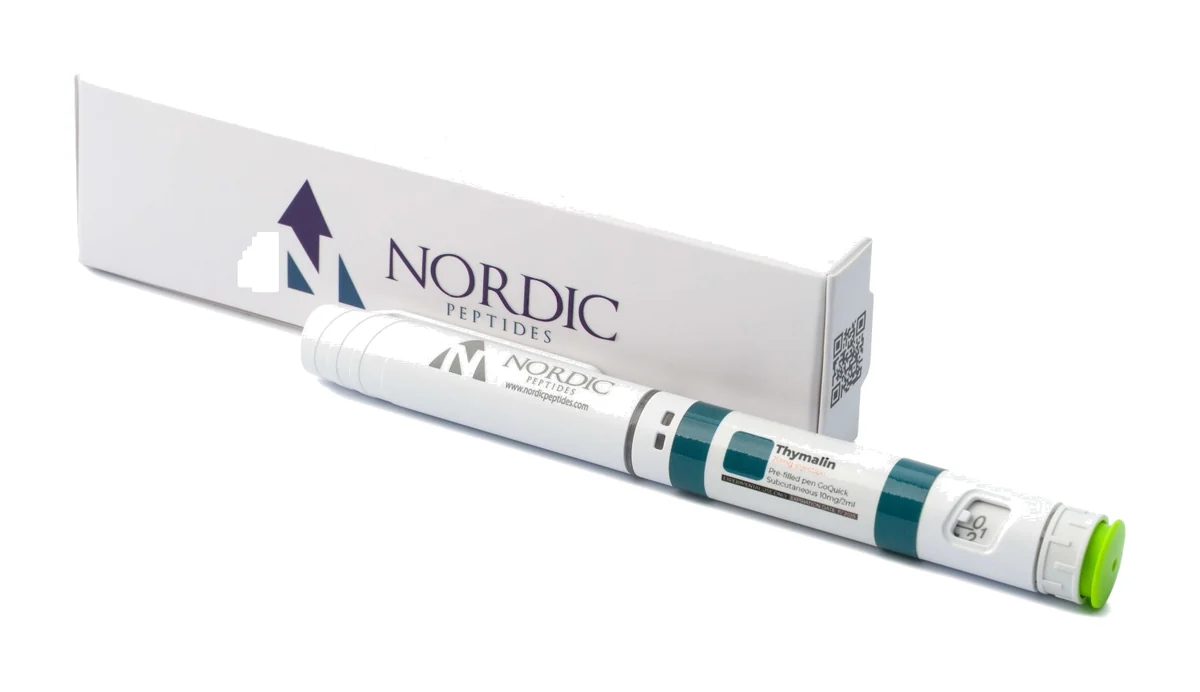 Bioregulators
Thymalin and the Khavinson bioregulators: forty years of data from one institute
The longest human follow-up of any compound in this catalog — 266 elderly patients over six to eight years — and the reason mainstream medicine still has not acted on it.
23. August 2026 · 2 Min. LesezeitRegenerationBPC-157: Was die Evidenz tatsächlich aussagt
Fünfunddreißig präklinische Studien, eine klinische Studie. Dieses Verhältnis beschreibt die Lage bei BPC-157 im Kern: eine umfangreiche und weitgehend konsistente Tierliteratur, aber kaum Humandaten.
21. August 2026 · 3 Min. LesezeitGLP-1Retatrutide: Was die Phase-2-Daten tatsächlich zeigen
Ein Dreifach-Rezeptoragonist, der die bislang größten veröffentlichten Gewichtsreduktionen für ein einzelnes Adipositas-Medikament erzielte — 24,2% nach 48 Wochen. Was die Studie gemessen hat und was nicht.
21. August 2026 · 4 Min. LesezeitGLP-1Tirzepatide vs. Semaglutide: die erste direkte Vergleichsstudie
Jahrelang wurde der Vergleich über getrennte Studien hinweg gezogen – das ist kein echter Vergleich. 2025 wurden die beiden Substanzen schließlich in derselben Studie gegeneinander geprüft: 751 Teilnehmende, 72 Wochen, ein Protokoll.
21. August 2026 · 3 Min. Lesezeit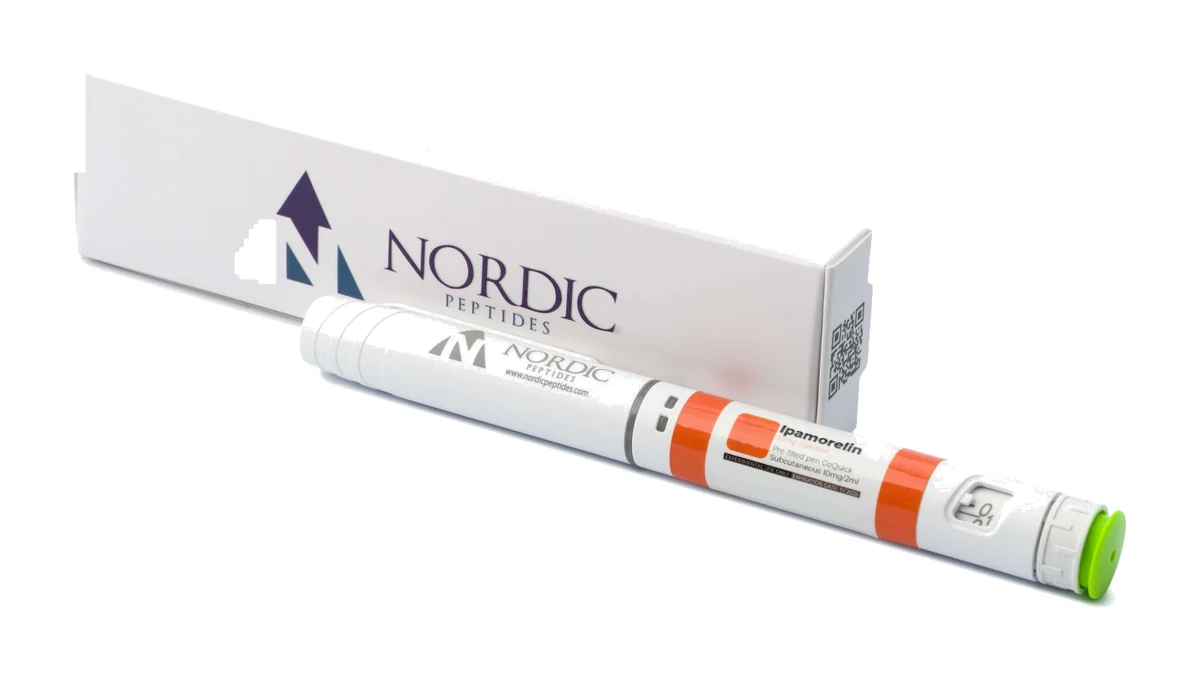 GH axis
CJC-1295 and ipamorelin: two mechanisms, one very common confusion
The pairing is the most requested combination in the GH-axis line. It is also the one where the label on the vial and the study people quote are frequently not the same molecule.
19. August 2026 · 3 Min. LesezeitMetabolicMOTS-c: the peptide your mitochondria write themselves
A 16-amino-acid peptide encoded inside mitochondrial DNA, released by exercise, and falling with age. The mechanism is elegant and well documented — in mice.
19. August 2026 · 2 Min. Lesezeit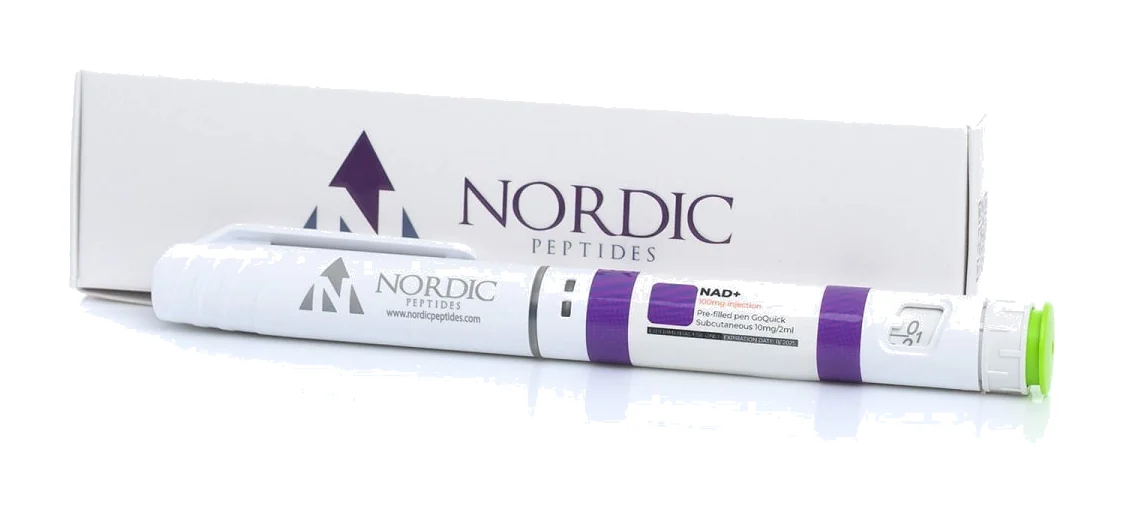 Metabolic
NAD+, NMN and nicotinamide: three different molecules, one marketing word
The NAD category is sold as if it were one product. It is not — and the one human randomised trial in the field tested a specific precursor, at a specific dose, in a specific population.
19. August 2026 · 2 Min. LesezeitGLP-1Semaglutide: what the STEP programme showed — and what happened when people stopped
14.9% at 68 weeks made semaglutide famous. The trial extension, which gets far less attention, is the part that explains what the drug actually does.
19. August 2026 · 3 Min. Lesezeit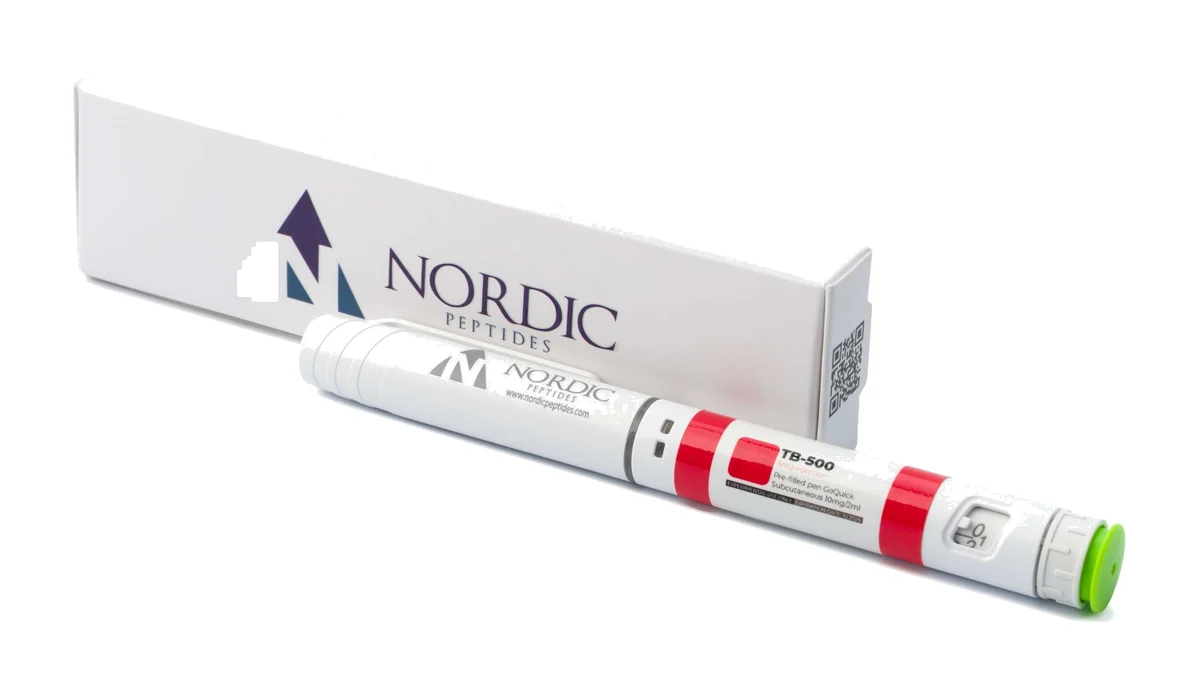 Regeneration
TB-500 und Thymosin β4: Die klinischen Studien sind real, aber es geht um Augentropfen
Thymosin β4 wurde in randomisierten, placebokontrollierten Studien am Menschen untersucht – darunter eine Phase-3-Studie. Fast nichts davon betrifft das injizierbare Fragment, das als TB-500 verkauft wird, und genau dieser Unterschied ist der Kern der Sache.
19. August 2026 · 3 Min. Lesezeit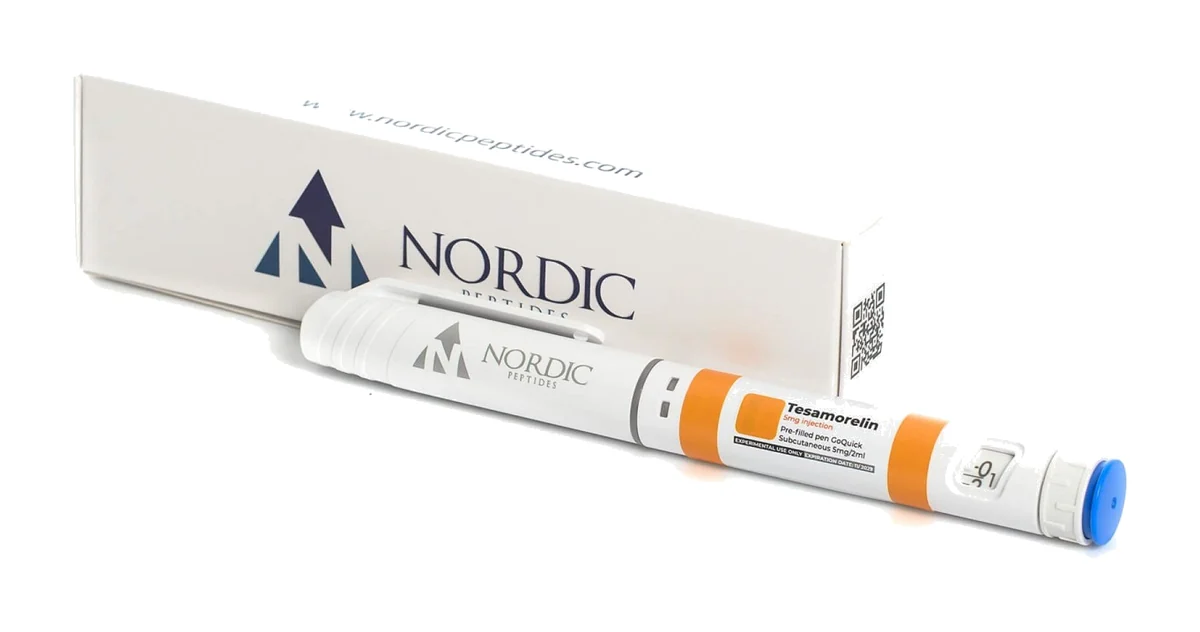 GH axis
Tesamorelin: the one growth hormone peptide with an approval behind it
Of every GHRH-class compound sold as research material, exactly one has been through phase 3 and cleared by the FDA. Here is what that trial measured — and why the indication is narrower than the internet suggests.
19. August 2026 · 3 Min. Lesezeit